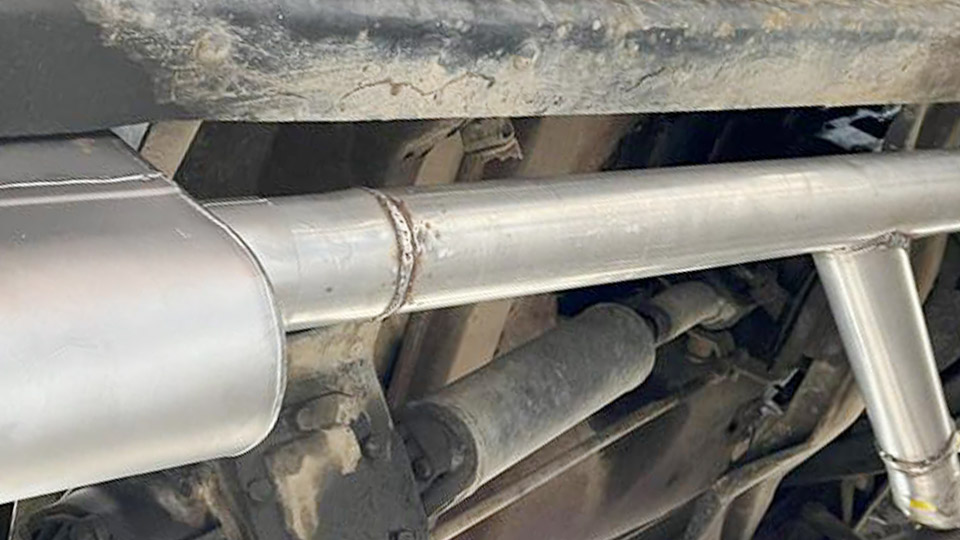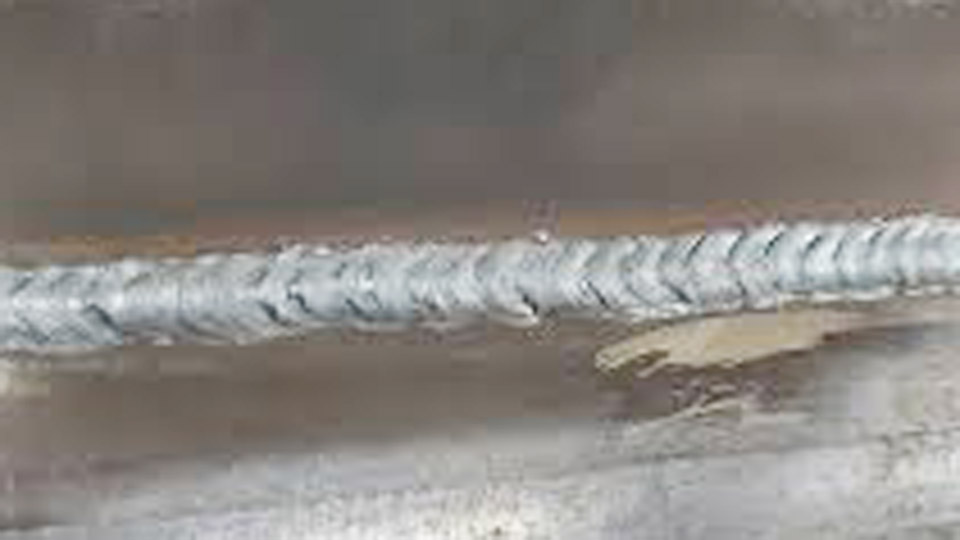
Weld quality cannot be judged by appearance alone. Even a weld that looks clean on the surface may contain internal defects such as cracks, porosity, lack of fusion, or inclusions that can compromise strength and safety. That is where NDT testing of welds becomes essential.
What Is NDT Testing of Welds? NDT, or Non-Destructive Testing, is a group of inspection methods used to evaluate weld integrity without cutting, breaking, or damaging the welded component.
It plays a critical role in fabrication, construction, pipeline, pressure vessel, and structural welding applications where weld failure can lead to costly repairs, downtime, or safety risks.
Understanding how NDT works helps welders, inspectors, and fabricators verify weld quality, meet code requirements, and identify defects before they become serious problems.
The following sections explain the most common NDT methods, how they are used, and what they reveal about weld performance.
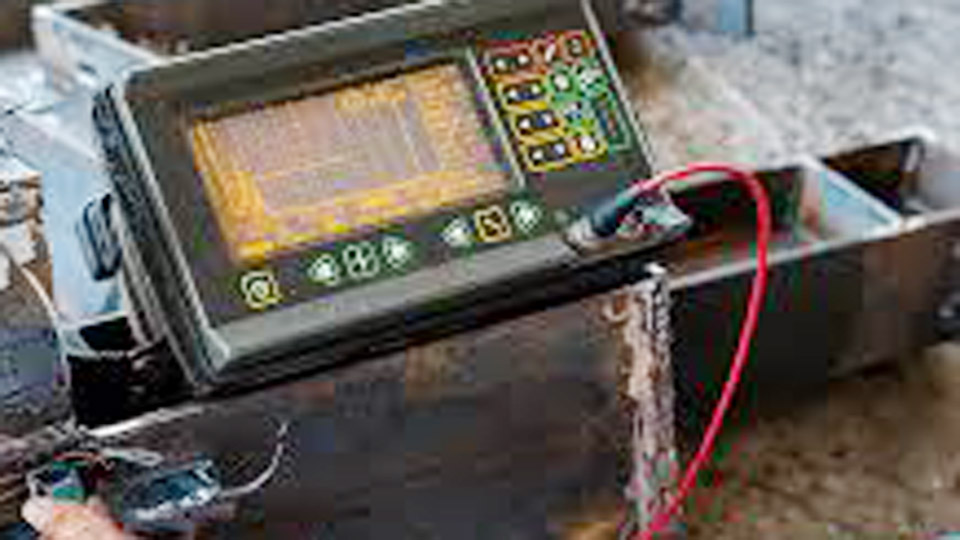
Image by meritusgas
Why NDT Testing of Welds Actually Matters in the Real World
A good-looking bead can hide serious issues underneath. I’ve seen welds on load-bearing members pass a quick visual but fail later under stress because of internal voids or incomplete penetration. In pressure piping or structural work, that can lead to leaks, cracks propagating under fatigue, or outright failure.
NDT gives you confidence. It verifies penetration, fusion, and freedom from defects that visual inspection alone can’t catch. On the shop floor, it reduces costly rework, helps meet code requirements (think AWS, ASME, or local building standards), and protects your reputation.
For DIY folks and students, learning these methods builds better technique from the start. For pros, it’s often required for certification or customer specs.
Visual Inspection: The First and Most Important Step
What it is
Visual Testing (VT) is the baseline for any NDT program. You examine the weld surface with the naked eye or simple tools like a magnifying glass, flashlight, or fillet weld gauge.
How it works
You look for surface defects: cracks, undercut, overlap, porosity, incomplete fusion at the toes, excessive reinforcement, or underfill. Good lighting (at least 100 foot-candles in the shop) and a clean surface are essential. I always clean the weld with a wire brush or grinder first to remove slag and spatter.
When and why to use it
Use VT on every single weld, right after it cools and is cleaned. It’s quick, cheap, and catches obvious problems early. In my experience, catching a bad start/stop crater or heavy undercut here prevents bigger issues downstream.
Practical tips from the shop
- Check before, during, and after welding. Look at joint fit-up, root pass, and final cap.
- Use a 10x magnifier for fine cracks.
- Measure leg sizes and throat on fillets with a gauge.
- Common beginner mistake: rushing the inspection in poor light or skipping cleaning. Pros sometimes miss subtle undercut on dirty surfaces.
- For MIG on thin material, watch for burn-through or distortion. On stick (SMAW), check for slag inclusions at the surface.
Always document what you see—date, welder ID, joint type. It builds a habit that pays off when customers or inspectors ask questions.
Liquid Penetrant Testing (PT or Dye Penetrant): Finding Surface-Breaking Defects
What it is
Liquid penetrant testing reveals cracks, porosity, or seams open to the surface on non-porous materials like steel, stainless, or aluminum.
How it works
Clean the weld thoroughly. Apply a liquid penetrant (visible red dye or fluorescent) that seeps into defects by capillary action. After dwell time (usually 10-30 minutes), wipe off excess and apply developer. The developer pulls the penetrant back out, showing bright red lines or spots under white light (or glowing under UV for fluorescent types).
When and why to use it
Great for welds on stainless or aluminum where magnetic methods won’t work. Use it after visual if you suspect surface cracks from rapid cooling or hydrogen issues. It’s affordable and portable for field repairs.
Practical tips
- Surface prep is everything—grind or sand smooth, then solvent clean. Any grease or paint blocks penetrant.
- On hot days in the shop, penetrant works faster; cold slows it down.
- For hobbyists using 6011 or 7018 rods, watch for crater cracks at stops. PT catches them reliably.
- Mistake I see: not waiting full dwell time or using it on porous castings where it bleeds everywhere.
- Clean up thoroughly afterward—residues can affect paint or further welding.
This method shines on repair jobs where you grind out a defect and reweld.
Magnetic Particle Testing (MT): Great for Ferromagnetic Materials
What it is
Magnetic particle inspection detects surface and near-surface defects in carbon steel and other magnetic materials.
How it works
You magnetize the weld area using a yoke, prod, or coil. Then apply iron particles (dry powder or wet fluorescent suspension). Defects disrupt the magnetic field, causing particles to cluster and form visible indications.
When and why to use it
Ideal for structural steel welds, heavy equipment repairs, or anything under cyclic loading. It finds cracks invisible to the eye, like those from improper preheat or high restraint.
Practical tips
- Use AC for surface defects, DC for slightly subsurface.
- On pipeline or beam welds, check the heat-affected zone (HAZ) carefully.
- Common pro mistake: poor contact with prods causing arcing and new defects.
- For students practicing on plate: try it after running 7018 at proper amperage (around 90-140A for 1/8″ rod) to see if technique left any indications.
- Demagnetize the part afterward if it will be near sensitive equipment.
This is faster than penetrant on big carbon steel jobs and very reliable when done right.
Ultrasonic Testing (UT): Looking Deep Inside the Weld
What it is
Ultrasonic testing sends high-frequency sound waves into the material to detect internal flaws.
How it works
A probe sends pulses through a couplant (gel) on the surface. Reflections from defects or the back wall show on a screen as spikes. Skilled operators interpret the signals for defect type, size, and location. Phased array UT gives even clearer imaging.
When and why to use it
Use UT on thick sections, pressure vessels, or critical structural welds where internal defects like lack of fusion or inclusions matter. It’s excellent for finding planar defects that radiography might miss.
Practical tips
- Surface must be reasonably smooth—grind flush if needed.
- Calibration on reference blocks is non-negotiable. Wrong settings lead to missed calls.
- In the shop, I prefer UT for field work because there’s no radiation hazard.
- Beginners often struggle with couplant amount or probe angle. Practice on known good and bad samples.
- For MIG or flux-cored on thicker plate, check root and fill passes separately if possible.
Common mistake: skipping calibration or testing on dirty, scaled surfaces. It costs accuracy.
Radiographic Testing (RT): The X-Ray View of Your Weld
What it is
Radiography uses X-rays or gamma rays to create a permanent image of the weld’s interior, similar to a medical X-ray.
How it works
Radiation passes through the weld onto film or a digital detector. Denser areas (sound weld metal) show lighter; voids, cracks, or inclusions appear darker. Trained interpreters read the film for defects.
When and why to use it
Perfect for volumetric defects like porosity, slag, or tungsten inclusions in TIG. Required on many code jobs for pipe and pressure work.
Practical tips
- Safety first—clear the area, use barriers. Gamma sources like Iridium need strict controls.
- For shop work with common US machines (Miller, Lincoln), pair good technique with RT to verify.
- Joint prep matters: proper bevel angles (30-35°) and root gap help avoid lack of penetration visible on film.
- Expensive and time-consuming, so reserve for critical welds.
- Mistake: poor film quality from movement or wrong exposure. Interpretation takes real training.
Comparing NDT Methods: Which One Should You Choose?
Here’s a practical breakdown I wish I’d had when starting out:
| Method | Best For | Detects | Pros | Cons | Shop Cost Level |
|---|---|---|---|---|---|
| Visual (VT) | All welds, first check | Surface defects | Fast, cheap, always available | Limited to surface | Very Low |
| Liquid Penetrant (PT) | Stainless, aluminum, any non-porous | Surface-breaking cracks, porosity | Portable, sensitive | Surface only, messy cleanup | Low |
| Magnetic Particle (MT) | Carbon steel | Surface & near-surface cracks | Fast on steel, good sensitivity | Only magnetic materials, needs power | Medium |
| Ultrasonic (UT) | Thick sections, internal flaws | Internal defects, sizing | No radiation, immediate results | Operator skill critical, surface prep | Medium-High |
| Radiographic (RT) | Critical code welds | Volumetric internal defects | Permanent record | Radiation safety, slower, costly | High |
Choose based on material, thickness, code requirements, and risk. Many jobs combine methods—VT + MT or PT, then UT or RT for final verification.
Common Mistakes Beginners and Pros Make with NDT on Welds
I’ve made a few myself over the years. Beginners often rush surface prep or pick the wrong method for the material. Using PT on rusty steel or skipping couplant on UT leads to false calls.
Pros sometimes get complacent—using the same settings on every job without recalibrating or ignoring HAZ cracks after high-heat processes. Another big one: welding with wrong amperage (too cold causes lack of fusion; too hot causes burn-through or distortion) and hoping NDT will “fix” it. It doesn’t.
Joint prep advice: Clean to bright metal. Use correct bevels, root faces, and gaps. Match filler metal—7018 for structural, 4043 on aluminum. For SMAW, 1/8″ rod on 1/4″ plate usually runs 90-150A depending on position.
Safety always: Eye protection, proper ventilation, and radiation awareness for RT. In the US, follow OSHA and AWS guidelines.
Step-by-Step: Performing Basic NDT on a Shop Weld
- Let the weld cool completely.
- Clean thoroughly—grind, brush, solvent.
- Visual check: lighting, gauges, measurements.
- Choose next method (PT/MT for surface, UT/RT for internal).
- Follow procedure: dwell times, calibration, etc.
- Interpret and document.
- Repair if needed, then re-test.
Real-World Applications in Fabrication and Repair
On a trailer build, VT and PT might be enough. For a repaired boom truck lift arm, I’d insist on MT or UT. Pipeline repair crews rely heavily on UT and RT. Students practicing in school should test every practice coupon to learn what good looks like.
Material notes: Mild steel is forgiving. Stainless needs careful cleaning to avoid sugaring or cracks. Aluminum distorts easily—use lower heat and check with straight edge.
Taking Your Weld Quality to the Next Level
After running hundreds of beads and testing plenty, the biggest lesson is that good welding technique plus smart NDT creates reliable work. Focus on consistent machine settings—dial in your voltage and wire speed on MIG, amperage and travel speed on stick. Prep joints properly. Then verify with the right NDT method.
You’re now better equipped to evaluate welds confidently, whether in your home shop or on a big job site. The welds you produce will hold up because you understand not just how to make them, but how to prove they’re sound.
Always treat the root pass like it’s the most important one—get full penetration and good fusion there, then let the fill and cap rides be easier. A solid root hides fewer sins when NDT rolls around. Take your time, stay consistent, and your work will speak for itself.
FAQ: Real Questions Welders Ask About NDT Testing of Welds
How soon after welding can I perform NDT?
Wait until the weld cools to room temperature, usually 30-60 minutes for most shop pieces. Hydrogen cracking can show up later, so some codes require delayed inspection (24-48 hours) on high-strength steels.
Do I need certification to do NDT on my own projects?
For personal hobby or non-code work, no. But for customer jobs, structural steel, or pressure work, certified Level II or III technicians are usually required. Learn the basics yourself to improve your welding.
What’s the cheapest way to start doing NDT at home?
Start with strong visual inspection tools and a penetrant kit. They’re affordable and available at welding supply stores. Practice on scrap first.
Can NDT detect all weld defects?
No single method catches everything. Combine them—surface methods plus volumetric (UT/RT). Even then, very tight cracks or certain orientations can be tricky.
How does poor joint prep affect NDT results?
It shows up big time. Dirty metal causes porosity visible on RT or UT. Bad fit-up leads to lack of fusion. Clean, properly beveled joints with right gaps make good welds that pass inspection easier.