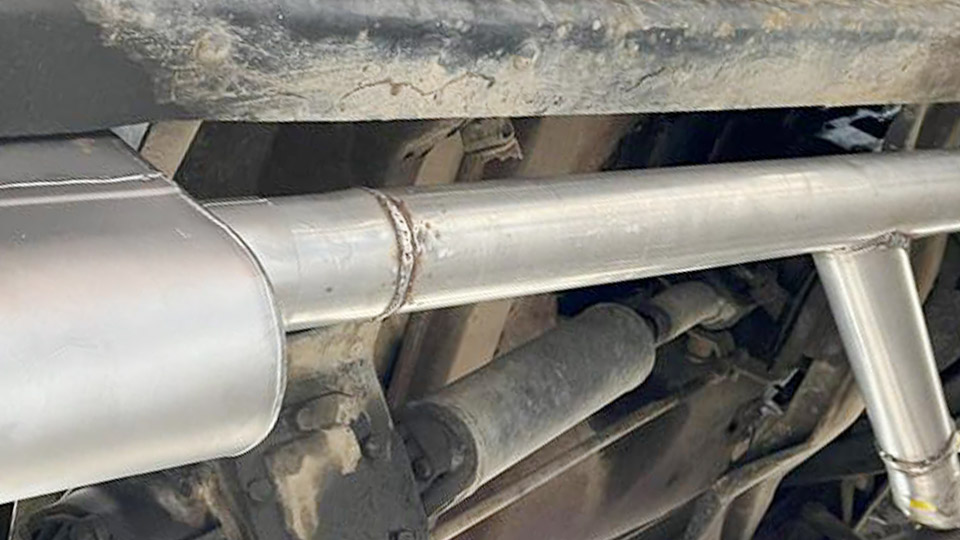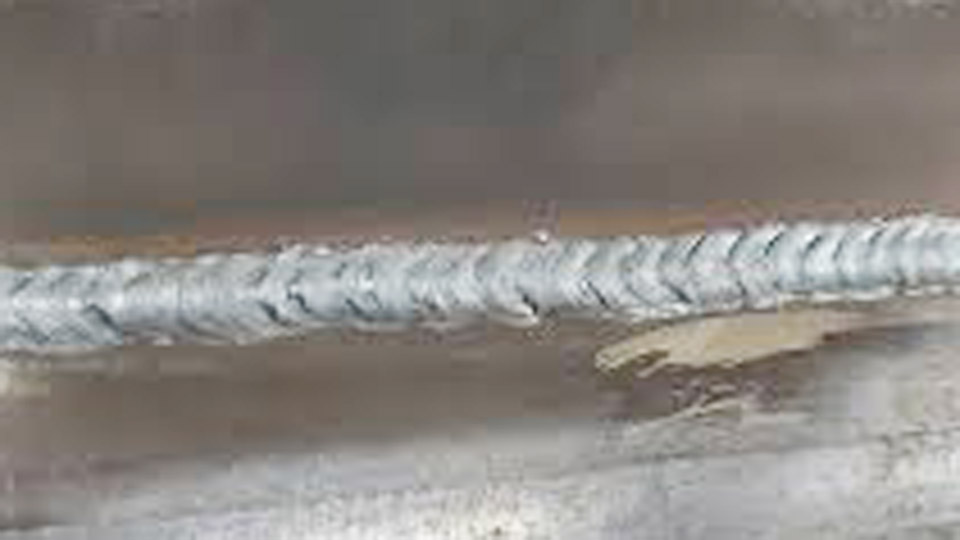
A leaking or restricted heater core can cause coolant loss, reduced cabin heat, windshield fogging, and, in severe cases, engine overheating. For vehicle owners and technicians looking to avoid the expense and labor of a full dashboard teardown, understanding how to fix a heater core without replacing it can be a practical first step.
Depending on the cause of the problem, solutions such as flushing the heater core, sealing minor leaks, or bypassing damaged sections may restore performance and extend service life.
Addressing heater core issues early matters because coolant system failures can lead to overheating, reduced engine efficiency, and costly repairs that affect overall vehicle reliability. However, not every heater core problem can be resolved with a temporary fix, making accurate diagnosis essential.
The following guide explains the most effective repair options, when they work, and the limitations you should consider before deciding whether replacement can be avoided.
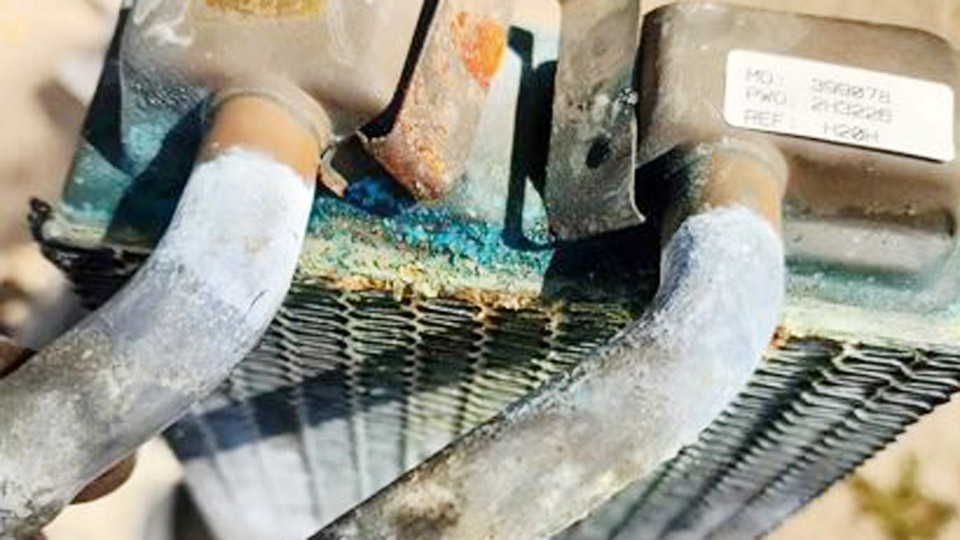
Image by mosautoshop
Understanding Heater Core Construction and Failure Points
A heater core is basically a small radiator tucked behind your dash. Hot coolant flows through rows of thin tubes while fins transfer heat to cabin air. Older American vehicles usually have brass or copper cores with soldered joints. Newer ones are aluminum for weight savings and better heat transfer.
Common failure spots include:
- Pinholes in the tubes from internal corrosion
- Cracked end tanks
- Failed solder joints where tubes meet headers
- Bends or seams stressed by engine vibration
Brass/copper cores respond well to traditional soldering. Aluminum needs TIG or specialized brazing because it’s thinner and more heat-sensitive. Knowing your material prevents burn-through and weak repairs.
Why material matters in practice: Copper/brass is forgiving but heavy. Aluminum dissipates heat faster but warps easily if you dump too much amperage into it. I’ve seen pros ruin aluminum cores by treating them like steel.
When Repairing Makes Sense vs. Full Replacement
Repair shines when the leak is isolated—a single pinhole or small crack—and the rest of the core is solid. On a daily driver or project truck where dash access is brutal, fixing in place or after removal beats replacement labor.
Consider repair when:
- The vehicle is older with brass cores that radiator shops still service
- You’re in the field with limited parts availability
- Budget is tight but you need reliable heat for winter driving
Skip it if the core shows widespread corrosion, multiple leaks, or heavy clogging. At that point, a new unit prevents callbacks.
Real shop insight: Test the core first. Remove it, plug the outlets, pressurize with air or water, and look for bubbles. This tells you exactly where to focus your weld.
Tools and Materials You’ll Need for a Solid Repair
Gather these before starting:
- TIG welder (AC/DC capable, like a Miller or Lincoln common in US shops) for aluminum
- Oxy-acetylene torch or MAPP setup for brazing/soldering brass
- Appropriate filler: ER4043 or ER5356 rod for aluminum TIG; silver solder or lead-free for brass
- Wire brush, acetone or dedicated aluminum cleaner
- Flux matched to your process
- Pressure tester
- Safety gear—gloves, helmet with proper shade, ventilation
For amperage, stay conservative. On thin aluminum (around 0.030-0.060″), I run 40-80 amps AC with a 1/16″ tungsten. Balance around 70% cleaning for oxide removal without excessive etch. For brass soldering, heat the joint until solder flows freely—no direct flame on the filler.
Step-by-Step: Removing and Preparing the Heater Core
Safety first—coolant is hot and can burn. Drain the system partially, disconnect battery, and remove obstructing components.
- Access and removal: This varies by vehicle. On many trucks, it’s doable from under the hood or with minimal dash disassembly. Label hoses.
- Drain and flush: Blow out old coolant and debris. Use a garden hose in reverse to clear clogs.
- Inspect thoroughly: Look for thinning metal, multiple weak spots. Pressure test submerged if possible.
- Clean the repair area: Grind or sand to bright metal. For aluminum, use a stainless brush dedicated to aluminum only. Wipe with acetone. Oxide reforms fast, so weld soon after cleaning.
Common beginner mistake: Skipping thorough cleaning. Flux and filler won’t bond to oxidation, leading to porosity and failure down the road.
Repairing Brass and Copper Heater Cores
Brass cores are classic and repair-friendly. Use a torch with silver-bearing solder and proper flux.
Heat the surrounding area evenly so solder wicks into the joint by capillary action. Don’t melt the base metal—true soldering, not welding. Work in sections to avoid overheating and warping tanks.
Practical tips from the bench:
- Use a soldering copper or small torch tip.
- Keep the flame moving.
- Add solder until it flows bright and shiny.
- Let it cool naturally—no quenching that causes cracks.
I’ve repaired 1960s-70s Ford and GM cores this way that are still on the road. Pros at old-school radiator shops do this daily.
TIG Welding Aluminum Heater Cores
Modern aluminum cores demand TIG. The process gives precise heat control on thin material.
Machine settings:
- AC mode
- 40-90 amps depending on thickness (start low and use foot pedal)
- Argon flow 15-20 CFH
- 1/16″ or 3/32″ 2% lanthanated tungsten
- Filler: 4043 for general repairs, 5356 for higher strength
Technique:
- Tack the area first with minimal heat.
- Use pulse if your machine has it—helps control puddle on thin stuff.
- Push the puddle slightly for better cleaning.
- Back-purge if accessible to prevent sugaring on the inside.
Focus on small pinholes by building a tiny patch or flowing filler directly. For cracks, V-groove lightly and fill. Keep beads small to minimize distortion.
Pro tip on distortion: Clamp the core to a flat surface or use heat sinks (copper bars) near the repair. Aluminum expands and contracts dramatically.
Joint Preparation and Filler Compatibility
Always match filler to base metal. Mixing aluminum and brass fillers leads to brittle joints.
For aluminum:
- Remove oxide completely.
- Use correct polarity and balance for cleaning action.
For brass:
- Acid flux works well.
- Avoid overheating to prevent zinc burnout in brass.
Comparison of Repair Methods:
| Method | Material | Heat Input | Skill Level | Durability | Best For |
|---|---|---|---|---|---|
| Torch Soldering | Brass/Copper | Low | Medium | High | Traditional cores |
| TIG Welding | Aluminum | Controlled | High | Very High | Modern units |
| Brazing Rods | Aluminum | Medium | Medium | Good | Field repairs |
| Epoxy/Patch | Any | None | Low | Low | Temporary only |
TIG wins for strength on aluminum, but torch soldering is faster on brass.
Common Mistakes and How to Avoid Them
Beginners often crank amperage too high and blow holes in thin tubes. Start low, use the foot pedal, and add filler as needed.
Pros sometimes rush cleaning. Always brush and solvent-wipe right before welding.
Another issue: poor fit-up. If a crack is wide, don’t just bridge it—cut out bad metal and insert a patch of similar thickness.
Warping happens from uneven heating. Alternate sides and let sections cool between passes.
Material handling note: Aluminum conducts heat away fast, so larger repairs may need slight preheat (200-300°F max) but avoid it on very thin sections.
Pressure Testing and Reinstallation
After repair, pressure test to 15-20 PSI. Submerge in water and watch for bubbles. Fix any issues before reinstalling.
Flush the entire cooling system. Refill with correct coolant mix—use aluminum-compatible if needed. Bleed air pockets properly.
Reinstall carefully. Overtightened clamps crush tubes. Use new O-rings or gaskets.
Safety Considerations in Heater Core Repair
Coolant contains ethylene glycol—toxic and slippery. Work in a ventilated area. Wear proper PPE.
When TIG welding, watch for argon displacement in tight spaces. Use fans if needed.
Hot metal looks like cold metal. Give everything time to cool.
For vehicle work, disconnect battery to avoid shorts and drain coolant to prevent spills on electronics.
Advanced Tips for Shop-Quality Results
On aluminum, try specialized aluminum brazing rods for quicker field fixes, but TIG remains king for permanence.
For brass, a full dip or oven soldering gives factory-like results, but torch work handles most pinholes.
Document your settings and materials for repeat jobs. Every core is slightly different.
I’ve seen repairs last 100,000+ miles when prepped right. Rushed ones fail in months.
Taking It Further: Preventive Maintenance
Once repaired, maintain the system. Flush every 2-3 years. Use quality coolant. Check hoses and clamps regularly.
In fabrication shops, some guys build custom heater setups with heavier tubing to avoid these issues altogether.
After years fixing these in everything from muscle cars to work trucks, the key is respect for the material and patience with heat control. A good repair isn’t just stopping a leak—it’s restoring full function without introducing new problems.
Final Thoughts
Master these techniques and you’ll tackle heater core issues confidently, saving dashboards from unnecessary teardown and keeping vehicles on the road longer. The next time a pinhole shows up, you’ll know exactly how to handle it instead of reaching for a new core.
Always repair with the mindset that the inside of the tube must stay as smooth as possible. Turbulence from sloppy filler can reduce flow and heating efficiency. Take the extra minute to dress the interior if accessible—it separates amateur fixes from shop-grade work.
FAQ
Can you really fix a leaking heater core with welding instead of replacing it?
Yes, especially isolated pinholes. Brass cores solder nicely; aluminum needs TIG. Success depends on accessing the leak and the overall condition of the core. I’ve done dozens that outlasted cheap replacements.
What’s the best process for aluminum heater cores?
TIG welding with AC current and proper filler like 4043. Keep amperage low (40-80 range for thin material) and clean thoroughly. Avoid MIG unless you’re set up for aluminum wire—heat control is tougher.
How do I prevent warping the core during repair?
Use low heat, small beads, clamps or heat sinks, and alternate sides. Let it cool between passes. Proper joint prep reduces needed filler volume.
Is stop-leak product a good temporary fix?
It can seal small leaks short-term but risks clogging passages and causing bigger issues later. Better for emergencies only—plan a proper metal repair.
What amperage should I use for TIG on a typical aluminum heater core?
Start around 50-70 amps with a foot pedal for control. Adjust based on thickness and your puddle. Practice on scrap first—every machine and alloy varies slightly.