Damaged bolt threads frequently halt projects in workshops, fabrication shops, and field repairs. Cross-threading, corrosion, over-torquing, or impact damage can render a fastener unusable, forcing decisions between replacement, repair, or redesign.
Knowing how to fix damaged threads on a bolt restores functionality without full part replacement, saving time and cost while maintaining structural integrity in welded assemblies, machinery, and custom fabrications.
I’ll discuss the practical, welding-oriented techniques for external bolt threads and related internal repairs in mating parts. It focuses on real decisions welders face: when to chase threads, when to build up with weld metal, and when inserts provide the strongest long-term fix.
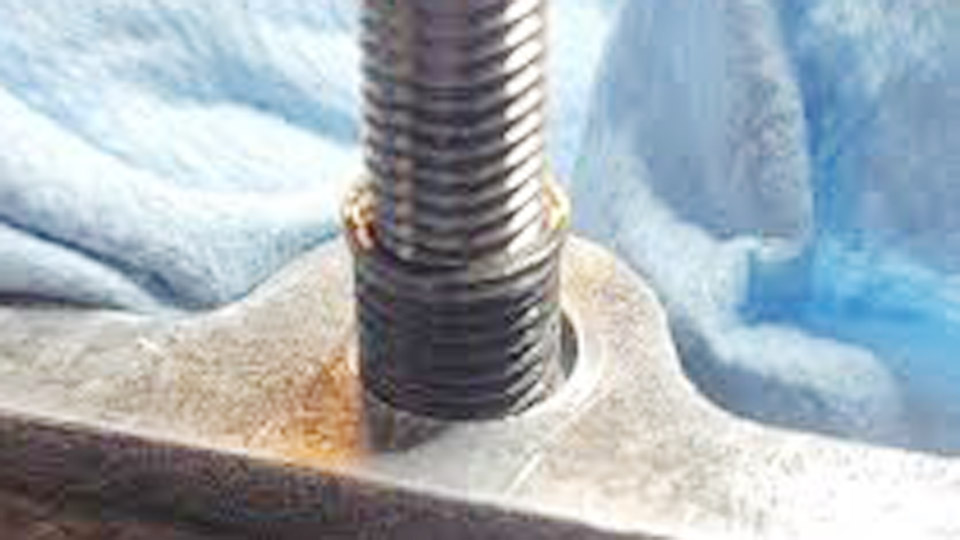
Image by jegs
Assessing Thread Damage
Identifying Types of Damage
Thread damage falls into categories that dictate repair strategy. Minor flattening or burrs from cross-threading often respond to mechanical restoration. Deeper galling, stripped crests, or corrosion pitting requires material addition or replacement.
In high-vibration environments common to welded structures, even slight damage accelerates failure through fretting or loosening.
Measure damage with a thread pitch gauge and calipers. Compare against standard specifications: for a 1/2-13 UNC bolt, major diameter is nominally 0.500 inches with 13 threads per inch. Deviations exceeding 0.005–0.010 inches in pitch diameter typically need intervention beyond simple chasing.
Evaluating Load and Material Considerations
Assess the bolt’s role. In structural welds or pressure-bearing applications, repairs must match or exceed original tensile strength (e.g., Grade 8 bolts rated ~150,000 psi). Base material matters: mild steel tolerates welding readily, while alloy or stainless steels demand matching filler and controlled heat input to avoid cracking.
For aluminum or cast iron components, welding risks distortion or cracking, favoring mechanical inserts. Factor in operating temperature, corrosion exposure, and torque requirements before choosing a method.
When Replacement Beats Repair
Stock a range of replacement bolts. If damage affects more than 2–3 threads or the bolt shows necking, replace it. Repairs shine for unique, large, or expensive fasteners and when disassembly is impractical.
Non-Welding Mechanical Repair Methods
Thread Chasing and Restoration Tools
Start with the least invasive approach for external threads. A thread restoring file or die nut cleans minor damage. Select the file matching the thread pitch (e.g., 18 TPI for 1/4-20). Stroke along the thread helix at the correct angle, applying light pressure to reform crests without removing excessive material.
A die in a holder or T-handle recuts threads. Lubricate with cutting oil and turn slowly, backing off frequently to clear chips. This works best when 70–80% of the thread remains intact.
Thread Files vs. Dies: Practical Selection
Thread files suit field repairs on large or fixed bolts where a full die won’t fit. Dies provide more uniform results on removable fasteners. Avoid forcing either tool—excessive pressure work-hardens the material, complicating future repairs.
For precision, use a micrometer or thread micrometer to verify pitch diameter post-repair. Acceptable tolerance for most applications is within Class 2A/2B fit.
Welding-Based Thread Repair Techniques
Welding offers powerful options for severely damaged external threads or internal holes in weldments.
Preparing for Weld Build-Up
Clean the damaged area thoroughly with solvent and a wire brush or grinder to remove contaminants, rust, and debris. For external bolt threads, secure the bolt in a vise or fixture. Use a flux-cored or gas-shielded process (MIG/TIG) to minimize slag inclusions that could weaken re-threaded areas.
Preheat larger bolts or high-carbon materials to 200–400°F depending on alloy to reduce cracking risk. Match filler metal to base: ER70S-6 for mild steel.
Building Up Damaged Threads with Weld Metal
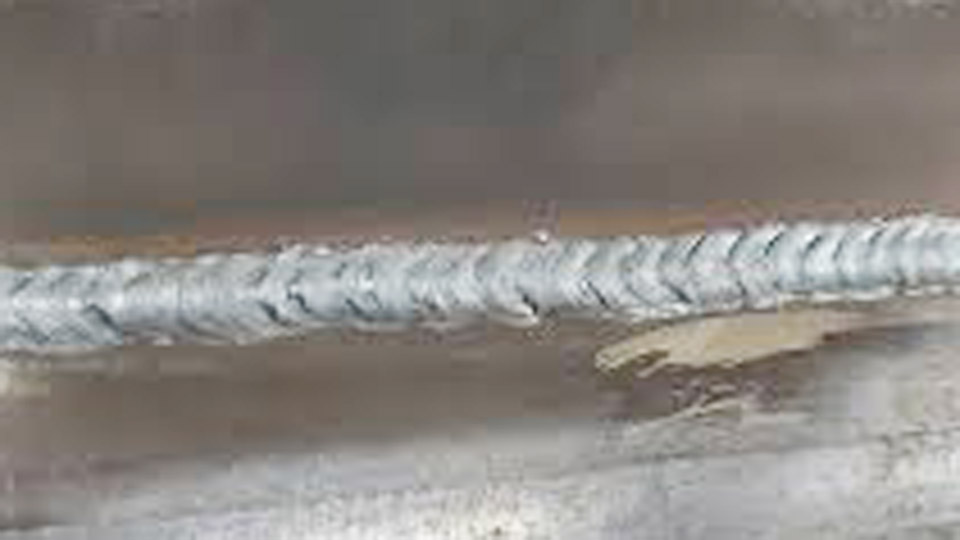
Apply weld beads along the damaged threads, building slightly oversize. Use stringer beads with low heat input (e.g., 80–120 amps on MIG for 1/4-inch bolt) to control distortion. Multiple thin layers outperform single heavy passes for better fusion and reduced heat-affected zone (HAZ) issues.
Allow slow cooling under insulation if needed. Grind or machine excess weld flush with original major diameter, then re-thread using a die. This method restores full strength when executed properly but requires post-weld machining capability.
Repairing Internal Threads in Welded Assemblies
For stripped holes in plates or weldments, drill out damaged threads to clean metal. Enlarge the hole (e.g., from 1/2″ to 5/8″ or more), weld it closed with multiple passes, then re-drill and tap to original or next size. Gas-shielded processes reduce porosity.
Post-weld, use dye penetrant to check for cracks. This approach excels in structural steel fabrications where oversized holes are unacceptable.
Managing Heat Distortion and Post-Weld Processing
Welding introduces residual stresses. Clamp parts securely and use peening or stress-relief techniques where critical. Machine or file the rebuilt area precisely before tapping or threading. Test fit with a go/no-go gauge.
In production or critical applications, consider stress-relieving heat treatment after welding but before final threading.
Thread Insert Systems for Durable Repairs
Helicoil Inserts: Installation and Performance
Helicoils provide a strong, economical fix for internal threads. Drill to specified oversize, tap with the Helicoil tap, then install the coiled insert. The insert’s diamond-shaped wire creates strong engagement with both the parent material and the bolt.
Torque values often exceed original due to improved thread engagement. Ideal for aluminum or softer materials in welded frames or brackets.
Time-Sert and Solid Inserts
Time-Serts offer a solid bushing with external threads, providing superior resistance to vibration and repeated disassembly compared to wire coils. The installation requires a counterbore for the locking flange. These suit higher-load applications.
Choosing Between Inserts and Weld Repair
Inserts minimize heat input and preserve surrounding material. Welding integrates seamlessly in steel weldments but risks distortion. Use inserts when precision alignment matters; weld when restoring original dimensions or in high-strength steel.
Advanced Considerations for Welders
Material Compatibility and Filler Selection
Stainless bolts in carbon steel assemblies risk galvanic corrosion—consider compatible repairs or coatings. For high-temperature applications (e.g., exhaust), use appropriate high-temp alloys and verify thread lubrication (anti-seize).
Torque and Assembly Best Practices
After repair, follow torque specifications adjusted for any method changes. Use thread lockers judiciously—some interfere with certain inserts. In dynamic loads, consider prevailing torque nuts or safety wire.
Inspection and Quality Control
Visually inspect, then perform thread gauging. For critical welds, magnetic particle or ultrasonic testing verifies integrity. Document repairs for traceability in professional work.
Tools and Equipment Recommendations
Essential kit includes thread pitch gauges, calipers, tap and die sets, thread files, Helicoil kits sized for common fasteners (M6–M12 or 1/4–1/2 inch), and welding setup with TIG capability for precision. A bench grinder or lathe speeds post-weld cleanup.
Real-World Decision Framework
Match repair to context: quick field fix favors chasing or epoxy (temporary); permanent structural repair favors welding or quality inserts. Calculate costs—time, materials, downtime—and strength requirements.
FAQ
Can you weld directly on damaged bolt threads without drilling?
Weld build-up works on external threads after cleaning, but drilling out internal damage first yields cleaner results and reduces defects. Always machine or file post-weld before re-threading.
How strong is a welded thread repair compared to original?
Properly executed weld repairs in matching material can restore near-original strength, often limited by the HAZ or weld quality rather than the threads themselves. Test in non-critical applications first.
When should I use Helicoil instead of welding for bolt thread repair?
Choose Helicoil for softer base materials, heat-sensitive parts, or when avoiding distortion is critical. Welding suits steel fabrications needing dimensional restoration.
What’s the best way to prevent thread damage in future welding projects?
Use proper alignment tools, correct torque sequences, anti-seize on stainless or high-temp fasteners, and thread protectors during fabrication and transport.
Final Thoughts
Effective thread repair blends assessment, technique selection, and execution. Welders who master these methods minimize downtime and deliver robust assemblies.
The advanced insight: in high-performance fabrications, a well-executed weld build-up followed by precision re-threading often outperforms inserts by maintaining monolithic material properties—provided heat management and post-processing are rigorous. Prioritize the repair that best balances strength, precision, and service conditions for reliable results.