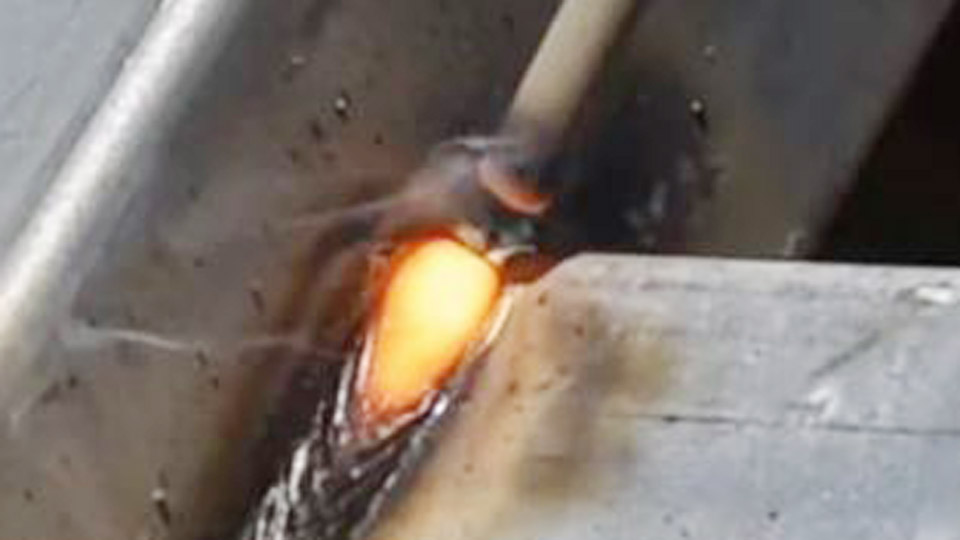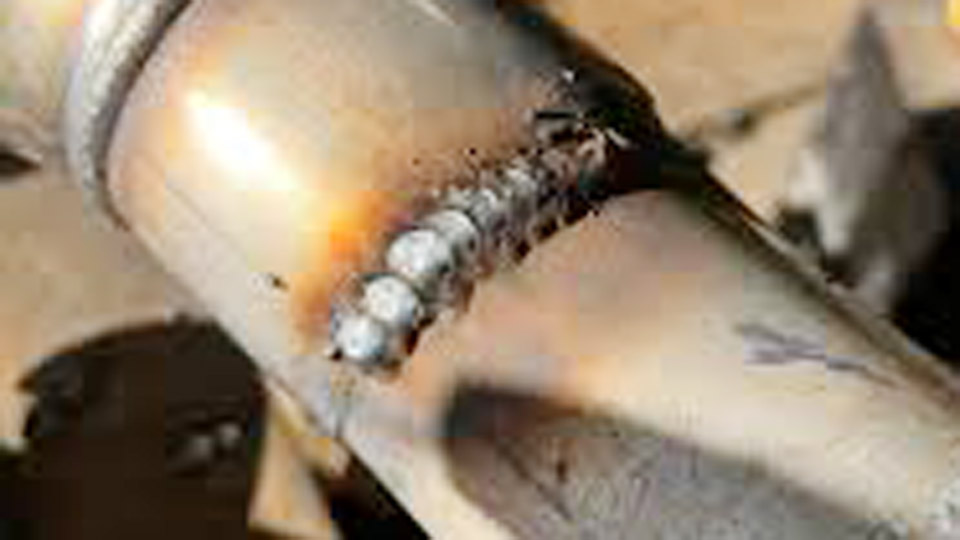
Stick Welding Tips for 7018 are essential for producing low-hydrogen welds that meet structural, fabrication, and repair requirements. While 7018 electrodes are known for their strength, ductility, and smooth bead appearance, they can be unforgiving when welding parameters or technique are not properly controlled.
Incorrect amperage, poor rod storage, excessive arc length, or inadequate joint preparation can lead to porosity, slag inclusions, lack of fusion, and costly rework.
In real welding environments, consistent arc stability and proper deposition are critical for maintaining weld quality and passing visual or code-based inspections.
Whether you’re working on structural steel, heavy equipment repairs, or general fabrication, understanding how to get the best performance from 7018 electrodes directly affects productivity and weld integrity.
I’ll focus on practical techniques and adjustments that help improve arc control, bead appearance, penetration, and overall welding results with 7018 rods.
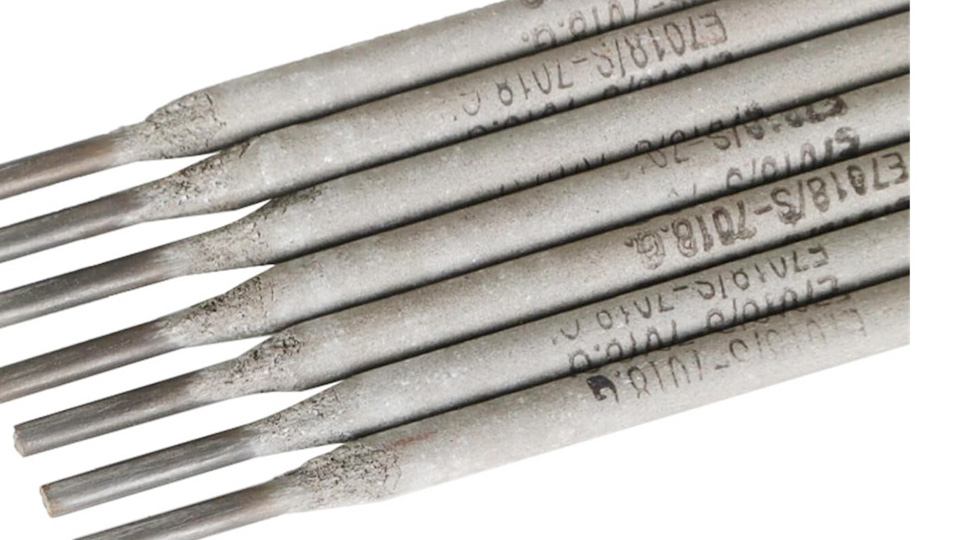
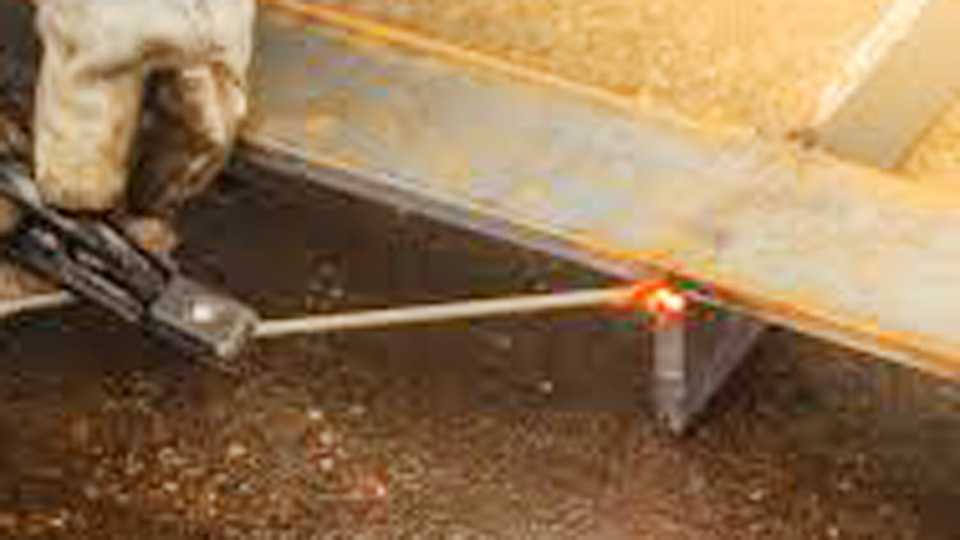
Image by capitolironworksdc
Understanding E7018 Electrodes and Their Advantages
E7018 rods produce welds with minimum 70,000 psi tensile strength and low diffusible hydrogen levels, making them ideal for mild and low-alloy steels.
Key Characteristics of 7018 Coating and Flux
The iron powder in the flux increases deposition rates while the low-hydrogen formulation minimizes cracking risk in restrained joints. This coating allows all-position welding (except vertical down) with smooth arc performance on DC electrode positive (DCEP).
Unlike cellulose electrodes like 6010, 7018 slag releases easily and produces a convex bead profile suited for multi-pass builds.
When to Choose 7018 Over Other Electrodes
Select 7018 for structural fabrication, pressure vessels, heavy equipment repairs, or any application requiring impact toughness and crack resistance. It excels on thicker materials (1/4 inch and up) where 6011 or 6013 may lack strength or ductility.
Avoid it on dirty, rusty, or painted surfaces—prepare the joint thoroughly, as the flux performs best on clean metal. For root passes in open-root joints, 6010 often pairs better before capping with 7018.
Material Compatibility and Limitations
7018 works on carbon steels, some low-alloy steels, and castings when properly preheated. It is less forgiving on very thin material (<1/8 inch) due to higher heat input needs. In high-humidity environments or on high-strength steels, strict storage and handling prevent moisture absorption that leads to porosity or delayed cracking.
Optimal Amperage Settings and Machine Parameters
Amperage directly controls heat input, puddle fluidity, and penetration. Incorrect settings cause sticking, undercut, or lack of fusion.
Amperage Recommendations by Electrode Diameter
Use these ranges as starting points and adjust ±10-15% based on joint fit-up, position, and technique:
| Electrode Diameter | Flat/Horizontal Amps | Vertical/Overhead Amps | Typical Material Thickness |
|---|---|---|---|
| 3/32″ (2.4 mm) | 70-100 | 65-90 | 1/8″ – 1/4″ |
| 1/8″ (3.2 mm) | 90-150 | 85-140 | 1/4″ – 3/8″ |
| 5/32″ (4.0 mm) | 110-230 | 140-200 | 3/8″ – 1/2″ |
| 3/16″ (4.8 mm) | 150-300 | 180-250 | 1/2″+ |
Start in the lower half of the range for vertical uphill and increase for flat positions. Test on scrap to achieve a puddle width about 2.5 times the core wire diameter.
Polarity, Arc Force, and Hot Start Settings
Run 7018 on DCEP for best penetration and arc stability. On inverter machines, set hot start to 20-30% above main amperage for easy striking and arc force (dig) to 10-20% for improved puddle control without excessive spatter. AC works but produces more spatter and slightly less penetration than DC.
Adjusting for Joint Type and Position
Increase amperage 10-15% for fillet welds versus butt joints due to greater heat dissipation. For vertical uphill, drop 10-20 amps and use a slight weave to control the puddle. Overhead requires the tightest arc and slightly lower settings to prevent dripping.
Electrode Storage and Handling Practices
Low-hydrogen electrodes lose effectiveness quickly when exposed to moisture.
Proper Storage Solutions
Store 7018 in a dedicated rod oven at 250-300°F (121-149°C) for long-term holding. Use portable quivers for field work to maintain temperature. Re-dry electrodes exposed to air at 500-800°F for 1-2 hours following manufacturer guidelines—never exceed recommendations to avoid coating damage.
Field Handling and Reconditioning
Issue only the amount needed for a shift. Discard rods left out overnight or showing flux chipping. In humid conditions, rotate stock and use sealed containers with desiccant. Proper handling prevents hydrogen pickup that causes microfissures invisible until post-weld heat treatment or service.
Arc Length, Travel Speed, and Electrode Angles
These variables determine bead shape, penetration, and defect formation more than amperage alone.
Maintaining Optimal Arc Length
Keep a tight arc—nearly dragging the coating on the workpiece for flat and horizontal welds. A long arc introduces porosity by allowing atmospheric contamination. In vertical positions, maintain a consistent 1/16″ or less gap; variations cause uneven ripples or undercut.
Travel Speed and Puddle Control
Match travel speed to keep the puddle uniform and slightly ahead of the electrode. Too slow produces excessive convexity and slag entrapment; too fast causes lack of fusion or narrow beads. Focus on the leading edge of the puddle for real-time adjustments.
Electrode Angles for Different Positions
- Flat/Horizontal: 10-15° drag angle (electrode trailing the travel direction).
- Vertical Uphill: 3-5° leading angle with slight weave or whipping motion.
- Overhead: Steeper drag angle (15-20°) and faster travel to control gravity-affected puddle.
Consistent angle prevents undercut on toes and ensures proper sidewall fusion.
Welding Techniques for Multi-Pass and Position-Specific Work
7018 shines in multi-pass applications when layers build correctly.
Root, Filler, and Cap Pass Strategies
For groove welds, use stringer beads for the root to ensure penetration, then fill with slight weaves. Cap passes should slightly overlap previous beads for smooth contours. Clean thoroughly between passes—slag removal is easy but incomplete cleaning causes inclusions.
Vertical Uphill Technique Details
Strike at the bottom, establish a small puddle, then move upward with a triangular or slight side-to-side motion. Pause briefly at the toes to tie in without undercut. Maintain constant rod angle as the electrode shortens by adjusting hand position.
Horizontal and Overhead Considerations
In horizontal, use a slight upward tilt to counteract sag. Overhead demands the shortest arc and highest travel speed. Practice stacked dimes or controlled weaves only when necessary—stringers often provide better mechanical properties.
Joint Preparation and Pre/Post-Weld Procedures
Success starts before striking an arc.
Surface Preparation Requirements
Grind or wire brush to bright metal, removing mill scale, rust, oil, and moisture. Bevel grooves to 30-35° with 1/16-1/8″ root face depending on thickness. Proper fit-up (minimal gap) reduces the need for excessive weave and heat input.
Preheating and Interpass Temperature
Preheat carbon steel to 100-300°F based on thickness and carbon equivalent. Maintain interpass temperatures below 500°F to control cooling rates and residual stresses. Use temperature-indicating crayons for accuracy.
Post-Weld Treatments
Inspect for cracks or undercut. For critical applications, consider stress-relief heat treatment. Slow cooling under insulation helps on thick sections.
Troubleshooting Common 7018 Weld Defects
Address issues through process control rather than guesswork.
Porosity and Its Causes
Moisture in the coating or base metal is the primary culprit. Solutions include re-drying rods, cleaning joints, and shortening arc length. Wind or drafts also pull in air—use screens in field work.
Undercut and Lack of Fusion
Undercut results from excessive amperage, long arc, or incorrect angle. Reduce amps, tighten arc, and slow travel at toes. Lack of fusion stems from low heat, poor cleaning, or fast travel—verify settings and technique on test coupons.
Cracking Issues
Hydrogen cracking appears hours or days later. Prevent with dry electrodes, preheat, and proper sequencing to minimize restraint. Centerline cracking may indicate excessively wide weaves or high sulfur content in base metal.
Advanced Considerations for Professional Results
For code work or high-performance applications, layer techniques build on fundamentals.
Weave Patterns and Their Impact
Use controlled weaves (crescent, figure-8, or whip) sparingly in vertical and overhead to manage heat. Excessive weaving dilutes the weld pool and can reduce toughness. Stringer beads generally yield superior properties in multi-pass welds.
Machine Features That Enhance 7018 Performance
Modern inverters with adjustable arc force, hot start, and dig settings improve starts and puddle control. Some offer 7018-specific modes that optimize output for low-hydrogen performance.
Selecting Rod Diameter for Efficiency
Larger diameters increase deposition but require more skill and power. For production, 5/32″ or 3/16″ on thick plate maximizes efficiency when operators maintain control. Hobbyists and students benefit from 3/32″ or 1/8″ for better manageability.
Performance-Based Takeaway
Consistent 7018 welds come from mastering heat input balance—enough for fusion without excess that causes distortion or metallurgical issues. The best welders treat every pass as an independent decision on amperage, angle, and speed tailored to the joint’s current condition.
An advanced insight: In high-restraint situations, sequence welds to allow contraction in a balanced manner, often alternating sides or using back-step techniques, to minimize residual stresses that even perfect parameters cannot overcome.
FAQ
What is the best amperage for 1/8″ 7018 stick welding?
For 1/8″ 7018, start at 100-130 amps in flat position and adjust down for vertical. Test on scrap to achieve a stable puddle with tight arc without sticking or undercut.
How do you prevent porosity when welding with 7018?
Store rods in a heated oven, clean joints thoroughly, maintain a short arc length, and avoid drafts. Re-dry any exposed electrodes before use.
Can you run 7018 on AC?
Yes, but DC electrode positive provides superior arc stability, penetration, and appearance. AC works when DC is unavailable but expect more spatter.
What positions can 7018 electrodes be used in?
All positions except vertical down. It performs best vertical uphill with proper technique and amperage control.