Stick welding remains one of the most widely used welding processes because it is versatile, affordable, and capable of producing strong welds in a wide range of conditions.
For anyone learning the trade, understanding Stick Welding Basics for Beginners is essential for developing proper technique and avoiding common problems such as poor penetration, excessive spatter, slag inclusions, and unstable arcs.
A solid grasp of electrode selection, amperage settings, arc length, and travel speed directly affects weld quality and structural integrity. Even small setup mistakes can lead to weak joints, costly rework, or failed inspections.
Whether you’re working on home fabrication projects, equipment repairs, or developing foundational welding skills, mastering the basics helps create cleaner, stronger, and more consistent welds.
Understanding these core principles provides the foundation needed to improve welding performance and build confidence with every weld.
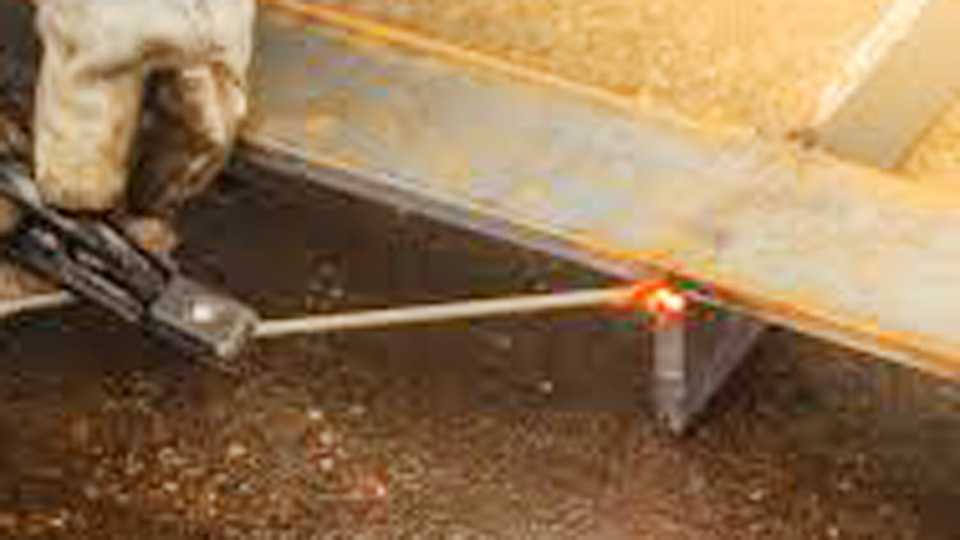
Image by mmcertifiedwelding
Understanding Stick Welding (SMAW) Fundamentals
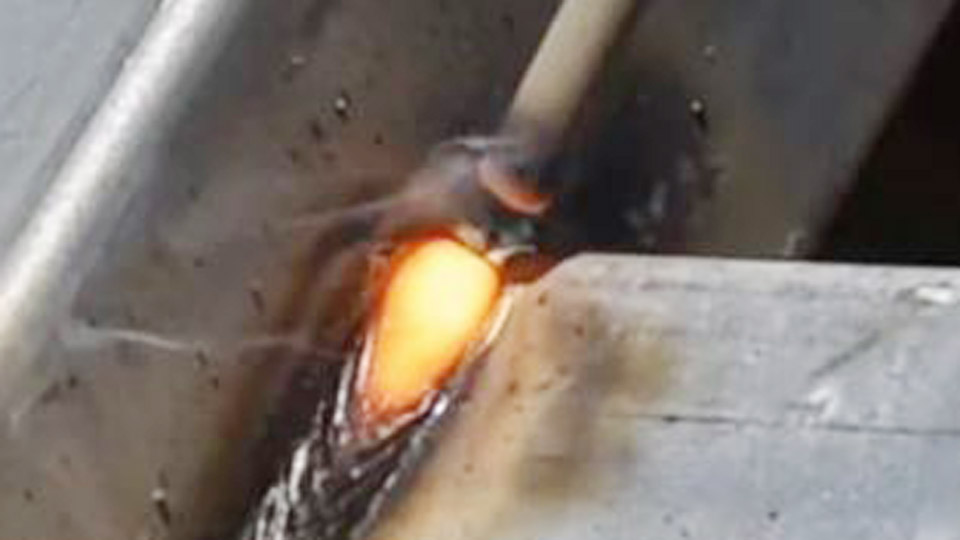
Stick welding, or Shielded Metal Arc Welding (SMAW), uses a consumable electrode coated in flux to create an arc that melts both the rod and base metal, forming a weld pool protected by slag.
How the Arc and Flux System Work Together
The electrode core wire carries current to establish the arc, while the flux coating decomposes to generate shielding gas and forms slag that floats to the top of the weld pool.
This self-shielding nature makes SMAW highly portable and tolerant of outdoor conditions or mildly contaminated surfaces compared to processes requiring external gas. The flux also stabilizes the arc and adds deoxidizers and alloying elements to the weld metal.
Key Advantages for Hobbyists and Field Work
SMAW excels in versatility across thicknesses from thin sheet to heavy plate, works in all positions, and requires minimal equipment. It handles wind, drafts, and rusty metal better than MIG or TIG, making it ideal for repairs on farms, structural steel, or maintenance tasks. Limitations include slower deposition rates and the need for slag removal between passes.
Core Limitations and When to Choose Alternatives
Stick welding produces more spatter and requires post-weld cleaning. For very thin materials under 1/8 inch or high-precision work, MIG or TIG often proves more efficient. Understanding these trade-offs helps match the process to the job.
Essential Equipment and Setup for Reliable Welds
Proper setup minimizes arc instability and ensures consistent performance from the start.
Selecting a Suitable Stick Welder
Choose a machine with sufficient amperage range (at least 140-200A for most beginner work) and DC output capability. Inverter models offer better portability and arc stability than older transformers.
Constant current (CC) output is required for SMAW. Verify duty cycle ratings for your expected usage to avoid overheating during longer sessions.
Polarity and Its Impact on Penetration
DC Electrode Positive (DCEP/reverse polarity) provides deeper penetration and is standard for most electrodes like E6010 and E7018. DC Electrode Negative (DCEN/straight) suits thinner materials or specific rods.
AC works with many general-purpose electrodes but may produce more spatter. Match polarity to the electrode manufacturer’s recommendation for optimal results.
Work Clamp and Cable Considerations
A clean, secure work clamp connection is critical for stable arc performance. Position it close to the weld area to minimize voltage drop. Use appropriately sized cables (at least #4 AWG for typical home setups) to handle current without excessive heat buildup.
Electrode Selection and AWS Classification Decoded
Electrode choice determines weld strength, position capability, and ease of use.
Breaking Down AWS Electrode Numbers
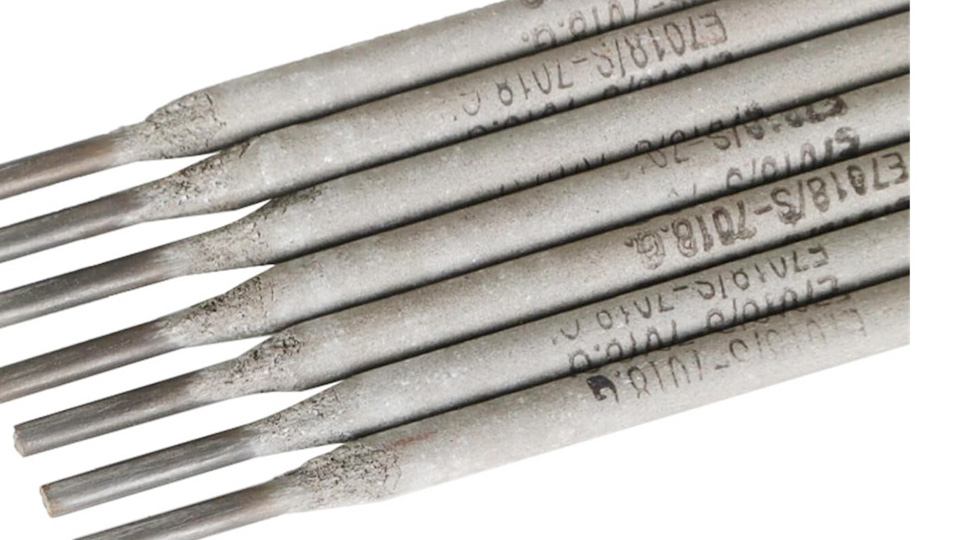
The designation EXXXX breaks down as follows: “E” for electrode; first two digits indicate minimum tensile strength in ksi (e.g., 60 for 60,000 psi); third digit shows positions (1 = all positions, 2 = flat/horizontal); fourth digit specifies flux type and compatible currents. For example, E6013 offers easy arc starting and all-position capability for general fabrication.
Recommended Starter Electrodes
- E6013: Beginner-friendly with smooth arc, easy slag removal, and good for thin to medium mild steel. Suitable for all positions.
- E7018: Low-hydrogen for higher strength structural welds; requires dry storage but delivers clean, ductile beads.
- E6010/E6011: Deep penetration for root passes or dirty metal; fast-freezing slag suits vertical and overhead work.
Matching Electrode Diameter to Material Thickness
Select diameter based on joint thickness: 3/32″ (2.4mm) for material up to 1/8″ thick, 1/8″ (3.2mm) for 1/8″–1/4″, and 5/32″ (4mm) for thicker sections. Larger diameters deposit more metal but demand higher amperage and skill to control.
Typical Amperage Ranges for Common Electrodes (Flat Position, Mild Steel)
| Electrode | Diameter | Amperage Range | Typical Use |
|---|---|---|---|
| E6013 | 3/32″ | 40-90A | Thin sheet, general |
| E6013 | 1/8″ | 70-130A | Medium plate |
| E7018 | 1/8″ | 90-150A | Structural |
| E6010 | 1/8″ | 75-125A | Root passes, dirty metal |
Start at the lower end and adjust by 5-10A increments while observing the puddle and arc sound. Use roughly 1 amp per 0.001″ of electrode diameter as a baseline.
Mastering Amperage Settings and Machine Adjustments
Correct heat input balances penetration, bead shape, and travel speed.
Determining Starting Amperage
Base settings on electrode diameter, material thickness, and position. Reduce amperage by 10-15% for vertical or overhead work to control the puddle. Increase slightly for thicker material or when using a drag technique. Test on scrap to fine-tune: ideal settings produce a stable arc with controlled puddle fluidity and easy slag release.
Effects of Incorrect Amperage
Too low: Sticky arc starts, poor fusion, narrow convex beads, and frequent extinguishing. Too high: Excessive spatter, undercut, burn-through on thin metal, and a loud, harsh arc with rapid electrode consumption. Listen for a steady “frying” sound as an indicator of proper settings.
Fine-Tuning for Different Conditions
Adjust for joint type (fillet vs. butt), fit-up gaps, and environmental factors. Wind or drafts may require slight increases to maintain arc stability. Multiple passes on thick material benefit from slightly lower settings on subsequent layers to avoid overheating.
Arc Striking and Basic Manipulation Techniques
Consistent arc control separates acceptable welds from professional ones.
Striking and Maintaining the Arc
Use a scratching or tapping motion to initiate the arc. Maintain a short arc length—roughly equal to the electrode diameter—to ensure proper shielding and heat concentration. A long arc causes porosity, spatter, and weak welds. Travel at a speed that keeps the puddle just ahead of the slag.
Electrode Angles and Travel Techniques
For flat and horizontal welds, use a 5-15° drag angle (electrode trailing). Vertical uphill typically requires a slight push or perpendicular angle with weaving to build the bead. Control travel speed to achieve a bead width about 1.5–2 times the electrode diameter. Pause briefly at the sides during weaves for tie-in.
Welding in Different Positions
Position affects puddle control and required technique adjustments.
Flat Position: Foundation for Building Skills
Easiest for beginners. Use drag technique with steady travel. Focus on consistent speed to produce uniform ripples and good penetration without excessive buildup.
Horizontal and Vertical Welding Challenges
Horizontal fillets require attention to prevent undercut on the top toe. Vertical uphill builds strength for structural work but demands precise weave patterns or stacking to manage the molten pool. Vertical downhill suits thinner material or non-critical applications with faster travel.
Overhead Position Considerations
Reduce amperage and use smaller diameter electrodes. Employ a tight weave or stringer beads with quick movement to prevent dripping. Body positioning and fatigue management become critical for maintaining control.
Material-Specific Approaches
Adapt parameters to the base metal properties.
Mild Steel: The Beginner Standard
Most forgiving with standard carbon steel electrodes. Clean mill scale or rust for best results, though SMAW tolerates some contamination. Preheat thicker sections (>1″) to reduce cracking risk.
Stainless and Other Alloys
Use matching or over-alloyed electrodes (e.g., E308 for 304 stainless). Lower heat input and faster travel help control distortion and preserve corrosion resistance. Specialized rods may require strict storage to prevent moisture absorption.
Troubleshooting Common Weld Defects
Identify and correct issues through observation and adjustment.
Porosity, Undercut, and Lack of Fusion
Porosity often stems from dirty metal, moisture in electrodes, or long arc length. Undercut results from excessive amperage or poor angle. Lack of fusion indicates insufficient heat, incorrect travel speed, or inadequate cleaning between passes. Increase amperage slightly or improve technique to resolve.
Slag Inclusions and Cracking
Inclusions occur from trapped slag due to poor cleaning or fast travel. Hydrogen cracking in high-strength steels is mitigated by using low-hydrogen electrodes and proper preheat/interpass temperatures.
Advanced Considerations for Progressing Welders
Once basics are solid, focus on multi-pass techniques, joint preparation, and distortion control. Stringer beads versus weaves affect mechanical properties—stringers often provide better toughness in critical applications. Post-weld heat treatment or peening can relieve stresses in demanding repairs.
Performance-Based Takeaway
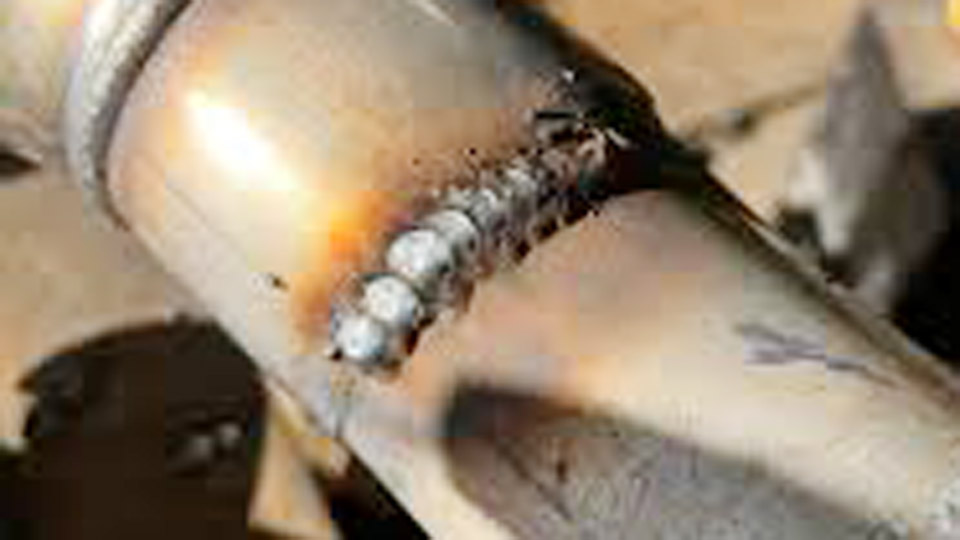
Successful stick welding hinges on deliberate choices in electrode selection, amperage matching to thickness and position, and disciplined arc control rather than chasing perfect beads on the first attempt. Prioritize penetration and fusion over appearance initially, then refine bead aesthetics.
A key pro-level insight: experienced welders treat the slag as a diagnostic tool—its removal ease and color reveal much about heat input, cleanliness, and technique consistency, guiding real-time adjustments on complex jobs. Apply these principles to move confidently from practice coupons to functional welds that hold under real loads.
FAQ
What is the best electrode for beginners in stick welding?
E6013 in 3/32″ or 1/8″ diameter offers easy arc starts, forgiving characteristics, and versatile all-position use on mild steel.
How do you calculate amperage for stick welding?
Start with approximately 1 amp per 0.001″ of electrode diameter, then adjust based on material thickness, position, and visual puddle control. Test on scrap and increment by 5-10A.
Why does my stick electrode keep sticking to the metal?
Low amperage, long arc attempts, or damp electrodes are common causes. Increase amps slightly and use a quick scratching motion for starts.
Can stick welding be used on stainless steel?
Yes, with appropriate electrodes like E308 or E309 series. Control heat input carefully to minimize distortion and maintain corrosion resistance. Always match or slightly over-alloy the filler.