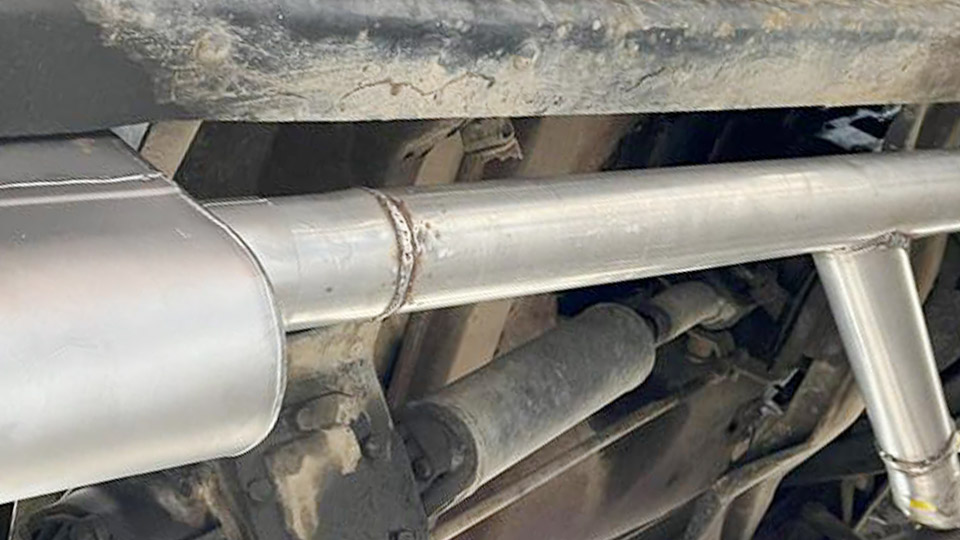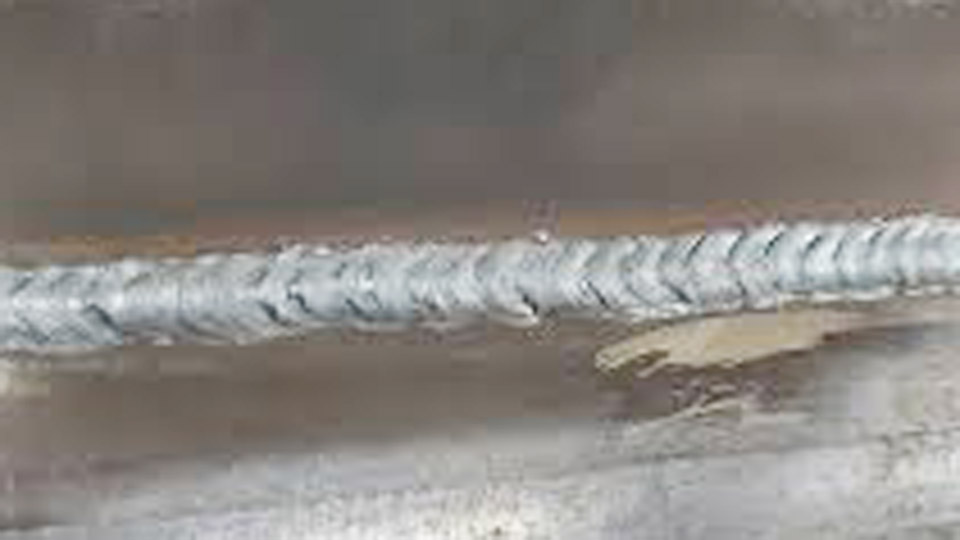
Yes, you can weld many thermoplastics together to form strong, permanent joints that often match or exceed the parent material’s strength.
This capability solves common frustrations for welders repairing cracked bumpers, fabricating custom tanks, or joining pipe sections where adhesives fail under load, vibration, or chemicals.
Understanding compatibility, heat input, and technique determines whether the repair holds for years or separates at first stress.
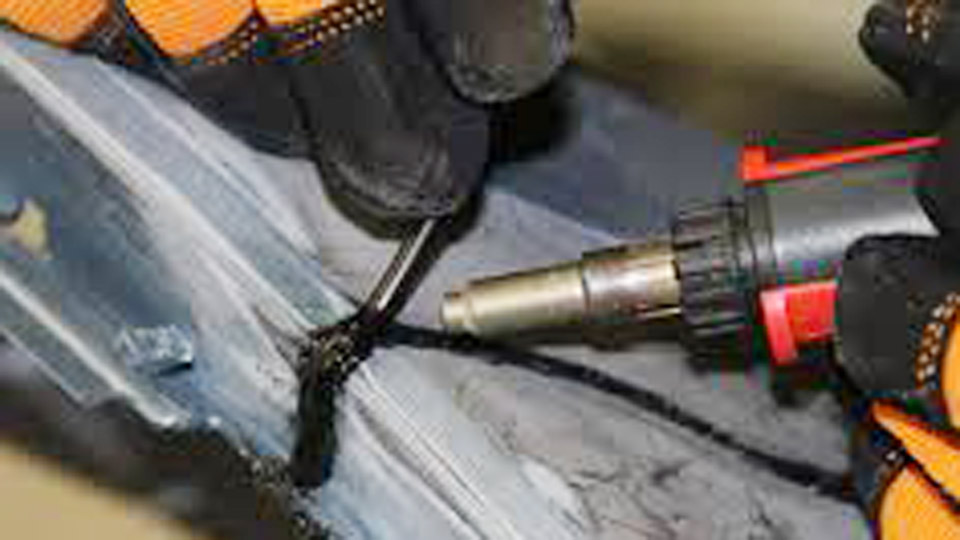
Image by machining-custom
Why Plastic Welding Matters for Welders
Thermoplastics like HDPE, PP, PVC, and ABS can be melted and fused because their polymer chains intertwine when heated to the right temperature and pressure. Unlike thermosets, which char or degrade, thermoplastics allow repeated melting.
This enables repairs on automotive parts, chemical tanks, plumbing, and prototypes that would otherwise require full replacement.
The process demands precise control. Incorrect temperature causes burning, weak fusion, or distortion. Proper execution creates molecular bonds rivaling the base material.
Professionals and hobbyists benefit from lower costs, faster turnaround, and stronger results than glues or mechanical fasteners in many applications.
Material Compatibility in Plastic Welding
Identifying Weldable Plastics
Focus on thermoplastics. Common weldable types include:
- Polyethylene (HDPE/LDPE): Used in tanks, pipes, and bottles. High chemical resistance.
- Polypropylene (PP): Found in automotive bumpers and battery cases. Good fatigue resistance.
- PVC (Rigid and Flexible): Common in pipes and signage. Requires careful temperature control.
- ABS: Used in dashboards and enclosures. Strong but sensitive to solvents.
Thermosets like epoxy or phenolics cannot be welded; they degrade instead. Always verify material type using burn tests, density, or markings.
Incompatible Combinations and Risks
Welding dissimilar plastics rarely succeeds. HDPE and PP may bond weakly under specific conditions but lack full molecular integration. ABS and PVC often produce brittle joints due to differing melt flows and thermal expansion.
Test small samples first. Mismatched materials lead to delamination under thermal cycling or mechanical stress. For structural applications, stick to identical base materials for filler rods and parent parts.
Hot Air Welding: The Go-To Method for Repairs
Equipment Setup and Parameters
Hot air welding uses a heat gun with adjustable temperature and airflow, plus matching filler rods. Typical setups include:
- Temperature range: 220–380°C depending on material.
- Airflow: 40–60 liters per minute for control.
- Nozzle types: Tacking, round, or speed welding nozzles.
For HDPE, set gun temperature around 300–320°C. PP needs 305–315°C. PVC requires 330–360°C. Overheating PVC releases harmful fumes, so use proper ventilation and nitrogen where possible for sensitive materials.
Technique for Strong Joints
Prepare surfaces by cleaning with isopropyl alcohol or acetone and beveling edges at 60–70 degrees for V-grooves on thicker sections (>3mm). Tack the joint first with a narrow nozzle to align parts.
Feed the filler rod at a consistent angle (typically 45–90 degrees to the weld direction) while maintaining even heat. Travel speed matters: too slow overheats; too fast under-melts. Apply slight pressure to ensure fusion without voids.
For multi-pass welds on thick material, build layers gradually, allowing partial cooling between passes to minimize distortion.
Extrusion Welding for Thicker Sections
When to Choose Extrusion Over Hot Air
Extrusion welding suits sections thicker than 6mm or when high deposition rates are needed, such as large tank repairs or structural fabrication. It extrudes molten plastic directly into the joint, reducing passes and residual stress compared to manual rod feeding.
Settings and Process Control
Extruders operate at slightly lower temperatures than hot air guns for the base (around 210–280°C for HDPE/PP) because the extrudate is pre-melted. Match extruder output speed to travel speed for uniform bead height.
Key variables:
- Preheat temperature for substrate.
- Extrudate temperature.
- Pressure applied via shoe or manual consolidation.
- Cooling rate—avoid forced air to prevent cracking.
This method produces denser welds with better penetration for load-bearing applications.
Ultrasonic and Advanced Plastic Welding Methods
Ultrasonic Welding Principles
Ultrasonic welding generates frictional heat through high-frequency vibrations (15–40 kHz). It excels for small, precise parts like medical devices or electronics housings where direct heat application risks damage.
Parameters include amplitude, pressure (typically 0.5–5 bar), weld time (0.1–2 seconds), and hold time. Energy directors—triangular ridges molded into one part—focus heat at the joint interface.
This process is fast, clean, and repeatable but requires specialized fixtures and is less practical for field repairs.
Other Industrial Techniques
- Laser Welding: Precise for transparent or absorbent plastics; minimal heat-affected zone.
- Hot Plate Welding: Good for large flat surfaces like pipes or panels.
- Spin/Friction Welding: Ideal for circular parts; heat from rotational friction.
- Solvent Welding: Chemical fusion for compatible plastics like PVC or ABS using solvents such as THF or MEK. Not true thermal welding but effective for low-pressure applications.
Choose based on part geometry, production volume, and required strength.
Filler Rod Selection and Weld Preparation
Select rods of identical material and grade to the base plastic. Diameter typically ranges from 3–5mm for manual welding. Profile shapes (round, triangular) affect flow and application.
Surface preparation is critical:
- Remove contaminants, oxides, and moisture.
- Bevel thick edges for proper fusion depth.
- Dry materials if hygroscopic (e.g., some nylons).
Poor preparation causes porosity, inclusions, or lack of fusion—common failure points in plastic welds.
Testing and Quality Control for Plastic Welds
Non-Destructive Inspection
Visual checks look for uniform bead, no cracks, voids, or discoloration. Spark testing or vacuum box testing detects leaks in tanks and liners. Ultrasonic thickness gauges or shearography can identify internal defects in critical applications.
Destructive Testing Methods
Bend tests, tensile pulls, and impact tests quantify strength. A good weld should fail in the base material, not the joint. For pressure vessels, hydrostatic testing at 1.5–2x operating pressure verifies integrity.
Document parameters for each job—temperature, speed, rod type—for traceability and process improvement.
Common Challenges and Technical Solutions
Warpage occurs from uneven heating or rapid cooling. Mitigate with clamping, balanced welding sequences, or post-weld annealing.
Moisture absorption in materials like nylon creates steam voids. Preheat and dry parts thoroughly.
Material thickness affects heat input. Thin sheets (<2mm) risk burn-through; use lower temperatures and faster travel. Thick sections need multiple passes or extrusion.
Chemical exposure post-weld can degrade joints if incompatible fillers are used. Match resistance ratings carefully.
Applications Across Industries
Automotive repairs frequently use plastic welding for bumpers, brackets, and fluid reservoirs. Construction applies it to geomembranes, piping, and roofing. Manufacturing employs it for custom enclosures, prototypes, and assembly of consumer goods.
Marine and chemical industries rely on it for corrosion-resistant tanks and liners where metals fail. Hobbyists fabricate RC vehicle parts, aquariums, and drone frames with portable setups.
Choosing the Right Approach for Your Project
Evaluate thickness, accessibility, load requirements, and environment. For quick field repairs on thin ABS or PP, hot air with proper rods suffices. Structural HDPE tanks demand extrusion or multi-pass techniques with rigorous testing.
Consider equipment investment against frequency of use. Portable hot air kits serve most DIY and repair needs, while automated ultrasonic or laser systems justify costs in production.
Always prioritize material compatibility and parameter control over speed.
Performance Takeaway
Successful plastic welding hinges on matching thermal properties and applying controlled heat and pressure for molecular entanglement. Pros achieve near-parent strength by mastering one technique deeply—such as optimizing hot air parameters for specific plastics—before expanding to others.
This focused expertise separates functional repairs from high-performance fabrications that endure real-world stresses.
FAQ
Can you weld different types of plastic together?
Generally no for strong, durable results. Dissimilar plastics have incompatible melt temperatures and chemistry, leading to weak or brittle joints. Exceptions like some PE-PP combinations exist but require testing and are not recommended for critical applications. Use identical materials for best performance.
What tools do I need to start plastic welding?
A variable-temperature hot air welder (heat gun), matching filler rods, cleaning solvents, and beveling tools cover most repairs. Add clamps, nozzles, and a speed welding attachment for efficiency. For frequent thick-section work, consider an extrusion welder.
How strong is a plastic weld compared to the original material?
Properly executed welds on compatible thermoplastics can reach 80–100% of base material strength in tension and bend tests. Factors like surface prep, parameters, and cooling determine results. Always test for your specific conditions.
Is plastic welding safe for food-grade or pressure applications?
Yes, when using approved materials, rods, and processes with proper testing. Food-contact plastics require certified welders and materials. Pressure systems need hydrostatic proof testing and may demand third-party certification depending on regulations. Ventilation is essential to manage fumes.