Desoldering becomes challenging when standard tools such as solder wick, flux, or a solder sucker are unavailable. Knowing how to desolder without wick, flux, or sucker can help prevent damaged components, lifted PCB pads, and unnecessary rework when repairing electronics, modifying circuits, or recovering parts from old boards.
In real-world soldering and fabrication environments, technicians often encounter situations where access to specialized desoldering supplies is limited. Using the wrong removal method can overheat components, weaken solder joints, and increase the risk of board failure.
Understanding alternative techniques allows you to remove solder more safely while maintaining control over heat and minimizing damage.
I’ll explain practical methods for desoldering with common tools, outlines their limitations, and helps you choose the safest approach based on the type of joint, component, and circuit board you are working with.
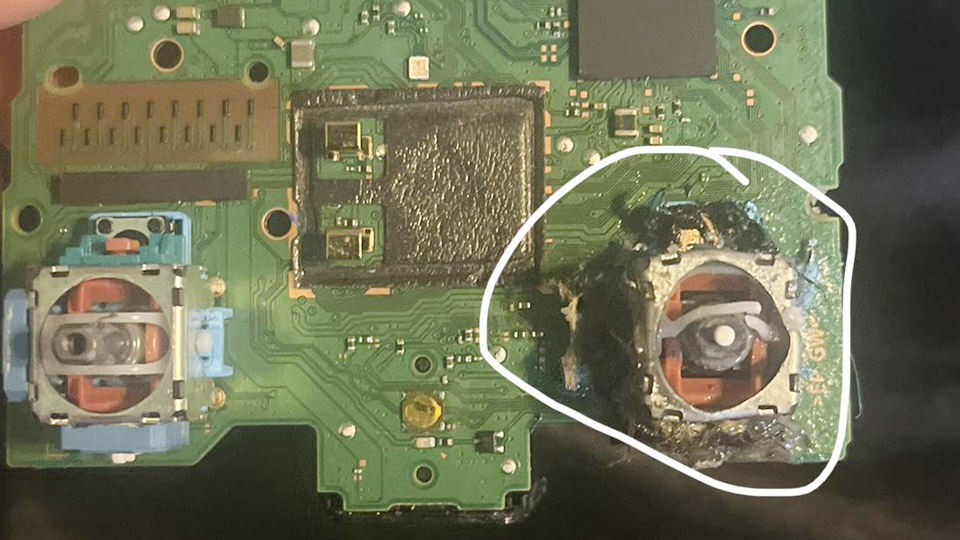
Image by reddit
Heat Management Fundamentals for Tool-Limited Desoldering
Effective desoldering without dedicated tools starts with understanding thermal dynamics on the joint.
Soldering Iron Temperature and Tip Selection
Set the iron to 300–340°C for most leaded joints and 340–380°C for lead-free. Lower temperatures prolong contact time and increase heat soak into the board. Higher settings allow quicker work but demand faster action.
Use a chisel or hoof tip for better heat transfer on larger pads; conical tips suit fine-pitch work. Preheat the iron fully—cold tips cause dragging and uneven melting.
Monitor dwell time: aim for under 5 seconds per joint to avoid damaging components or boards. On multi-layer PCBs, heat conducts slower through vias, requiring slightly longer contact or pre-tinning the tip with fresh solder for improved transfer.
Preheating Strategies Without Flux
Add a small amount of fresh solder to the existing joint before full desoldering. This refreshes oxidized solder, lowering the effective melting point and improving flow. Touch the iron to the joint, feed a tiny bit of solder (0.5–1mm), and let it alloy with the old joint. This technique compensates for missing flux by enhancing wettability.
For through-hole parts with leads on both sides, preheat the opposite side of the board using a secondary iron or controlled heat source if available. This equalizes temperature gradients.
Mechanical Removal Techniques Using Only Iron and Tools
These methods leverage physical force once solder reaches liquidus state.
Wiggle and Pull Method for Through-Hole Components
Heat one joint until solder melts, then gently rock the component lead side-to-side with tweezers or pliers while maintaining heat. The motion shears the solder fillet from hole walls. Repeat for each pin, alternating to prevent overheating any single area. For ICs or connectors with many pins, heat adjacent pins sequentially and apply light upward pressure.
On stubborn joints, flood multiple pins with fresh solder to create a single molten pool, then extract the entire component in one motion. This works well for headers or relays but risks board damage if traces are weak.
Shake and Flick Technique for Excess Solder
Heat the joint thoroughly, then sharply flick the board downward (away from your body) while solder remains molten. Momentum ejects the liquid solder. Practice on scrap first—protect nearby components with heat-resistant tape. This clears pads quickly but scatters solder droplets, requiring cleanup. Use eye protection and avoid nylon surfaces.
Limit to situations with generous solder volume. Combine with the wiggle method for cleaner results on dense boards.
Improvised Wicking with Common Materials
Create effective wicking without commercial braid.
Stranded Copper Wire as Desoldering Braid
Strip 10–15cm of fine stranded copper wire from household cable (18–24 AWG works best). Twist strands lightly to form a braid-like bundle. Heat the joint and press the wire end against it—the copper draws molten solder via capillary action. Cut off saturated sections and repeat.
This substitute matches commercial wick performance on small joints. Thicker wire handles larger blobs effectively. Pre-twist tightly for better control.
Aluminum Foil or Other Conductors
Fold thin aluminum foil into a narrow strip and use similarly to copper wire. It conducts heat but wicks less efficiently. Reserve for quick pad cleanup after primary removal.
Hot Air and Alternative Heat Source Approaches
Expand capabilities with accessible heat tools.
Improvised Hot Air Desoldering
Use a heat gun on low setting (around 300–350°C) directed at the component underside while gently pulling from the top. Shield surrounding areas with Kapton tape or aluminum foil masks to prevent collateral heating. This excels for multi-pin SMD or through-hole arrays.
Maintain 5–10cm distance and constant motion. Monitor for board warping on thin FR4.
Torch and Plate Methods for Bulk Removal
For non-critical boards, a small butane torch heats from below while pulling components with pliers. Control is limited—use only when salvaging parts and discarding the board. A household hot plate or skillet preheated to 250–300°C achieves similar results for entire sections.
These bulk methods suit high-volume salvage but destroy fine traces.
Component-Specific Desoldering Strategies
Adapt techniques to different part types.
Desoldering ICs and Multi-Pin Devices
Bridge all pins with fresh solder to form one large pool. Heat the pool while lifting with a small screwdriver or IC puller. For SOIC or QFP packages, work opposite corners first to equalize stress. Desolder in stages if heat builds excessively.
Handling Connectors and Large Components
Large connectors benefit from the wire-wick method along pin rows. Lay a single copper strand across multiple pins, heat the center, and allow solder to migrate. This clears multiple joints simultaneously.
For transformers or relays, apply heat to all mounting tabs sequentially while applying gentle torque.
Pad Cleanup and Post-Desoldering Processes
After component removal, clean residual solder.
Iron-Only Pad Resurfacing
Melt remaining solder and drag it to an adjacent unused pad or scrap area. Repeat until pads appear clean. Use the iron tip edge to scrape lightly—avoid gouging copper. Fresh solder addition helps gather stubborn remnants.
Preventing and Repairing Damage
Monitor for lifted pads by checking continuity before and after work. If a pad lifts, bridge to the nearest via or run a jumper wire. On damaged traces, scrape solder mask and tin a repair path.
Advanced Decision-Making for Real-World Scenarios
Choose methods based on context. In a professional repair, prioritize the copper wire technique for precision and reusability. Hobbyists benefit from mechanical wiggle methods on simple boards. Students gain most from temperature control practice, as it transfers directly to welding parameter selection.
| Scenario | Recommended Method | Temperature Range | Risk Level | Best For |
|---|---|---|---|---|
| Single through-hole | Wiggle + Pull | 300–340°C | Low | Resistors, caps |
| Multi-pin IC | Flood + Extract | 320–360°C | Medium | DIP, headers |
| Pad cleanup | Copper wire wicking | 300–330°C | Low | All |
| Bulk salvage | Hot plate / Torch | 250–300°C | High | Non-critical |
| Dense SMD | Improvised hot air | 300–350°C | Medium | QFP, connectors |
Final Thoughts
These techniques enable confident work in resource-limited environments. The core decision always returns to balancing heat input against mechanical force—master this, and you handle complex desoldering challenges effectively, whether on a PCB or integrating with broader metal fabrication tasks.
The real pro insight lies in recognizing when to sacrifice a board to save a rare component, or vice versa, based on project priorities and material costs.
FAQ
Can I desolder using only a soldering iron and no other supplies?
Yes. Rely on the wiggle-and-pull or shake techniques combined with fresh solder addition. Control heat strictly below 5 seconds per joint.
What household item works best as a wick substitute?
Stranded copper wire from power cords or Ethernet cable provides reliable capillary action. Twist strands for optimal performance.
How do I avoid lifting pads without flux?
Use minimal dwell time, proper tip selection, and add fresh solder to lower melting requirements. Work in short cycles with cooling periods.
Is hot air always better than iron-only methods?
Hot air excels for multi-pin parts but requires more setup. Iron methods offer better localization for single joints and fine control.
How to desolder without damaging the component for reuse?
Minimize total heat exposure by heating all connections near-simultaneously where possible. Use mechanical assistance immediately after melting.