Choosing the wrong metal-joining process produces immediate failures: a soldered structural bracket that shears under load, a brazed joint that softens in high-temperature service, or a welded thin-wall tube that warps beyond use.
The confusion around Soldering vs Brazing vs Welding: What’s the Difference? stems from overlapping equipment and loosely applied shop language, yet the processes operate under fundamentally different temperature rules, bonding mechanisms, and strength limits.
Selecting incorrectly wastes material, creates safety risks on load-bearing or pressure-containing assemblies, and can force costly rework.
Understanding the precise boundaries—especially the 450 °C (840 °F) filler liquidus line and whether the base metal melts—lets fabricators, DIY welders, and technicians match process capability to joint requirements without guesswork.
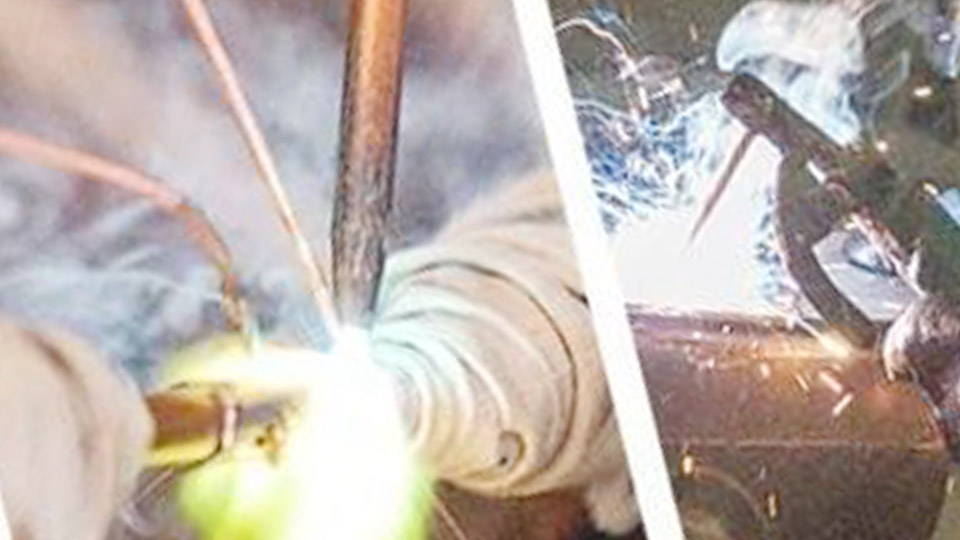
Image by yeswelder
Temperature Thresholds That Define Each Process
Temperature is the single clearest separator. The American Welding Society draws a hard line at the liquidus temperature of the filler metal.
The 450 °C (840 °F) Boundary Between Soldering and Brazing
Soldering uses filler metals whose liquidus stays below 450 °C (840 °F). Common tin-lead, tin-silver, or lead-free alloys melt in the 180–400 °C range. Brazing requires fillers whose liquidus exceeds 450 °C while remaining below the solidus of the base metals.
Silver-based (BAg), copper-phosphorus (BCuP), and aluminum-silicon alloys typically operate between 620 °C and 1 100 °C. Crossing that threshold changes both the metallurgical interaction and the resulting mechanical properties.
Welding Temperatures and Base-Metal Melting
Welding heats the joint high enough to melt the base metals themselves. Arc processes routinely exceed 3 000 °C at the electrode tip; oxy-fuel welding reaches temperatures sufficient to melt steel (approximately 1 370–1 510 °C solidus-liquidus).
The base metal liquefies, mixes with any filler, and solidifies into a continuous fusion zone. No capillary gap is required because the parent materials themselves form the joint.
Practical Heat-Source Implications
Soldering can be performed with an iron, hot air, or modest torch. Brazing commonly uses oxy-fuel, air-fuel, induction, or furnace heat. Welding demands concentrated energy sources—arc, plasma, or high-output oxy-acetylene—capable of producing a molten pool. The energy density difference directly controls heat-affected zone size and residual stress.
How Joint Formation and Bond Strength Differ
The bonding mechanism determines both strength ceiling and joint design rules.
Capillary Action in Soldering and Brazing
Both soldering and brazing rely on capillary flow of molten filler into a narrow gap (typically 0.025–0.25 mm / 0.001–0.010 in). The filler wets the solid base-metal surfaces and solidifies, creating a metallurgical bond through diffusion at the interface. Joint strength therefore depends on the shear area of the lap or sleeve rather than on a fused cross-section.
Well-designed brazed lap joints routinely reach 40 000–100 000 psi tensile strength with silver or nickel fillers and can exceed the strength of the thinner base metal when the overlap is three times the thickness (AWS 3-T rule). Soft-solder joints remain in the 1 000–15 000 psi range and serve electrical or low-mechanical loads only.
Fusion Bonding in Welding
Welding melts the base metals so that the joint becomes a continuous piece of the same alloy family. Tensile strength of a properly executed weld routinely matches or exceeds the base-metal tensile strength (for example, 70 ksi E7018 deposit on A36 steel).
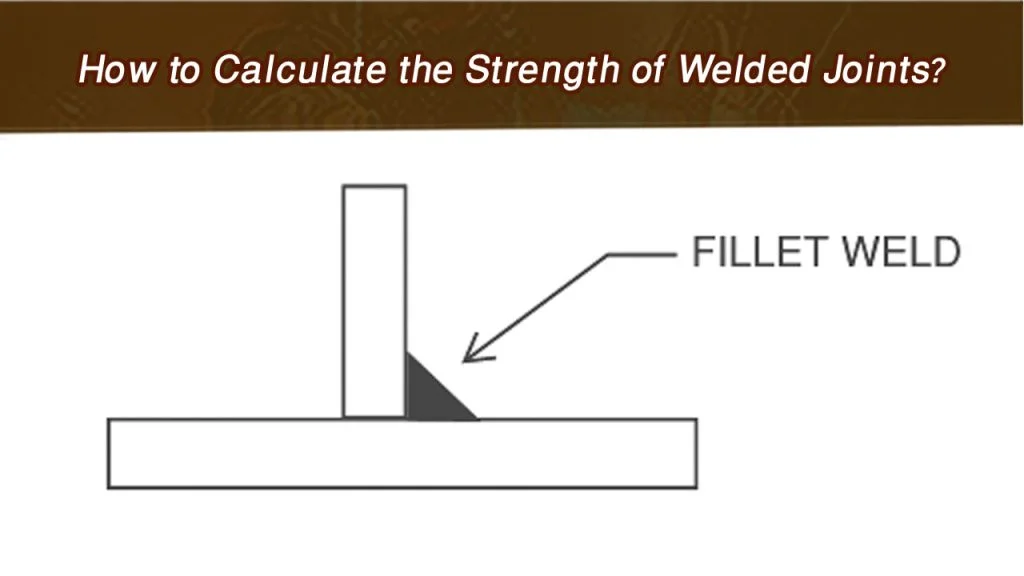
The joint can carry tensile, bending, and fatigue loads in butt, fillet, or groove configurations without relying on overlap area. Heat-affected zone metallurgy becomes the limiting factor rather than filler strength.
Service-Temperature Limits
Soldered joints lose strength rapidly above 100–150 °C. Brazed joints retain useful strength up to the filler solidus minus a safety margin—often 400–800 °C depending on alloy. Welded joints operate at the service limit of the base metal itself.
Material Compatibility and Dissimilar-Metal Decisions
Process selection changes dramatically when the two members differ in composition or melting point.
Welding Limitations with Dissimilar Alloys
Fusion welding of dissimilar metals produces dilution zones that can form brittle intermetallics (copper–steel, aluminum–steel, stainless–carbon steel). Successful joints require carefully matched fillers, buttering layers, or specialized processes such as explosion welding or friction stir. Many combinations remain impractical for production.
Brazing and Soldering Advantages for Dissimilar Combinations
Because the base metals stay solid, brazing and soldering avoid dilution problems. Silver-brazing alloys join copper to steel, stainless to brass, or carbide tips to tool steel with high reliability. Aluminum-silicon fillers join aluminum to copper in heat-exchanger work.
Soft solders join copper to brass or electronic leads to circuit-board pads. Clearance control and flux selection become the critical variables rather than metallurgical compatibility of the molten pool.
Thin-Section and Heat-Sensitive Materials
Thin-wall tubing, sheet under 1.5 mm, and heat-treated or cold-worked alloys suffer excessive distortion or property loss under welding heat. Brazing and soldering keep peak temperatures lower and heat input localized, preserving temper and dimensional accuracy.
Heat Input, Distortion, and Base-Metal Property Retention
Heat-Affected Zone Formation
Welding creates a distinct heat-affected zone where base-metal microstructure changes—grain growth, tempering, or hardening. High-carbon steels may require preheat and post-weld heat treatment to avoid cracking. Brazing produces only a shallow diffusion zone; soldering produces essentially none.
Components that must retain original hardness, corrosion resistance, or dimensional stability favor the lower-temperature processes.
Distortion Control
High localized heat in welding generates residual stresses and angular distortion, especially on thin plate or long seams. Brazing and soldering introduce far lower thermal gradients, allowing tighter tolerances and reduced fixturing force. Furnace brazing of complex assemblies can join multiple joints simultaneously with minimal distortion.
Annealing Effects During Brazing
Even though base metals do not melt, copper tube softens when heated into the brazing range (above approximately 600 °C). Designers must account for the reduction in allowable working pressure of annealed copper compared with hard-drawn temper. Soldering temperatures remain low enough that copper retains most of its original strength.
Application-Based Selection Criteria
Structural and High-Load Assemblies
Frames, pressure vessels, bridges, and load-bearing brackets require the continuous fusion strength of welding. Codes such as AWS D1.1 or ASME Section IX mandate qualified welding procedures for these applications.
Pressure-Containing Tubing and HVAC
Copper and aluminum refrigeration lines, hydraulic fittings, and heat exchangers rely on brazing for leak-tight, moderate-strength joints that tolerate vibration and thermal cycling. Silver or copper-phosphorus fillers provide the necessary integrity without melting thin walls.
Electrical and Low-Mechanical Joints
Printed-circuit boards, wiring terminations, and instrument plumbing use soldering. Electrical conductivity and reworkability outweigh mechanical strength. Soft solders remain the only practical choice for temperature-sensitive electronic components.
Tooling, Carbide Tips, and Dissimilar Assemblies
Cutting-tool inserts, wear surfaces, and mixed-metal fabrications commonly use brazing because welding would destroy the hardfacing or create brittle interfaces.
Equipment, Skill, and Joint-Design Requirements
Clearance and Fit-Up Rules
Soldering and brazing demand controlled capillary gaps. Excess clearance prevents filler flow; insufficient clearance restricts it. Welding tolerates larger root openings and relies on penetration and fusion rather than capillary action. Joint design therefore shifts from lap/sleeve geometry (brazing/soldering) to butt or fillet geometry (welding).
Skill and Process Control
Soldering requires basic heat and flux control. Brazing adds clearance management, flux selection, and temperature judgment to avoid overheating.
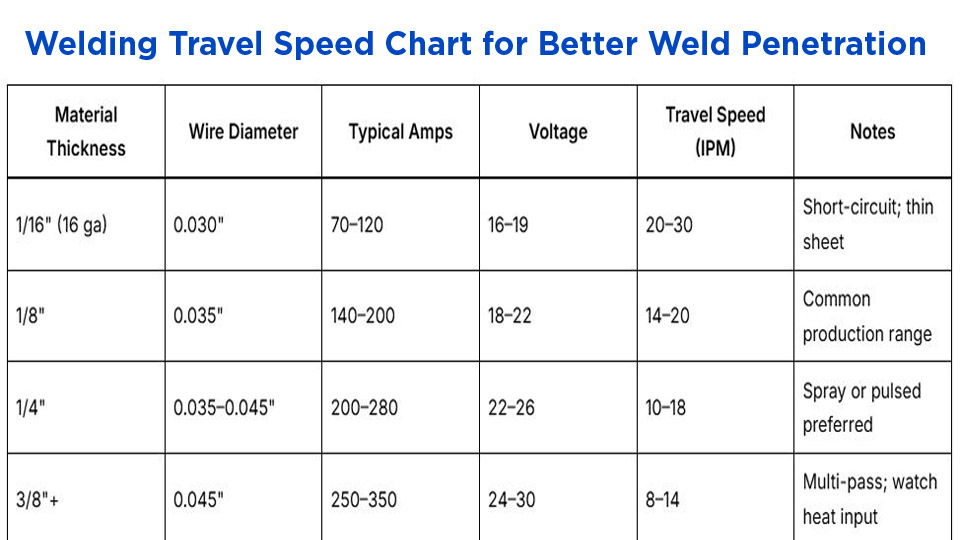
Welding demands arc control, travel speed, and metallurgical understanding of the specific process and base metal. Qualification requirements escalate accordingly—AWS B2.3 for soldering procedures, B2.2 for brazing, and Section IX or D1.1 for welding.
Consumable and Flux Choices
Soft solders pair with organic or inorganic fluxes matched to the alloy. Brazing fluxes must remain active at higher temperatures and protect against oxidation. Welding may use slag-forming coatings, shielding gas, or self-shielded wires. Matching filler chemistry to base metal and service environment remains non-negotiable in all three processes.
Wrapping Up
Selecting among soldering, brazing, and welding reduces to three technical questions: Does the joint require base-metal fusion strength? Must the base metals remain solid and undistorted? Will the service temperature or load exceed the filler’s capability? Answer those correctly and the process choice follows directly.
Advanced fabricators further refine the decision by calculating required overlap area for capillary joints or by mapping heat-affected-zone hardness on critical welded sections, ensuring the finished assembly meets both mechanical and metallurgical performance targets under real operating conditions.
FAQs
Is brazing stronger than soldering?
Yes. Brazed joints typically develop 20 000–100 000 psi tensile strength depending on filler and design, while soft-solder joints remain in the low thousands of psi and are limited to electrical or light mechanical service.
Can you weld copper pipe instead of brazing it?
Technically possible with TIG or specialized processes, but impractical for thin-wall tubing because of burn-through risk and loss of dimensional control. Brazing remains the standard for copper refrigeration and plumbing lines.
What temperature separates soldering from brazing?
AWS defines the boundary at a filler-metal liquidus of 450 °C (840 °F). Below that temperature the process is soldering; above it (and below base-metal solidus) the process is brazing.
When should I choose welding over brazing for steel?
Choose welding whenever the joint must carry high tensile or bending loads, when code requires fusion welding, or when the section thickness exceeds the practical limit for capillary joint design.