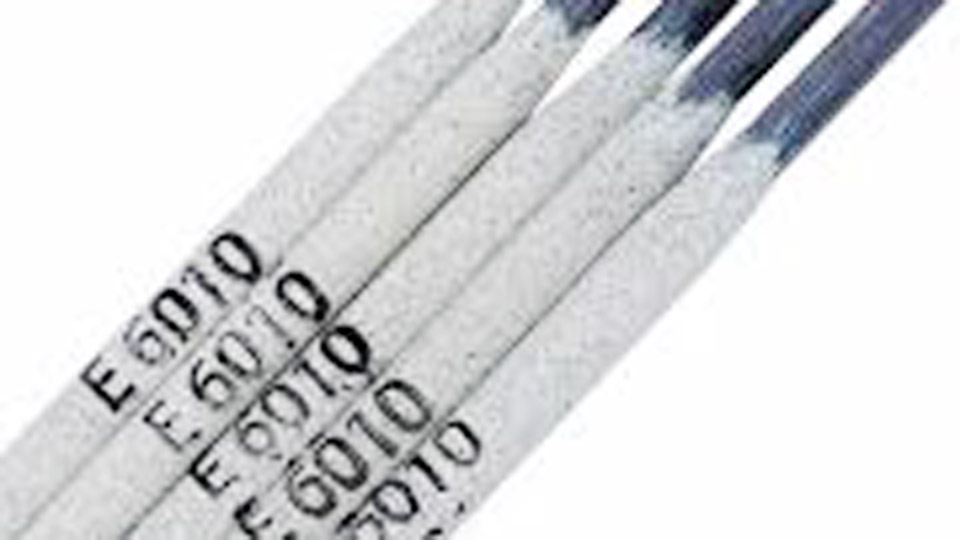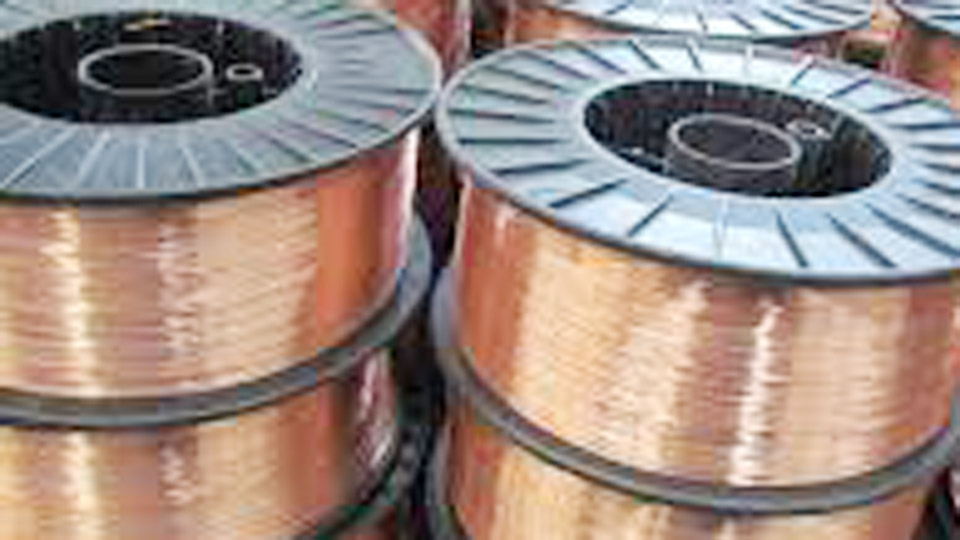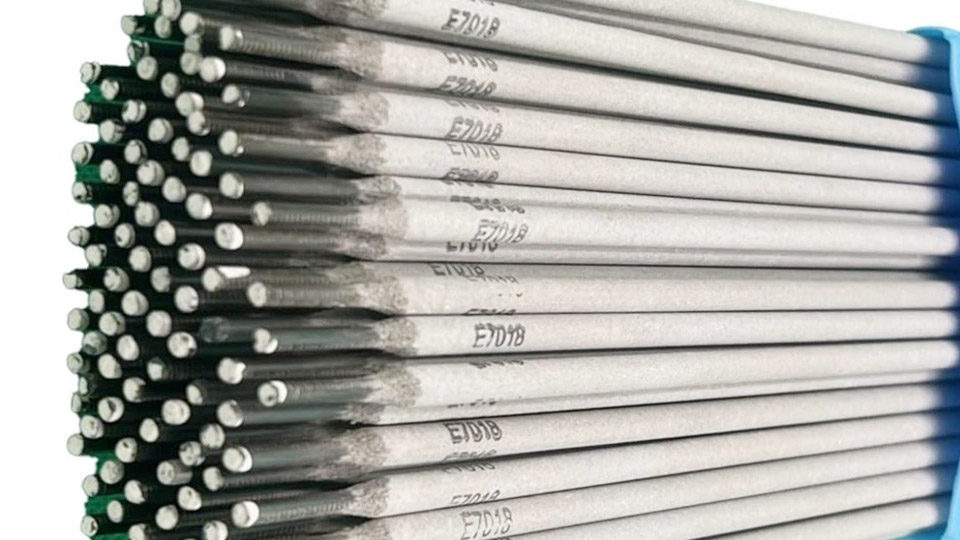
Choosing what are the best welding rods for mild steel depends on more than the rod’s popularity. Electrode type directly affects arc stability, penetration, slag removal, deposition rate, and the finished weld’s mechanical strength.
Using the wrong rod for the material thickness, joint design, or welding position can lead to poor fusion, excessive spatter, unnecessary grinding, and costly rework.
Mild steel is compatible with several common electrodes, but each is designed for different fabrication and repair conditions, making rod selection a practical welding decision rather than a one-size-fits-all choice.
Understanding how rods such as 6010, 6011, 6013, and 7018 perform under different conditions helps improve weld quality, reduce defects, and increase efficiency. With the right electrode, you can achieve stronger, cleaner welds while matching your welding process to the demands of the job.
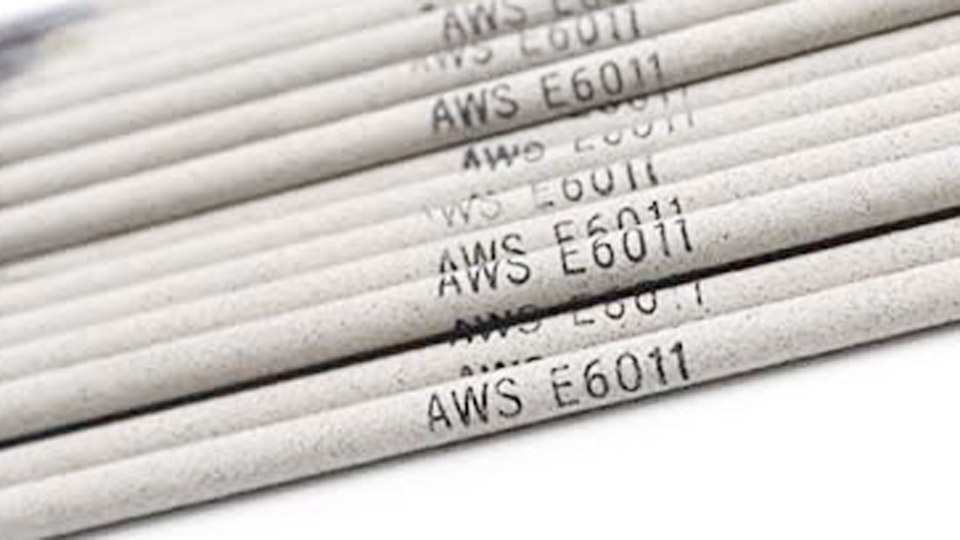
Image by made-in-china
Understanding AWS Electrode Classifications for Mild Steel
Breaking Down the AWS Numbering System
The American Welding Society (AWS) classification system provides immediate insight into electrode capabilities. For mild steel SMAW (stick) electrodes:
- E stands for electrode.
- The first two digits (e.g., 60 or 70) indicate minimum tensile strength in ksi (60,000 or 70,000 psi).
- The third digit (1 or 2) specifies welding positions: 1 for all positions, 2 for flat and horizontal only.
- The last digit(s) define coating type, usability, polarity, and performance characteristics.
For example, E7018 offers 70 ksi tensile strength, all-position capability, and a low-hydrogen iron-powder coating suitable for AC or DCEP. This system eliminates guesswork when matching rod to application.
Key Coating Types and Their Effects on Mild Steel Welds
Cellulosic coatings (E6010, E6011) produce a forceful, digging arc with deep penetration and fast-freeze slag. They excel on contaminated surfaces but generate higher hydrogen levels.
Rutile (titania) coatings (E6013) yield a smooth, stable arc with shallow-to-moderate penetration, low spatter, and easy slag removal—ideal for clean mild steel and beginners.
Low-hydrogen coatings (E7018) minimize cracking risk in thicker sections or higher-strength mild steels through iron powder additions that boost deposition while keeping diffusible hydrogen low (typically under 8 ml/100g).
Iron-powder rutile types (E7014, E7024) increase deposition rates for faster travel speeds in flat/horizontal positions.
Top Welding Rods for Mild Steel: Performance Comparison
E6013: Beginner-Friendly and Versatile for Light Fabrication
E6013 delivers a soft, forgiving arc with minimal spatter and excellent bead appearance on clean mild steel. It supports AC or DC (DCEP/DCEN) and works in all positions, though it performs best flat and horizontal.
Recommended amperage (approximate, adjust per manufacturer and test):
- 3/32″: 45–90 A
- 1/8″: 80–130 A
- 5/32″: 105–180 A
Use E6013 on sheet metal up to 3/16″ thick, auto body repairs, ornamental work, and general hobby projects. Its shallow penetration prevents burn-through on thin material while producing aesthetically pleasing ripples. Slag releases easily, reducing post-weld cleanup.
Limitations include lower tensile strength (60 ksi) and poor performance on rusty or dirty surfaces. Avoid for structural or load-bearing applications.
E7018: The Structural Workhorse for Higher Strength and Toughness
E7018 stands as the go-to low-hydrogen rod for professional mild steel welding. It provides 70 ksi tensile strength, good ductility, and crack resistance due to controlled hydrogen levels.
It runs smoothly on AC or DCEP (DC+ preferred), with medium penetration and heavy slag that requires more cleanup. Store rods in a dry oven or sealed container to maintain low-hydrogen properties.
Amperage ranges:
- 3/32″: 70–110 A
- 1/8″: 90–160 A
- 5/32″: 130–220 A
Ideal for thicker mild steel (3/16″ and up), structural fabrication, pressure vessels, and code work. The iron powder in the coating increases deposition, supporting multi-pass welds with excellent toughness.
E6011: Reliable for Dirty or Rusty Mild Steel Repairs
E6011 offers deep penetration similar to E6010 but runs on AC or DC, making it more versatile for home shops with basic machines. Its cellulosic coating handles rust, paint, and mill scale effectively.
Amperage:
- 3/32″: 40–85 A
- 1/8″: 75–125 A
- 5/32″: 110–165 A
Best for farm equipment repairs, maintenance on outdoor structures, and situations with imperfect surface prep. Fast-freeze slag supports all-position welding, including vertical and overhead.
E6010: Deep Penetration for Root Passes and Pipe
E6010 requires DC+ only and delivers the most aggressive digging arc. It suits open-root pipe welds and root passes on mild steel where full penetration from one side is critical.
Use sparingly on thin material to avoid burn-through. Amperage mirrors E6011 but test starts lower due to its forceful nature.
E7014 and E7024: High-Deposition Options for Production
E7014 provides easier arc control than E7018 with moderate penetration for general fabrication. E7024 excels in flat/horizontal positions with very high deposition rates for heavy fillets and production work.
Matching Rods to Mild Steel Thickness and Joint Type
Thin Mild Steel (Under 1/8″ / 3 mm)
Prioritize E6013 for its gentle arc and low heat input. Use 3/32″ or 1/8″ diameter rods at the lower end of amperage ranges. Maintain short arc length (1/16″–1/8″) and travel speed to prevent distortion or holes. Lap joints and fillets work well; prepare edges for tight fit-up.
Medium Thickness (1/8″ to 1/4″ / 3–6 mm)
E7018 or E6011 offer balanced performance. For clean material, E7018 provides superior strength. For variable conditions, E6011 cuts through contaminants. Bevel joints for thicknesses approaching 1/4″ to ensure fusion.
Thick Mild Steel (Over 1/4″ / 6 mm)
Switch to E7018 with larger diameters (5/32″ or 3/16″). Multi-pass techniques with proper interpass cleaning and temperature control (preheat 200–300°F for sections over 1/2″) minimize cracking. Higher tensile strength matches or exceeds base metal requirements.
Position-Specific Considerations
All-position rods (E6011, E6013, E7018) require technique adjustments:
- Vertical-up: Reduce amperage 10–15% and use weaving or whipping motion for puddle control.
- Overhead: Smaller diameter rods and tighter arc prevent dripping.
- Flat/Horizontal: E7024 maximizes speed and fill.
Amperage Settings, Polarity, and Machine Compatibility
Correct settings prevent common issues like sticking, undercut, or porosity. General rule: ~1 amp per 0.001″ of rod diameter as a starting point (e.g., 1/8″ ≈ 125 A), then fine-tune.
| Rod | Diameter | Typical Amperage Range (Mild Steel) | Preferred Polarity |
|---|---|---|---|
| E6013 | 1/8″ | 80–130 A | AC/DC± |
| E7018 | 1/8″ | 90–160 A | DC+/AC |
| E6011 | 1/8″ | 75–125 A | AC/DC+ |
| E7024 | 1/8″ | 140–190 A | AC/DC |
Test on scrap identical to the workpiece. DC+ generally provides deeper penetration; AC offers smoother arcs on some machines. Inverter welders provide better arc stability than older transformers.
Surface Preparation and Technique Factors
Clean surfaces enhance results with rutile and low-hydrogen rods. For E6011/E6010, minimal cleaning suffices. Grind or wire-brush rust, paint, oil, and mill scale for E6013 and E7018 to avoid porosity.
Maintain consistent arc length (roughly equal to rod diameter), travel angle (10–15° drag or push), and work angle (perpendicular or slight push). Stringer beads suit most mild steel; weave for wider fillets.
Advanced Considerations: Storage, Multi-Pass, and Code Work
Low-hydrogen rods like E7018 demand strict storage—re-bake if exposed to moisture. For critical applications, follow WPS (Welding Procedure Specifications) and use rods with H4 or H8 designations for lowest hydrogen.
In multi-pass welds, remove slag completely between passes and control interpass temperature. For high-carbon mild steel variants, E7018 reduces cracking risk.
Real-World Decision Framework
Select based on:
- Thickness and joint design.
- Surface condition.
- Power source availability.
- Required strength and toughness.
- Position and production needs.
Many professionals stock E6013 for light work, E7018 for main fabrication, and E6011 for repairs.
Performance-based Takeaway
The best welding rod for mild steel matches the demands of tensile strength, penetration, and usability to the specific job. Mastering E7018 for structural integrity while keeping E6013 for quick repairs elevates overall welding quality and efficiency.
An advanced insight: In demanding applications, pairing a cellulosic root pass (E6010/6011) with low-hydrogen fill and cap passes (E7018) delivers optimal penetration and toughness in a single joint.
FAQ
What is the best all-around welding rod for mild steel?
E7018 offers the best balance of strength, versatility, and reliability for most professional and serious hobby applications on mild steel.
Is E6013 or E7018 better for beginners?
E6013 is better for beginners due to its easier arc control, lower spatter, and forgiving nature on thin clean mild steel.
Can I weld rusty mild steel with E7018?
E7018 prefers clean surfaces. Use E6011 for rusty or dirty mild steel instead.
What rod works best for thin sheet metal mild steel?
E6013 with smaller diameters (3/32″ or 1/8″) at lower amperages prevents burn-through while providing smooth results.