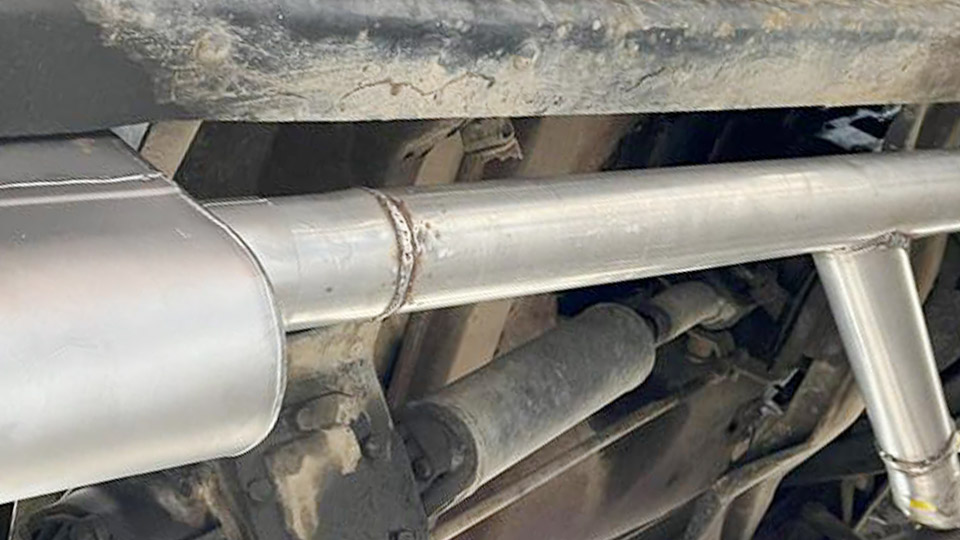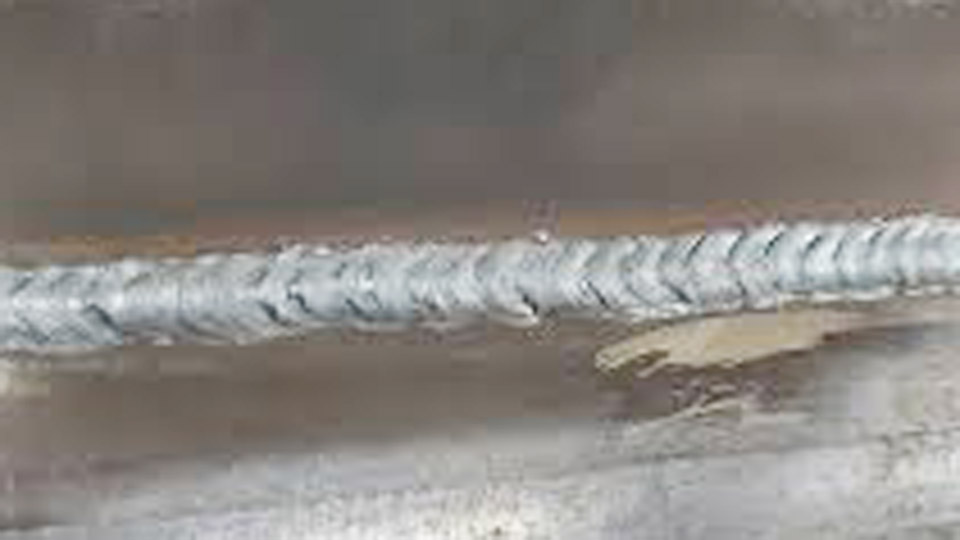
Paint fails on welded steel when residual oils, fingerprints, or cutting fluid remain on the surface. Many fabricators reach for rubbing alcohol as a quick solvent wipe and wonder whether it actually prepares metal correctly.
The short answer is yes—can I use rubbing alcohol to clean metal before painting works for light contamination—but only under specific conditions of concentration, sequence, and contamination level.
Wrong concentration or incomplete evaporation leaves moisture or residue that promotes flash rust or poor primer adhesion.
Correct use removes skin oils and light grease without introducing new problems, which matters on structural fabrications, trailers, and equipment that must hold paint for years under outdoor exposure.
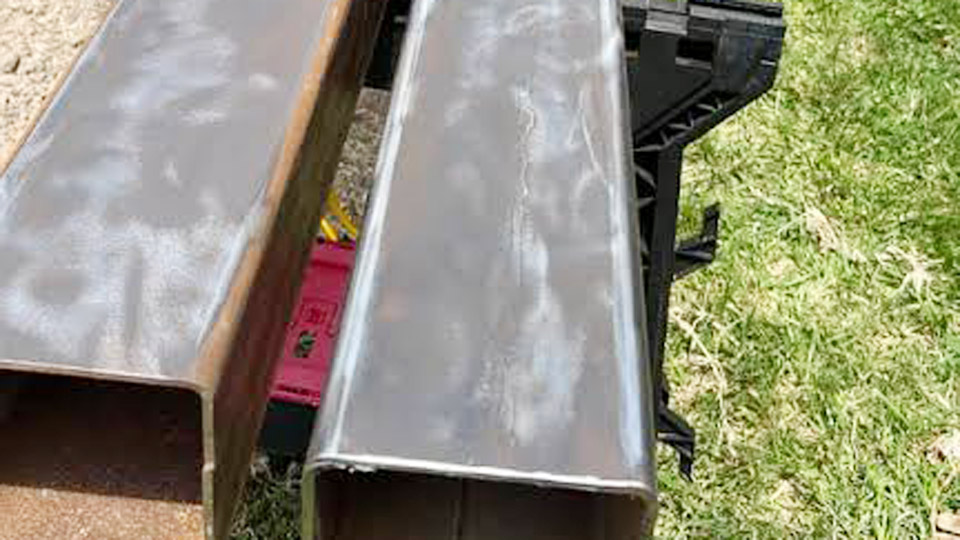
Image by r/metalworking
Does Rubbing Alcohol Remove the Contaminants That Cause Paint Failure?
Rubbing alcohol is isopropyl alcohol (IPA). It dissolves non-polar oils and greases effectively enough for final surface prep on bare metal.
Light Oils and Fingerprints Versus Heavy Residues
IPA breaks down skin oils, light machine oil, and most fingerprints quickly. These contaminants are the most common cause of fish-eyes and adhesion loss under primer.
On freshly ground or sanded weld zones that have only been handled, a thorough IPA wipe often produces a surface clean enough for epoxy or self-etching primer. Heavy cutting oil, press lubricant, or silicone-containing products exceed its solvency. Those require a stronger degreaser first.
Residue Behavior After Evaporation
Pure IPA evaporates completely and leaves no oily film when the surface is wiped correctly. Commercial “rubbing alcohol” formulations sometimes contain small amounts of additives or water.
Any residual film interferes with chemical bonding of the primer. High-purity 91 % or 99 % grades minimize this risk compared with lower concentrations.
70 % Versus 91 % or 99 % Isopropyl Alcohol on Bare Steel
Concentration determines both cleaning power and the risk of introducing moisture.
Water Content and Flash-Rust Risk
Seventy-percent IPA contains roughly 30 % water. When the alcohol evaporates, that water remains on the steel long enough to initiate flash rust, especially in humid shops or on freshly blasted surfaces.
Ninety-one percent and 99 % grades contain far less water and dry faster, reducing the window for corrosion. On critical fabrications, 99 % laboratory-grade IPA is preferred for the final wipe.
Evaporation Rate and Working Time
Higher concentrations flash off more rapidly. This shortens the time available to wipe contaminants away before the solvent dries. Operators compensate by working smaller areas and changing rags frequently so dissolved oils are lifted rather than redeposited.
When Rubbing Alcohol Is Insufficient After Welding
Welded assemblies carry unique contaminants that IPA alone cannot address.
Slag, Mill Scale, and Heat-Tint Removal
Mechanical cleaning must come first. Chip slag, grind or wire-brush mill scale, and remove heat tint or oxide layers. Solvent cleaning over intact scale or slag traps contaminants under the paint film and guarantees early failure. IPA has no chemical ability to dissolve these solid residues.
Cutting Fluids and Anti-Spatter Compounds
Many anti-spatter sprays and coolant residues contain silicones or heavy petroleum fractions. These materials resist IPA. A dedicated wax-and-grease remover or acetone wipe followed by IPA produces a more reliable surface.
How Rubbing Alcohol Compares With Acetone and Denatured Alcohol
Each solvent occupies a different place in the prep sequence.
Acetone as a Stronger Final Solvent
Acetone dissolves a broader range of oils and evaporates even faster than high-purity IPA. It is preferred by many professional shops for the last wipe before primer on bare steel. Acetone also attacks many plastics and some existing coatings more aggressively than IPA, so it requires more care near non-metal components.
Denatured Alcohol Performance
Denatured alcohol (ethanol with additives) removes light oils similarly to IPA and is commonly listed in paint-manufacturer instructions. Some formulations leave a slight residue depending on the denaturants used. IPA or acetone generally provide more consistent results for critical adhesion.
Practical Selection Decision
Use IPA when the contamination is light, the surface is already mechanically clean, and a milder solvent is desired near plastics or previously painted areas. Switch to acetone or a commercial pre-paint solvent when heavier films are present or maximum adhesion is required.
Correct Wipe Technique That Prevents Redeposition
Technique determines whether the solvent actually cleans or merely spreads contaminants.
Rag Selection and Folding Method
Lint-free shop towels or microfiber cloths work best. Fold the cloth into quarters so each face is used only once. Wipe in a single direction rather than circular motions that redistribute dissolved oil. Discard or refold the cloth as soon as the surface being wiped shows soil transfer.
Timing Relative to Primer Application
Apply the solvent wipe immediately before priming. Allow full evaporation—typically one to three minutes depending on temperature and air movement—before spraying. Touching the cleaned surface with bare hands reintroduces fingerprints and defeats the process.
Recommended Cleaning Sequence for Welded Fabrications
A logical order produces consistent results.
Mechanical Cleaning First
Remove all slag, spatter, and scale. Feather grind transitions and create a consistent surface profile if the primer requires it. Blow or vacuum dust thoroughly.
Heavy Degreasing Stage
Apply a dedicated degreaser or acetone to dissolve residual shop oils and anti-spatter. Wipe until rags remain clean.
Final IPA or Acetone Wipe
Perform the last solvent pass with 91 % or 99 % IPA (or acetone). This step removes any remaining light films and fingerprints left by handling during earlier stages. Proceed directly to primer once the surface is dry and free of visible residue.
Paint Systems Most Sensitive to Residual Contamination
Not every coating reacts the same way to incomplete cleaning.
Epoxy and Zinc-Rich Primers
These high-performance systems demand the cleanest possible surface. Residual oil causes localized adhesion loss that appears as blistering or peeling months later. IPA or acetone final wipes are standard practice before these primers.
Self-Etching and Direct-to-Metal Products
Self-etching primers tolerate slightly less perfect surfaces because of their acid component, yet still fail over heavy oil films. A proper solvent wipe remains necessary for long-term performance.
Topcoat Adhesion Over Contaminated Primer
Even if the primer appears to stick, residual contamination can migrate and cause intercoat adhesion failure when the topcoat is applied. Cleanliness at the metal stage protects the entire system.
Wrapping Up
Choosing rubbing alcohol for metal prep before painting succeeds when the surface is already free of heavy oils and solid residues and when 91 % or higher concentration is used with disciplined wipe technique. On welded steel the solvent is almost always a final step rather than the primary cleaner.
Professional shops treat high-purity IPA or acetone as the last barrier against adhesion failure, applying it only after mechanical and heavy degreasing stages are complete. That sequence, more than any single product, determines whether the paint system survives years of service.
FAQs
Can I use 70 % rubbing alcohol on bare steel before primer?
It is possible but not preferred. The water content raises flash-rust risk. Use 91 % or 99 % isopropyl alcohol instead and dry the surface promptly.
Is rubbing alcohol better than acetone for final metal wipe?
Acetone is generally stronger and faster-evaporating for most oils. Rubbing alcohol is milder and safer near plastics. Many shops use acetone for the last wipe on critical steel work.
Will rubbing alcohol remove welding anti-spatter spray?
Most anti-spatter products contain materials that resist isopropyl alcohol. Remove them first with a dedicated degreaser or acetone, then finish with IPA if desired.
How long should metal dry after an alcohol wipe before painting?
Allow complete evaporation—usually one to five minutes depending on temperature, humidity, and air flow—before applying primer. The surface must feel dry and show no visible film.