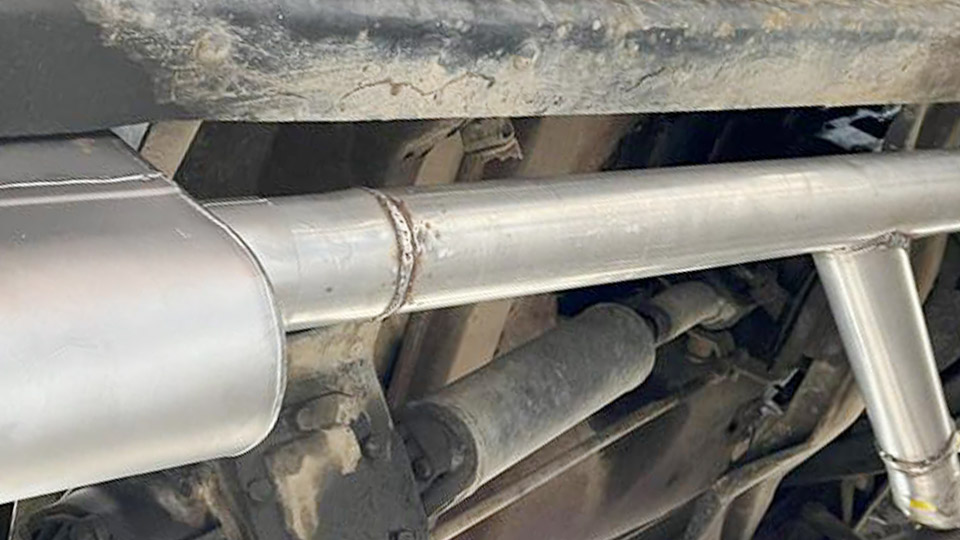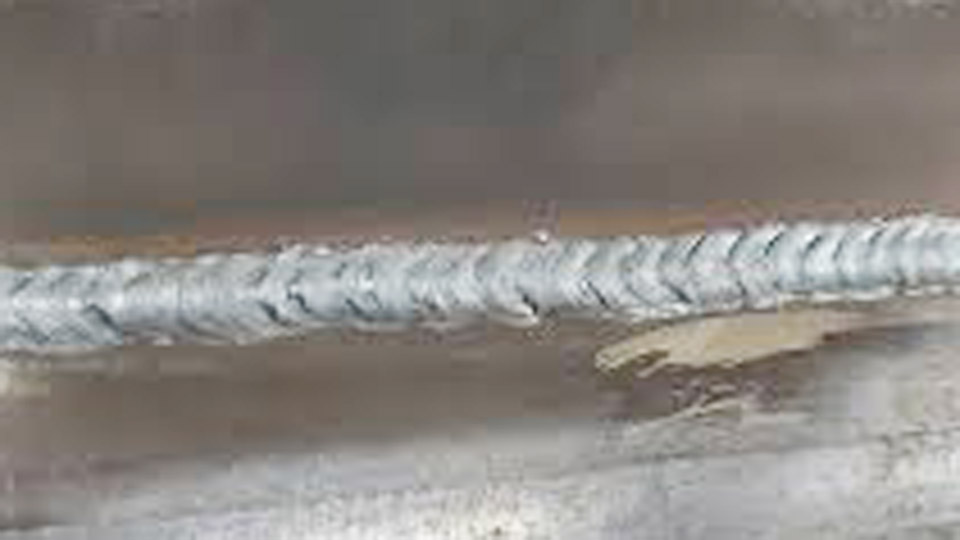
Thin-gauge panels shift under clamp pressure or heat from the first tack, forcing re-alignment and risking distortion before the joint can be locked. Many fabricators reach for cyanoacrylate (CA) glue paired with accelerator for an instant, non-mechanical temporary hold that clears the work zone for the arc.
Understanding what is super glue accelerator made of determines whether that hold cures cleanly, avoids surface contamination that later causes porosity or poor fusion, and remains compatible with the metals and coatings in the shop.
The chemistry controls set speed, bond line thickness, and residue that must be removed before final welding. Wrong selection leaves weak fixtures or introduces solvents that interfere with subsequent processes.
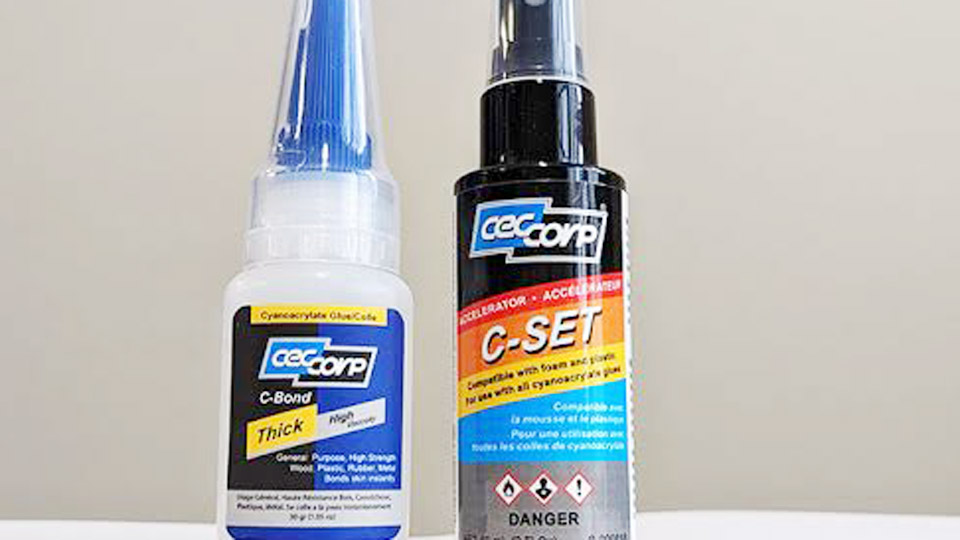
Image by ceccorp
Core Chemical Components in Commercial Super Glue Accelerators
Commercial accelerators deliver a catalytic base that triggers rapid anionic polymerization of the cyanoacrylate monomer while a volatile carrier spreads the active ingredient and then evaporates.
Active Catalytic Ingredients and Their Function
The primary active agents are organic amines, most commonly N,N-dimethyl-p-toluidine (DMPT) at concentrations typically between 0.1 % and 1 %. Other formulations use related tertiary amines, certain pyrazine derivatives, or pyridine N-oxides.
These compounds act as weak bases that neutralize the acidic stabilizers (such as hydroquinone or sulfonic acids) present in the CA monomer. Once the stabilizers are deactivated, moisture initiates chain-growth polymerization almost instantly.
The low concentration is deliberate: higher levels can over-catalyze, producing brittle bonds or excessive heat in the joint.
Carrier Solvents and Evaporation Behavior
Acetone, heptane, n-hexane, or isopropyl alcohol serve as the bulk carrier, often comprising 60–99 % of the formula. Acetone-based products evaporate quickly and leave minimal residue on most metals.
Hydrocarbon solvents (heptane or hexane) offer slower evaporation and better wetting on oily or slightly contaminated surfaces but introduce higher flammability and potential for residual film.
Aerosol versions add liquefied petroleum gas propellants. After the solvent flashes off, only the catalytic amine remains on the surface to react with the applied CA adhesive.
Proprietary Additives and Stabilizers
Some manufacturers include trace hydroquinone or other inhibitors to extend shelf life of the accelerator itself. Others add small amounts of plasticizers or surfactants for improved spray pattern and reduced blooming (the white haze that forms when excess CA vapor polymerizes in air).
Exact ratios remain proprietary; SDS documents list the major solvent and hazard classifications while describing the active ingredient only as “amine” or “proprietary catalyst.”
How Accelerator Chemistry Interacts with Cyanoacrylate in Shop Conditions
CA adhesives are acid-stabilized monomers that remain liquid until a basic environment and moisture remove the stabilizer. Accelerator supplies the base on demand.
Polymerization Trigger and Cure Speed Control
When the amine contacts the monomer, polymerization begins at the surface and progresses inward. On clean mild steel or aluminum at typical shop humidity (40–60 %), a properly applied accelerator reduces fixture time from 20–60 seconds to under 5 seconds.
In low-humidity environments or on acidic substrates (certain plastics or treated metals), the accelerator supplies the missing catalytic activity that ambient moisture alone cannot provide.
Effects of Over-Application on Bond Integrity
Excess accelerator leaves a higher concentration of amine that can cause the outer layer of CA to skin over before the interior polymerizes, trapping unreacted monomer.
The resulting bond line may appear set but exhibits reduced tensile strength and higher brittleness. On thin sheet metal this can produce a fixture that fails under the force of a tack weld or subsequent grinding.
Matching Accelerator Formulations to Welding Fabrication Tasks
Not every accelerator suits every temporary hold required before welding.
Temporary Fixturing of Thin Sheet and Tube
For panels under 1/8 in or thin-wall tube that clamps would distort, an acetone-carrier accelerator paired with medium-viscosity CA provides rapid set without thick residue.
Apply accelerator to one surface only, CA to the mating surface, then join. The solvent flashes before the arc is struck, minimizing the chance of solvent vapor entering the weld zone.
Gap-Filling and Mounding Applications
Thicker gel CA combined with accelerator allows building small fillets or filling minor gaps in fixtures. Hydrocarbon-based accelerators give slightly longer working time for positioning before full cure.
Once the fixture is locked, the excess CA must be removed mechanically or with debonder before final welding; residual polymer can carbonize under the arc and introduce inclusions.
Compatibility with Common Shop Metals and Coatings
Mild steel, stainless, and aluminum accept most commercial accelerators without issue after solvent evaporation. Painted or powder-coated surfaces may experience solvent attack that softens the coating under the bond line.
Galvanized or oily stock requires thorough degreasing first; otherwise the accelerator cannot wet the surface uniformly and cure becomes inconsistent.
Residue Management Before Arc Welding
Any accelerator or CA residue left in the weld joint becomes a contamination source.
Solvent Flash-Off and Surface Preparation Sequence
Allow the carrier solvent to evaporate fully—typically 10–30 seconds for acetone systems, longer for heptane. Visually confirm the surface is dry and free of white bloom. Wipe with a clean, dry cloth or solvent appropriate to the base metal if any film remains. For critical joints, a light abrasive clean followed by solvent wipe restores the surface to welding condition.
Avoiding Hydrogen or Porosity Sources
Although the amine catalyst itself does not introduce diffusible hydrogen in the quantities that affect low-hydrogen electrodes, residual organic film can generate gas under the arc. On high-restraint or code work, remove all CA and accelerator traces from the joint faces and within 1 in of the weld toes before striking an arc.
Homemade Versus Commercial Accelerators in a Fabrication Environment
Alkaline household mixtures can accelerate CA but lack the controlled concentration and evaporation profile of commercial products.
Baking-Soda Solutions and Their Limitations
A dilute sodium bicarbonate solution in water or isopropyl alcohol neutralizes the acidic stabilizers and speeds cure. Concentration is difficult to control; excess solid leaves abrasive particles that interfere with subsequent grinding or welding. Water-based versions introduce additional moisture that can promote flash rust on steel before the joint is welded.
When Commercial Formulations Provide Measurable Advantages
Commercial amine-in-solvent systems deliver consistent catalyst loading, predictable flash times, and lower particulate residue. In production or certified work the repeatability outweighs the cost difference. Homemade versions remain useful only for non-critical, low-volume fixtures where residue can be thoroughly cleaned.
Decision Criteria for Selecting an Accelerator for Welding Support Tasks
Choose carrier solvent first according to evaporation speed and flammability limits in the work area. Select active-ingredient concentration based on required fixture time versus bond toughness. Verify SDS compatibility with the base metals and any coatings present.
Test on scrap of the actual joint geometry and material thickness; measure both set time and residual film after solvent flash. For joints that will see the arc within minutes, prioritize low-residue acetone systems and enforce a strict clean-up step.
Advanced practice treats the CA-plus-accelerator step as a controlled process variable: document the product, application method, and post-clean verification the same way heat input or interpass temperature is recorded on critical work.
FAQs
What chemicals are in most super glue accelerators?
Most contain a tertiary amine catalyst such as N,N-dimethyl-p-toluidine at 0.1–1 % in a volatile solvent carrier (acetone, heptane, or hexane).
Does super glue accelerator leave residue that affects welding?
Yes, if not fully evaporated or cleaned. Residual organic film can cause porosity or inclusions; always allow flash-off and wipe or abrasively clean the joint before welding.
Can I use baking soda as a super glue accelerator in the shop?
A dilute baking-soda solution works as a basic catalyst but leaves particles and moisture that require extra cleaning. Commercial amine formulations give more consistent, lower-residue results for fabrication fixtures.
Is super glue accelerator safe to use near an active welding area?
Only with full solvent evaporation and proper ventilation. The carriers are flammable; keep away from open arcs, sparks, and hot metal until the surface is dry and residue-free.