Paint that peels off a galvanized metal roof within one or two seasons is almost always the result of adhesion failure at the zinc surface, not a problem with the topcoat itself.
Learning how to paint galvanized metal roof surfaces correctly starts with recognizing that the zinc coating is chemically active, smooth, and often contaminated with oils or zinc salts that reject ordinary primers.
Incorrect preparation or the wrong primer triggers saponification or simple mechanical detachment under thermal expansion and UV exposure.
Proper cleaning, surface conditioning, and a compatible primer system determine whether the coating lasts five to ten years or fails in months. The decisions that follow focus on those technical variables rather than generic painting advice.
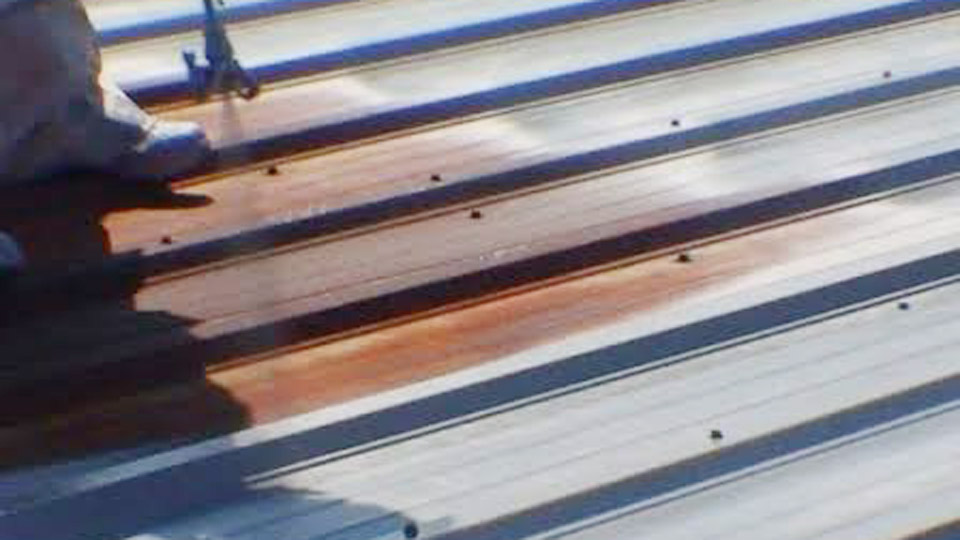
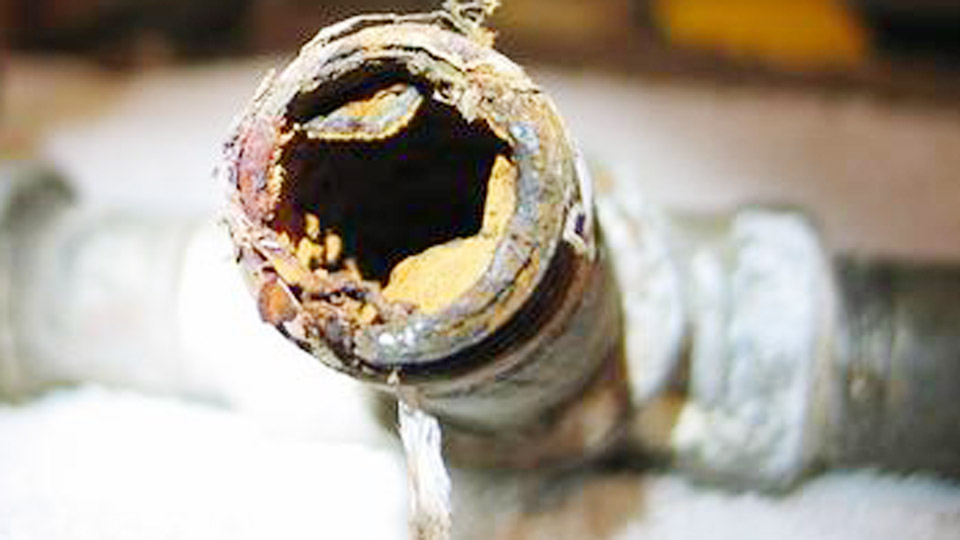
Image by rustbullet
Why Standard Paint Systems Fail on Galvanized Roofing
Zinc Surface Chemistry and Adhesion Barriers
Hot-dip galvanizing deposits a layer of zinc that protects the underlying steel through both barrier action and sacrificial corrosion. That same zinc surface is relatively non-porous and can carry residual mill oils, chromate or silicate passivation films, or early zinc oxide and hydroxide (white rust).
Ordinary alkyd or oil-based primers react with zinc to form zinc soaps—a process called saponification—that turns the interface soft and causes the entire coating system to lift.
Even water-based paints without a suitable bonding primer simply sit on the slick surface and fail under roof movement and weather cycling.
Differences Between New and Weathered Galvanized Surfaces
Newly galvanized panels often retain a bright, spangled appearance and a thin oily or chemical passivation layer that actively repels coatings. Weathered surfaces develop a dull gray tone and a powdery white zinc oxide film.
The oxide layer can improve mechanical key if it is light and tightly adherent, but heavy white rust must be removed because it is loose and prevents bonding. Fully weathered galvanizing that has been exposed for six months or longer is generally easier to coat once cleaned, yet it still requires a primer formulated for zinc.
Skipping the distinction between new and weathered material is a frequent cause of early peeling on shed, garage, and residential metal roofs.
Surface Preparation Requirements for Reliable Bonding
Removing Dirt, Oils, and White Rust
Begin with a thorough cleaning. Low-pressure washing (typically 1,200–2,500 psi with a wide fan tip) combined with a mild detergent or specialized metal cleaner removes dirt, pollen, biological growth, and loose chalk.
For white rust, mild mechanical scrubbing with a non-metallic pad or a commercial galvanized cleaner is preferred; aggressive wire brushing or high-pressure blasting can strip the zinc coating itself. After cleaning, rinse completely and allow the surface to dry.
Residual salts or detergent left on the panels will compromise the primer. On roofs, work from the ridge downward and protect surrounding landscaping from runoff.
Chemical Conditioning for New or Smooth Surfaces
When the galvanizing is still bright and smooth, a light chemical etch improves adhesion. Diluted white vinegar (acetic acid) applied by wipe or spray, left for several minutes, then thoroughly rinsed, dulls the surface and helps neutralize residual oils.
Commercial etch solutions or T-wash (mordant solutions containing zinc phosphate and copper salts) produce a visible color change that confirms reaction across the entire area.
These treatments must be rinsed completely; any remaining acid can continue to attack the zinc. Do not rely on vinegar alone as a substitute for a proper primer.
Limits of Mechanical Profiling on Zinc Coatings
Sweep or brush-off blasting with fine abrasives at low pressure (under approximately 40 psi) can create a light surface profile without removing excessive zinc. This method is more common on structural members than on thin roofing panels.
On a roof, light scuffing with synthetic pads is safer than aggressive sanding, which risks cutting through the galvanizing and exposing steel. The goal is a clean, slightly dulled surface free of gloss, not a deep anchor pattern.
Selecting the Correct Primer for Galvanized Metal Roofs
Acrylic Bonding and Galvanized-Specific Primers
The most reliable modern choice for roof applications is a water-based acrylic bonding primer or a product explicitly labeled for galvanized metal or direct-to-metal (DTM) use on zinc substrates.
These primers wet the surface effectively, form a chemical or mechanical bond, and remain flexible enough to accommodate the expansion and contraction of metal roofing.
Examples from major manufacturers include acrylic metal primers designed to avoid saponification. Apply in thin, even coats according to the stated dry-film thickness; over-application can lead to cracking or poor intercoat adhesion.
Etch Primers and Their Role
Self-etching or wash primers containing phosphoric acid or similar reactive components create a thin conversion layer on the zinc. They work well when blasting is impractical.
Thickness must stay within manufacturer limits—usually a very thin film—because excess etch primer can become brittle. Confirm compatibility with the intended topcoat; some etch primers are designed only as a base for specific systems.
Why Oil-Based and Alkyd Primers Must Be Avoided
Alkyd and traditional oil-based primers react chemically with zinc to form soaps that destroy adhesion. Even if the coating appears sound initially, thermal cycling and moisture cause delamination months later.
Some older recommendations for oil-based primers on metal roofs do not apply to bare galvanized surfaces. Always verify the product data sheet states suitability for galvanized steel or zinc coatings.
Choosing and Applying the Topcoat System
Acrylic, DTM, and Elastomeric Roof Coatings
Exterior acrylic latex or DTM acrylic enamels provide good UV resistance, color retention, and moderate flexibility. For roofs subject to significant movement or ponding water at seams, elastomeric acrylic or silicone-modified roof coatings offer higher elongation and waterproofing at laps and fasteners.
Choose colors with higher solar reflectance when heat reduction is a goal; darker colors absorb more energy and increase thermal stress on the coating. Two finish coats over the primer are standard for durability.
Application Considerations for Roof Geometry
Corrugated or ribbed profiles require attention to troughs, side laps, and fastener heads—areas where water and debris collect and where coating thickness is often insufficient. Spray application (airless preferred for large areas) followed by back-rolling or brushing into seams produces more uniform coverage than roller alone.
Maintain the manufacturer’s recommended recoat window. Temperature and humidity affect drying; avoid application on hot surfaces that can cause blistering or on damp panels that trap moisture.
Addressing Existing Rust and Localized Damage
Treating Red Rust Where Zinc Has Failed
When the zinc coating is breached, red rust forms on the underlying steel. Remove loose scale, convert or encapsulate remaining rust with a suitable rust converter or rust-inhibitive primer, then apply the galvanized-compatible primer over the treated spots and the surrounding sound zinc.
Cold-galvanizing compounds (zinc-rich paints meeting ASTM A780 guidelines) can restore sacrificial protection on small repaired areas before the full primer and topcoat system is applied.
Fastener and Seam Details
Exposed fasteners and cut edges are common failure points. Ensure fasteners are tight, replace severely corroded ones, and coat heads thoroughly. Side and end laps benefit from extra attention during priming and topcoating to maintain the barrier.
On older roofs, inspect for oil-canning or panel movement that could stress a rigid coating system; more flexible elastomeric products tolerate greater movement.
Environmental and Service-Life Factors That Influence Coating Choice
Exposure Severity and Expected Durability
Coastal or industrial environments accelerate zinc consumption and place higher demands on the coating barrier. In milder climates a quality acrylic system over proper primer commonly lasts 7–12 years before maintenance recoating.
High-UV or high-temperature locations favor reflective topcoats and systems with proven chalk resistance. Always match the coating system to the corrosivity category of the site rather than selecting solely on color or price.
Maintenance Intervals and Inspection
Periodic cleaning to remove dirt and biological growth, plus touch-up of damaged areas, extends service life. Inspect seams, fasteners, and any areas of previous repair annually. Early detection of adhesion loss or under-film corrosion allows localized repair instead of full recoating.
Successful long-term performance on a galvanized metal roof depends on three linked decisions: complete removal of contaminants and loose zinc salts, selection of a non-saponifying primer rated for zinc, and a flexible, UV-stable topcoat applied at adequate film thickness.
When those elements align, the zinc continues to protect the steel while the coating system provides color, reflectivity, and an additional barrier.
Advanced practice treats the galvanized surface and the paint as a duplex system whose combined life exceeds either coating alone; the primer interface is the critical link that makes that synergy possible.
FAQs
Can you paint a new galvanized metal roof right away?
Yes, provided the surface is thoroughly cleaned of oils and passivation films and a galvanized-compatible acrylic or etch primer is used. Waiting for natural weathering is optional with modern primers.
What is the best primer for galvanized metal roof?
A water-based acrylic bonding primer or product specifically labeled for galvanized steel. Avoid oil-based or alkyd primers to prevent saponification and peeling.
How do you remove white rust before painting galvanized roofing?
Wash with detergent and water, then scrub lightly with a non-metallic pad or use a commercial galvanized cleaner. Rinse thoroughly and dry before priming. Heavy white rust may require more aggressive but controlled cleaning that does not strip the zinc.
Will regular exterior paint stick to galvanized metal without primer?
No. Without a suitable primer the paint typically fails by peeling or blistering because the smooth zinc surface provides little mechanical key and can react chemically with incompatible binders.