A fully cured JB Weld joint that needs to come apart creates an immediate practical problem. The steel-reinforced epoxy has already reached full strength, locking parts together with a bond rated around 5000 PSI that resists most common solvents and moderate force.
Knowing exactly how to break JB Weld bond matters because the wrong approach damages the base metal, plastic, or surrounding finish while leaving residue that interferes with later welding, machining, or reassembly.
Heat above the product’s 600°F threshold, controlled mechanical abrasion, or staged solvent softening each works under specific conditions. Choosing the correct sequence based on substrate, cure age, and access determines whether the part survives intact or requires costly replacement.
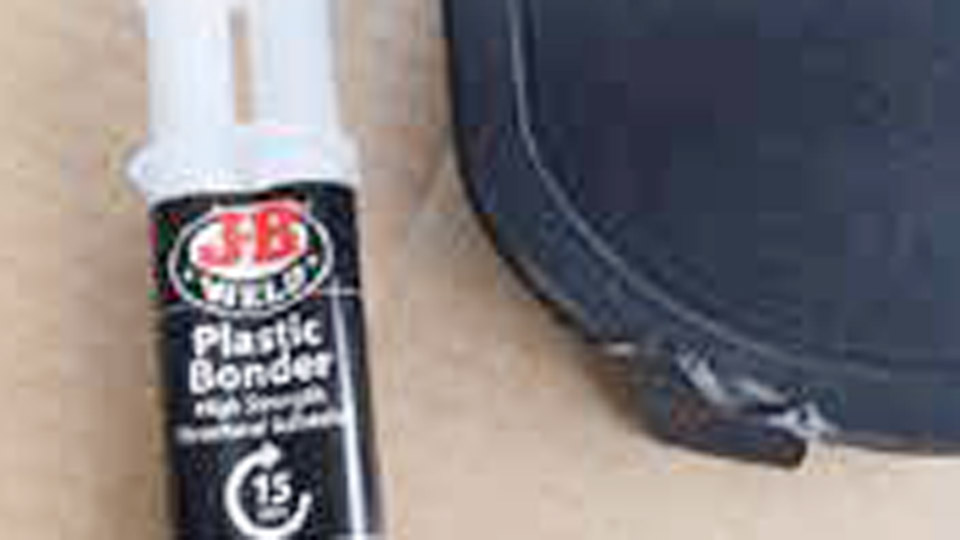
Image by mechanics-mag
Heat Application to Soften and Release the Bond
JB Weld Original is rated for continuous service to 550°F (288°C). Above the 600°F (315°C) threshold the polymer network softens, loses cohesive strength, and can be scraped or peeled. This is the manufacturer-endorsed primary method for fully cured material on heat-tolerant substrates.
Temperature Targets and Heat Sources for Metal
A variable-temperature heat gun set near maximum output or a propane torch provides the necessary energy. Hold the nozzle or flame 2–4 inches from the epoxy and keep it moving to avoid localized overheating of thin sections.
Once the epoxy begins to darken, smoke lightly, or turn glossy, it has reached the workable range. At that point a putty knife or stiff scraper lifts large sections cleanly. Residual thin films respond to a wire brush while still warm.
Heat Limits on Plastic, Painted, and Coated Surfaces
Most engineering plastics soften or distort well below 600°F. On plastic or powder-coated parts, heat must stay lower—typically a hair dryer or low heat-gun setting—and serve only as a mild softener before mechanical work.
Prolonged high heat risks warping, blistering, or releasing toxic fumes from certain plastics. Always test an inconspicuous area first.
Combining Heat with Immediate Mechanical Action
The softened state lasts only while the material remains hot. Scrape or pry within seconds of reaching temperature. Allowing the epoxy to cool re-hardens it and often increases adhesion to the substrate. For thick deposits, alternate short heat cycles with progressive scraping until the bond line is cleared.
Mechanical Methods for Direct Bond Fracture
When heat is impractical or the substrate cannot tolerate elevated temperatures, physical removal becomes the reliable path. Cured JB Weld is hard but brittle enough to chip, grind, or file once an edge is established.
Grinding and Abrasive Tools on Steel and Cast Iron
An angle grinder fitted with a 36- or 40-grit flap disc removes bulk material rapidly. Work in short passes to limit heat buildup in the base metal. Switch to 80-grit or a wire wheel for final cleanup.
A die grinder with carbide burrs handles contours and restricted spaces. Dust collection or a respirator is required because the steel-filled epoxy produces fine particulate.
Chiseling and Scraping Technique for Controlled Fracture
A sharp cold chisel or wood chisel held at 10–15 degrees to the surface shears the epoxy along the bond line. Drive the tool with controlled taps rather than heavy blows to avoid denting soft metals.
Start at any free edge or undercut and work inward. On flat surfaces a stiff putty knife or razor scraper can undercut thin layers once an initial lift is achieved.
Sanding and Filing for Precision Cleanup
After bulk removal, progressive sanding from 80- to 220-grit restores surface geometry. Files work well in tight corners or on edges that must remain square. The goal is complete removal of the gray epoxy without unnecessary material loss from the parent part.
Solvent Softening and Its Practical Limits
Fully cross-linked JB Weld resists most solvents. Acetone, MEK, and certain paint strippers can soften the outer surface or penetrate micro-cracks, but they rarely dissolve thick, aged deposits completely. Solvents perform best on partially cured material or as a secondary step after heat or mechanical scoring.
Acetone Application Windows and Soak Times
Pure acetone applied with a saturated rag and covered to slow evaporation can soften surface layers within 15–30 minutes on relatively fresh cures.
For fully cured material, multi-hour or overnight soaks on small parts sometimes produce a gummy consistency that scrapes more easily. Acetone will not restore the epoxy to a liquid state once full cure has occurred.
Stronger Solvents and Safety Constraints
Methyl ethyl ketone and methylene-chloride-based epoxy removers show greater activity but require strict ventilation, chemical-resistant gloves, and eye protection.
These chemicals attack many plastics, paints, and elastomers, so substrate compatibility must be verified. Extended exposure times measured in hours or days are common before meaningful softening appears.
When Solvents Are the Wrong First Choice
On large steel fabrications or thick epoxy fillets, solvent volume and dwell time become impractical. Mechanical or heat methods clear the majority of material faster; solvents then serve only for final residue cleanup.
Substrate-Specific Decisions for Clean Separation
The base material dictates both the safe methods and the residual risk of surface damage.
Steel, Cast Iron, and Aluminum Parts
These metals tolerate the full heat-plus-scrape sequence and aggressive grinding. Aluminum requires more careful heat control to avoid annealing or distortion of thin sections. After removal, solvent wipe and light abrasion prepare the surface for welding or new adhesive if required.
Plastic, Composite, and Painted Components
Avoid temperatures that approach the plastic’s heat-deflection point. Rely on mechanical scraping with plastic or brass tools, combined with acetone or isopropyl alcohol soaks. Painted or powder-coated surfaces demand the gentlest possible abrasion to preserve the finish outside the repair zone.
Glass, Ceramic, and Wood Interfaces
Razor blades at shallow angles undercut the epoxy with minimal substrate damage. Controlled low heat followed by immediate scraping works on glass and ceramic. On wood, a sharp chisel parallel to the grain fractures the brittle epoxy cleanly; sanding restores the surface afterward.
Assessing Cure State Before Selecting a Method
Cure age changes the response to every technique. Uncured or partially cured JB Weld (still soft enough to dent with a fingernail) yields to acetone or isopropyl alcohol within minutes.
Once the material resists fingernail pressure and has exceeded 15–24 hours, full mechanical or high-heat methods become necessary. Identifying the cure stage first prevents wasted effort on solvents that can no longer penetrate a completed cross-link network.
Residue Cleanup and Surface Restoration After Bond Failure
Any remaining gray film interferes with subsequent welding, painting, or mechanical fit. After bulk removal, a final pass with a wire brush, Scotch-Brite pad, or fine sandpaper clears microscopic particles. Solvent wipe with acetone or lacquer thinner removes oils and dust.
On critical weld preparations, verify cleanliness by wiping with a clean white cloth; any transfer indicates residual contamination.
Selecting the sequence that matches the substrate and access constraints determines success. Heat above 600°F followed by immediate scraping remains the fastest route on steel; mechanical grinding dominates when heat is restricted; solvents act mainly as secondary softeners.
The advanced insight is that scoring the epoxy surface before heat or solvent application creates pathways that accelerate breakdown, reducing total energy and time required for complete separation.