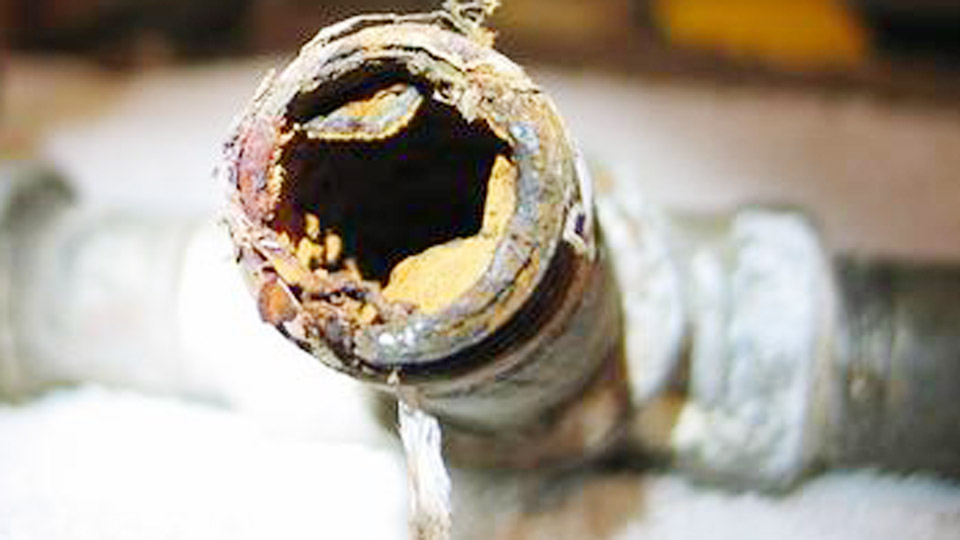
Corroded metal is a common headache in any welding shop or garage. A seemingly solid piece of steel or aluminum arrives covered in rust or oxidation, threatening arc stability, weld penetration, and long-term joint integrity.
Learning how to remove corrosion from metal effectively is critical because contaminants like rust, mill scale, and oxides introduce hydrogen, cause porosity, weaken fusion, and reduce corrosion resistance in the finished weld.
Proper removal restores bare metal for optimal electrical conductivity, puddle control, and mechanical strength.
Whether you’re repairing farm equipment, fabricating structural components, or working on automotive projects, the method you choose directly impacts weld quality, productivity, and the lifespan of your work. This guide delivers practical, technically focused approaches tailored for DIY enthusiasts, students, and professionals.
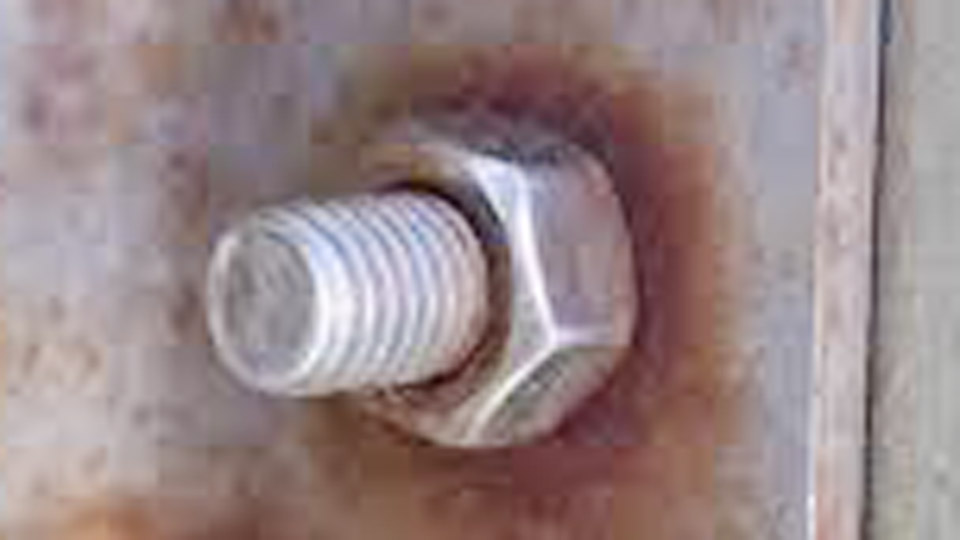
Image by unifiedalloys
Understanding Corrosion Types Relevant to Welding
Corrosion manifests differently across metals and environments, affecting how you approach removal and subsequent welding parameters.
Rust on Ferrous Metals
Mild steel and carbon steel primarily develop iron oxide (Fe2O3) layers. Light surface rust appears as reddish-brown flakes, while deeper pitting penetrates the material and creates stress risers. Mill scale—a black, brittle oxide from hot-rolling—often accompanies rust and flakes under heat, causing inclusions if not fully removed.
In humid climates or coastal areas, chloride contamination accelerates pitting. This demands more aggressive cleaning than dry inland environments.
Oxidation on Non-Ferrous Metals
Aluminum forms aluminum oxide, a hard, transparent layer that melts at much higher temperatures than the base metal (~660°C vs. 2050°C for oxide). This causes incomplete fusion and oxide inclusions in TIG or MIG welds. Copper and brass develop patina or verdigris that interferes with conductivity and filler wetting.
Stainless steels suffer from heat tint and surface chromium depletion during prior exposure, reducing passivation and inviting future corrosion at the weld zone.
Galvanized and Coated Steels
Zinc coatings vaporize during welding, producing toxic fumes and porosity. Removal must be complete in the weld area, typically 1-2 inches back from the joint, to avoid zinc contamination while preserving protection on non-welded surfaces.
Assessing Corrosion Before Choosing a Removal Method
Visual and Tactile Inspection
Examine for depth: flaky surface rust responds well to light abrasion, while pitted areas may require material removal or filling. Use a straight edge or calipers to check for thinning. Tap with a hammer—hollow sounds indicate advanced pitting.
Depth Measurement Tools
For precision work, employ a pit gauge or ultrasonic thickness tester. On critical structural pieces, measure remaining thickness against design requirements. Light surface oxidation might need only solvent wipe and light grind; heavy scale demands blasting or heavy mechanical action.
Record findings to select the least aggressive effective method, preserving base metal thickness.
Mechanical Removal Methods
Mechanical techniques offer speed and control for most welding prep.
Grinding, Flap Discs, and Sanding
Angle grinders with 40-80 grit flap discs remove heavy rust and mill scale efficiently. Start coarse to cut through scale, then progress to 120-grit for a smooth profile. For thin materials (<3mm), use lighter pressure and 120-grit from the start to avoid undercutting.
Surface conditioning discs (Scotch-Brite style) excel for final cleanup without excessive material removal. They leave a uniform profile ideal for TIG welding.
Practical parameters: Operate grinders at 80-90% of rated RPM. Over-speeding generates heat that can drive oxides deeper. Always grind in the direction that minimizes gouging.
Wire Brushing and Power Tools
Knotted wire cup brushes on grinders handle loose rust and paint quickly but polish tight scale rather than fully removing it. Crimped brushes work better for lighter duty. For precision, use needle scalers on heavy structural steel.
Avoid carbon steel brushes on stainless or aluminum to prevent cross-contamination and galvanic corrosion.
Abrasive Blasting
Media blasting with garnet, aluminum oxide, or crushed glass achieves SA 2.5 near-white metal finish quickly on large areas. Blast pressure of 80-100 PSI with 16-30 mesh media balances speed and profile control.
For welding, target a 1.5-3 mil surface profile. Too rough traps contaminants; too smooth reduces mechanical bonding in some processes. Always follow with solvent wipe to remove embedded abrasive dust.
Chemical Removal Techniques
Chemical methods dissolve oxides without heavy material loss, useful for intricate parts or when mechanical access is limited.
Acid-Based Cleaners and Pickling
Muriatic acid (hydrochloric, ~30% concentration) removes heavy rust rapidly. Dilute 1:4 with water for controlled action; immerse or brush on, monitor for 5-30 minutes depending on severity. Neutralize immediately with baking soda solution, rinse thoroughly, and dry.
Phosphoric acid (10-30%) converts rust to iron phosphate, leaving a protective layer. It’s slower but more forgiving and common in commercial rust converters. Citric acid offers a milder, eco-friendlier option for overnight soaks.
Key decision: Acids work well for bulk removal but require complete neutralization and drying before welding. Residual acid causes porosity and hydrogen cracking.
Rust Converters
These products (often phosphoric or tannic acid-based) transform rust into a stable primer-like compound. Apply to light-moderate rust, allow 24 hours, then wire brush loose residue. They suit non-critical repairs or areas difficult to reach mechanically, but verify full conversion before welding, as unconverted pockets can still contaminate the puddle.
Solvent and Degreasing Steps
Always precede and follow mechanical or chemical rust removal with degreasing. Acetone or brake cleaner evaporates cleanly without residue. Wipe in one direction with fresh rags to avoid re-depositing oils. This step is non-negotiable for preventing weld porosity.
Electrolytic Rust Removal
Electrolytic methods use DC current in an electrolyte solution to reduce rust back to iron without significant base metal attack.
Setup and Parameters
Use a 12-24V DC power supply (battery charger or welder in DC mode at low amperage). Electrolyte: 1-2 tablespoons washing soda (sodium carbonate) per gallon of water. Connect the positive (anode) to sacrificial steel or stainless plates; negative (cathode) to the workpiece.
Current density around 0.1-0.5 A per square inch works well. Process time varies from hours to days for heavy rust. Bubbles indicate hydrogen evolution at the cathode—monitor temperature to stay below 40°C.
Advantages for Welders
This method excels for complex shapes, tools, or thin sections where mechanical methods risk distortion. It leaves the original surface profile largely intact. Post-process requires thorough rinsing, light brushing to remove black magnetite sludge, and immediate protection to prevent flash rust.
Limitations: Slow for large items; hydrogen embrittlement risk on high-strength steels if current is too high. Not ideal for aluminum due to different oxide chemistry.
Preparing Metal for Welding After Corrosion Removal
Residue Removal and Final Cleaning
After any method, perform a final acetone wipe and visual check under bright light. For stainless, ensure no embedded iron particles (test with copper sulfate if needed). Dry thoroughly—use compressed air or heat to drive off moisture.
Surface Profile and Timing
Weld within hours of cleaning, especially in humid conditions, to minimize flash rust. For best results on critical joints, aim for bright, metallic appearance with slight roughness for filler wetting. On aluminum, clean with stainless wire brush dedicated to aluminum immediately before welding.
Adjust welding parameters: Clean metal allows slightly lower amperage for the same penetration due to better conductivity. Test on scrap to dial in settings.
Choosing the Right Method by Project Type
- Structural steel repairs: Mechanical grinding or blasting for speed and reliability.
- Thin sheet or auto body: Chemical converters or light flap disc work to avoid burn-through.
- Restoration projects: Electrolytic for preserving details.
- Stainless or aluminum: Dedicated mechanical tools plus solvent; avoid acids that attack the base metal.
- Large production: Automated blasting followed by pickling where required.
Consider cost, time, waste disposal, and part geometry. Hybrid approaches—chemical bulk removal followed by mechanical finishing—often deliver optimal results.
Preventing Re-Corrosion Post-Cleaning and Welding
Apply weld-through primers only where approved for your process. Use zinc-rich primers on carbon steel or appropriate passivation for stainless. Store cleaned parts in low-humidity environments or coat with light oil/wax if welding is delayed.
In service, proper joint design with good drainage and coatings extends weld life significantly.
Real-World Application Insight
Effective corrosion removal comes down to matching the method to the metal type, corrosion severity, and end-use requirements. Aggressive cleaning that removes too much material weakens the joint, while incomplete removal guarantees defects. Professionals consistently achieve superior results by combining assessment, targeted removal, and immediate welding under controlled conditions.
On high-performance applications, consider post-weld surface treatment like passivation or peening to restore full corrosion resistance at the heat-affected zone. The quality of your initial cleaning determines how much remedial work you’ll face later. Prioritize getting to clean, dry, bare metal every time.
FAQ
How long after removing rust should I weld the metal?
Weld as soon as possible—ideally within 1-4 hours in normal shop conditions. Flash rust forms quickly on bare steel, especially in humid environments. If delay is unavoidable, apply a light protective coating and reclean before welding.
Can I weld over rust converter residue?
Generally no. Most converters leave a compound that can contaminate the weld pool. Wire brush or lightly grind the treated surface and solvent wipe to bare metal for reliable results. Test on scrap first.
What’s the best rust removal method for thin metal before TIG welding?
Light mechanical methods like 120-grit flap discs or dedicated stainless/aluminum conditioning discs, followed by acetone wipe. Avoid heavy acids or blasting that can warp or thin the material excessively.
Does electrolytic rust removal affect weld strength?
When done correctly with proper rinsing and neutralization, it does not harm weld strength and often produces cleaner results on intricate parts. Overly aggressive current or incomplete cleaning can introduce issues, so follow established parameters.