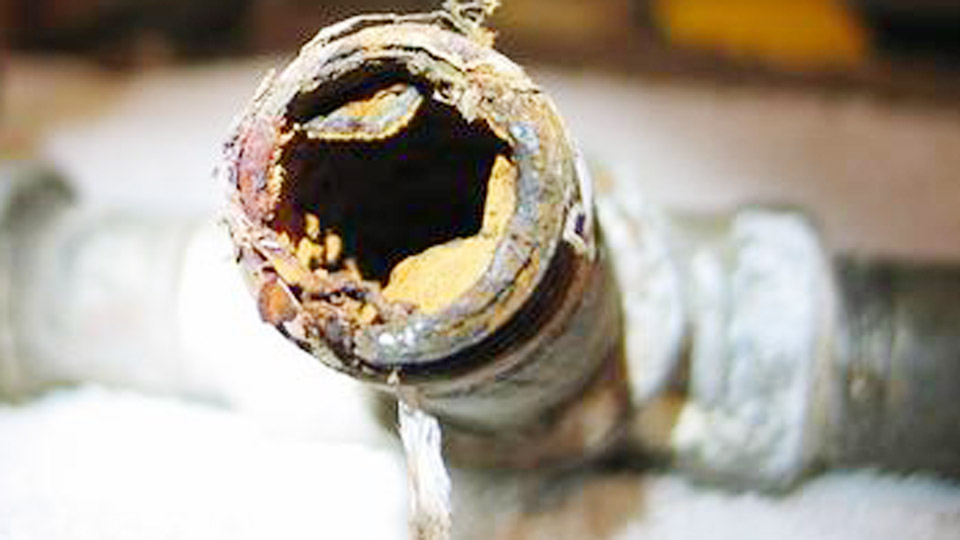
Green oxidation on copper pipes is more than a cosmetic issue. The green or blue-green buildup, often called patina or verdigris, can indicate prolonged moisture exposure, chemical reactions, or environmental conditions that may affect soldering quality and pipe performance.
Understanding how to remove green oxidation from copper pipes is essential for anyone preparing copper for plumbing repairs, soldering, brazing, or general maintenance.
In welding and metalworking environments, oxidation can interfere with proper heat transfer, contaminate joint surfaces, and reduce the reliability of soldered or brazed connections.
If left untreated, corrosion may also conceal deeper surface deterioration that can lead to leaks, rework, or premature component failure.
Proper cleaning techniques restore a clean metal surface, improve joint integrity, and help ensure consistent results during fabrication or repair. I’ll explain the causes of green oxidation, the most effective removal methods, and the best practices for preventing it from returning.
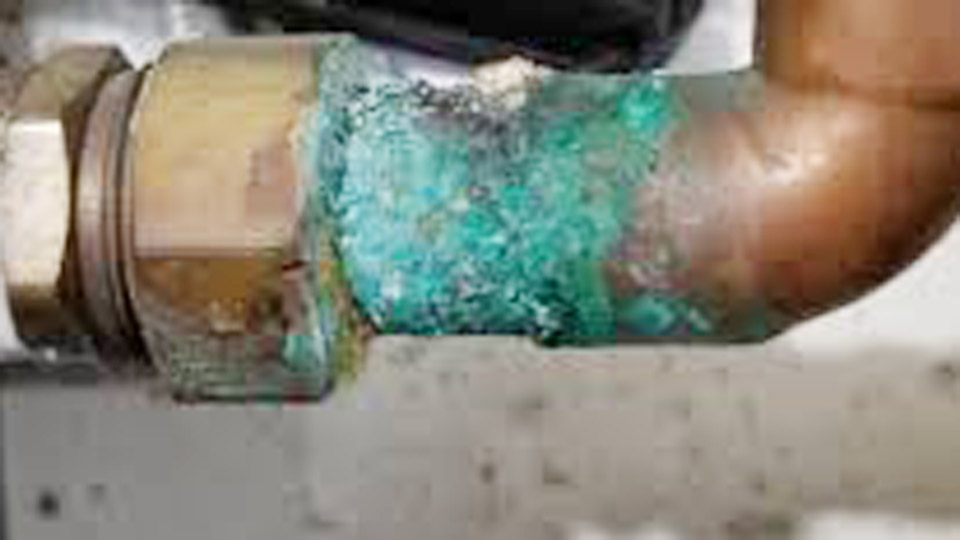
Image by h2oequipment
Understanding Green Oxidation on Copper Pipes
Chemical Composition and Formation Process
Green oxidation primarily consists of copper(II) carbonate hydroxide (malachite) or copper acetate (verdigris), resulting from electrochemical reactions. Moisture acts as the electrolyte, while atmospheric CO2 or acidic residues provide the reactants. In plumbing, condensation on cold water lines accelerates this, especially in humid or poorly ventilated spaces.
Flux residue from prior soldering contributes significantly. Acidic fluxes (containing zinc chloride or ammonium chloride) left uncleaned etch the surface and promote localized green deposits around joints. Acidic water (pH below 6.5) with high dissolved oxygen or chlorides exacerbates pitting corrosion beneath the patina.
Impact on Welding and Joint Performance
Oxidation layers prevent proper flux activation and solder alloy flow during soldering (typically at 350–450°F for lead-free) or brazing (1100–1500°F with silver alloys). Even thin films increase surface tension, leading to incomplete fillet formation and reduced shear strength.
In TIG welding of copper, oxides cause porosity and cracking due to poor shielding gas coverage on contaminated surfaces.
For structural or high-pressure applications, green deposits signal potential underlying wall thinning. Measure remaining wall thickness with ultrasonic gauges before deciding on repair versus replacement.
When Oxidation Signals Replacement vs. Repair
Differentiate surface patina from active corrosion. Uniform light green discoloration on exposed pipe is often cosmetic and stable. Heavy buildup with pitting, blue staining on fixtures, or visible leaks indicates deeper issues requiring section replacement. In systems with pH <7.0 or high TDS water, plan for full repiping rather than spot cleaning.
Mechanical Removal Techniques for Weld Preparation
Abrasive Methods and Tool Selection
Mechanical abrasion provides the most reliable oxide removal for welding prep. Use emery cloth (120–180 grit) or specialized plumber’s sand cloth for even cleaning. Wrap the cloth around the pipe and rotate while applying firm pressure to achieve a bright, shiny surface without deep scratches.
For fittings and interior surfaces, employ wire brushes (stainless steel for copper to avoid contamination) or nylon abrasive pads. Inside pipes, use a deburring tool followed by a flexible hone or rifle brush. Target surface roughness under 50 microinches Ra for optimal solder wetting.
Grit progression table for copper prep:
| Stage | Grit Range | Purpose | Typical Time per Joint |
|---|---|---|---|
| Initial | 80-120 | Heavy oxide removal | 30-60 seconds |
| Intermediate | 180-220 | Smoothing | 20-40 seconds |
| Final | 320-400 | Polishing for brazing | 15-30 seconds |
Avoid over-abrading thin-wall tubing (Type M), which risks wall reduction and pressure rating loss.
Power Tool Applications in Shop Settings
In fabrication shops, use flap discs on angle grinders at low RPM (under 4000) with fine zirconia alumina media. For precision, Dremel tools with polishing wheels work on intricate fittings. Always follow with solvent wipe (acetone or isopropyl alcohol) to remove abrasive particles that could contaminate welds.
For batch cleaning, vibratory tumblers with ceramic media suit small fittings, though they require thorough rinsing to prevent media entrapment.
Chemical Cleaning Methods for Oxidation Removal
Acid-Based Solutions and Application Protocols
Vinegar (5% acetic acid) mixed with salt creates an effective, low-aggression etchant. Apply a paste of 1 cup vinegar, 1 tablespoon salt, and optional flour for thickening. Let it dwell 15–30 minutes, then scrub and neutralize with baking soda solution.
For stubborn deposits, dilute muriatic acid (1:10 with water) offers faster action but demands strict safety protocols: full PPE, ventilation, and immediate neutralization. Test on a scrap section first, as prolonged exposure attacks base metal.
Citric acid solutions (10–20% by weight) provide a milder alternative with good chelating properties for copper oxides. Commercial copper cleaners often combine citric or sulfamic acid with surfactants.
Solvent and Specialized Cleaners
Acetone effectively dissolves organic contaminants and light oxidation when wiped with a rag, followed by aqueous rinse. Avoid on large areas due to volatility. For post-soldering cleanup, proprietary flux removers neutralize acidic residues while lifting green deposits.
Never mix chemicals indiscriminately—acid + bleach produces toxic chlorine gas.
Electrochemical and Electrolytic Cleaning
For delicate or intricate pieces, electrolytic setups using sodium carbonate electrolyte (washing soda) with the copper as anode can selectively remove oxides. Control current density (0.5–2 A/dm²) to prevent etching. This method suits restoration work but requires equipment investment.
Preparation for Soldering, Brazing, and Welding Copper
Surface Readiness Standards
Clean copper must appear uniformly pink to bright metallic. Any dullness or discoloration indicates incomplete removal. Apply flux immediately after cleaning, as re-oxidation begins within minutes in humid air.
For soldering: Use water-soluble flux for potable lines. Heat uniformly to 400–450°F, watching for flux activation (bubbling then clearing). Apply 50/50 or lead-free solder only after full wetting.
For brazing: Higher temperatures demand thorough mechanical prep plus borax-based flux. Maintain neutral to slightly reducing flame or proper argon flow in TIG to prevent new oxide formation.
Preventing Re-Oxidation During and After Work
Work in dry conditions or use nitrogen purge on interior lines. After joining, wipe residual flux while hot using damp rags, then cool naturally. Apply protective coatings like clear lacquer or oxidation inhibitors for exposed pipes in decorative or HVAC applications.
In multi-pass welding, interpass cleaning with stainless wire brush removes heat tint (cuprous oxide) that forms at 600°F+.
Advanced Techniques for Professional Fabricators
System-Wide Cleaning for Large Projects
For entire runs, circulate citric acid solutions through the system (pH monitored 2.5–3.5) followed by thorough flushing and passivation with alkaline solution. This addresses internal scale alongside external oxidation.
Ultrasonic tanks with mild alkaline cleaners excel for fittings and valves, dislodging oxides from threads and crevices without abrasion.
Material Compatibility and Alloy Considerations
Deoxidized copper (C12200) behaves differently from oxygen-free (C10100). The latter forms less scale but requires pristine surfaces for vacuum or high-purity applications. When joining dissimilar metals, address galvanic risks—copper to steel demands dielectric unions and monitoring for accelerated corrosion.
Inspection and Quality Control
Use borescopes for internal verification. Pressure test at 1.5x operating pressure after cleaning and joining. Dye penetrant or visual inspection under magnification reveals micro-fissures masked by oxidation.
Environmental and Safety Considerations in Copper Cleaning
Select biodegradable cleaners where possible. Dispose of acidic waste per local regulations—neutralize before draining. In confined spaces, monitor for gas buildup during chemical use.
Real-World Application Insights
Successful removal balances speed, surface integrity, and downstream process requirements. Mechanical methods offer reliability for critical welds, while targeted chemical approaches suit field repairs with limited access. Always match the method to pipe condition, water chemistry, and service environment.
For high-performance systems, combine light abrasion with immediate fluxing and inert atmosphere during heating. This approach yields joints with superior fatigue resistance and leak-free service exceeding design life.
Pro welders prioritize prevention through proper initial installation and periodic inspection over reactive cleaning. (Word count: approx. 2,280)
FAQ
Does green oxidation on copper pipes mean the pipe is failing?
Surface verdigris is often benign patina, but combined with leaks, pitting, or staining on fixtures, it signals active corrosion requiring further investigation and possible replacement.
Can I solder over green oxidation without cleaning?
No. Oxides block flux and solder flow, resulting in weak, leaky joints. Always clean to bright metal first.
What is the fastest way to clean copper pipes for welding?
Emery cloth or sand cloth abrasion followed by solvent wipe provides the quickest, most reliable results for immediate joining.
How do I prevent green oxidation from returning after cleaning?
Dry the area thoroughly, apply protective coating if exposed, fix any moisture sources, and ensure complete flux removal after soldering.