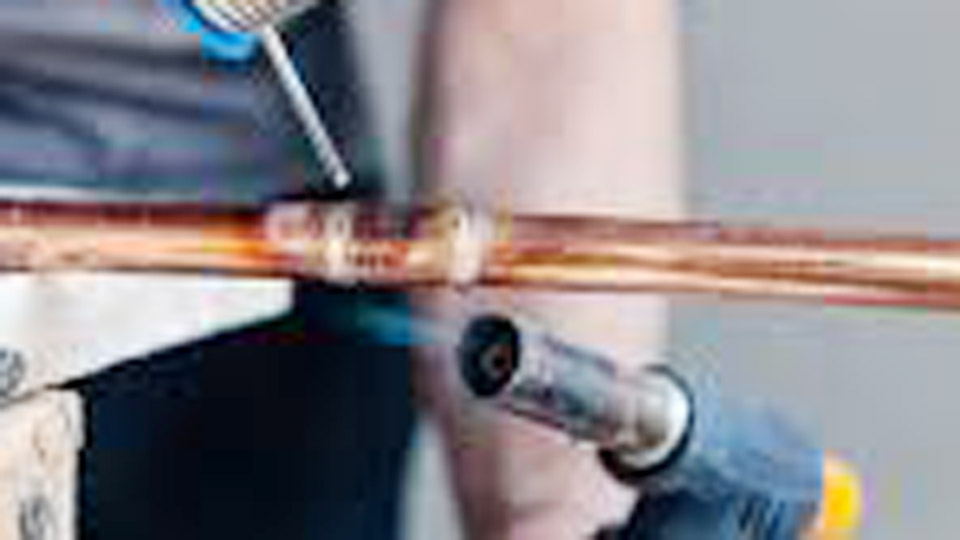
Radiator leaks often appear suddenly—coolant dripping from seams, pinholes in tubes, or failed joints—leaving DIY welders and mechanics scrambling for a reliable fix. Learning how to repair a radiator with solder addresses this directly, offering a cost-effective, durable solution for copper-brass units common in older vehicles and equipment.
Soldering restores structural integrity and sealing without the distortion risks of welding or the expense of replacement. It demands precise material selection, thorough preparation, and controlled heat application to achieve leak-free results that withstand pressure and thermal cycling.
I’ll discuss the technical details needed for successful repairs, from identifying repairable damage to executing joints that perform under real operating conditions.
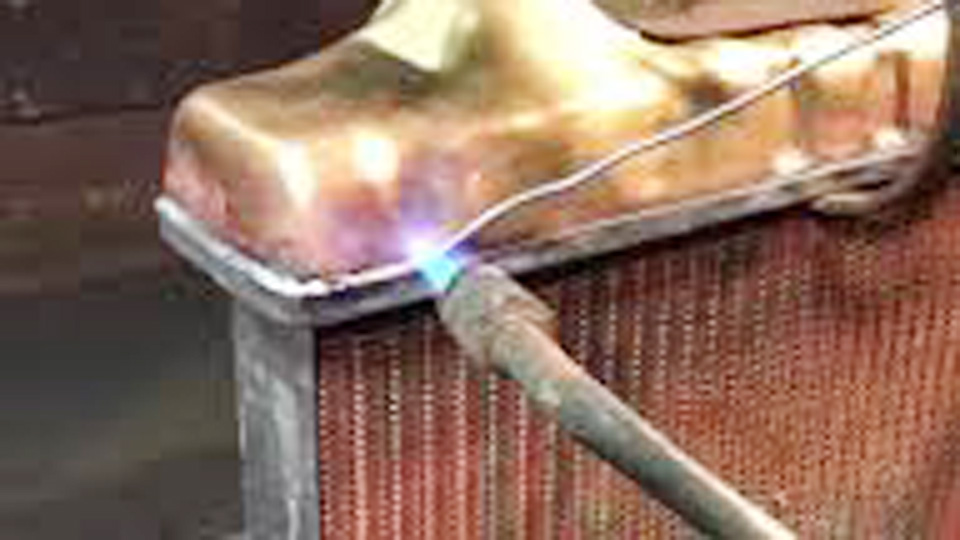
Image by internationalradiator
Identifying Repairable Radiator Damage
Assessing Leak Types and Locations
Pinholes in tubes, seam cracks at headers or tanks, and loose brackets represent the most solder-friendly issues. Small leaks under 1/8 inch often respond well to soldering if the surrounding metal retains sufficient thickness and integrity. Larger perforations or widespread corrosion usually require recoring or replacement.
Pressure-test the system first using a radiator pressure tester (typically 10-15 psi for most automotive applications) to pinpoint all leaks.
Submerge the unit in water or use a soap solution for visible bubble detection. Note that internal tube blockages or fin damage may coincide with leaks, affecting overall cooling efficiency post-repair.
Material Considerations: Copper-Brass vs. Aluminum
Copper-brass radiators solder reliably due to their original construction with lead-tin alloys. The base metals tolerate the low temperatures (around 350-450°F) without melting. Aluminum radiators pose greater challenges because of their oxide layer and lower melting point.
They often require specialized low-temperature solders (e.g., zinc-aluminum alloys or products like Super Alloy 1) rather than standard tin-lead.
Confirm the radiator type before proceeding. Brass/copper shows a yellowish-red hue; aluminum is lighter and silvery. Attempting standard solder on aluminum leads to poor adhesion and rapid failure.
When Soldering Beats Alternatives
Soldering suits repairs where heat input must stay minimal to avoid damaging nearby joints or fins. Brazing offers higher strength but risks overheating adjacent factory solder. TIG welding on thin tubes frequently causes warping or burn-through.
For hobbyists and small shops, soldering provides the best balance of accessibility and performance for non-critical structural areas.
Essential Tools and Materials for Radiator Soldering
Solder Selection
For copper-brass radiators, 50/50 (tin-lead) or 60/40 solder delivers reliable flow and corrosion resistance in coolant environments. Radiator-specific formulations, sometimes with 30/70 ratios or minor silver additions, enhance strength for high-vibration applications. Avoid acid-core solder intended for electronics; use solid wire paired with separate flux.
Aluminum repairs call for low-melt alloys (around 350°F) designed for oxide penetration. Heavy-gauge wire (1/8 inch or thicker) allows faster deposition on larger areas.
Flux Choices and Application
Acid-based fluxes containing zinc chloride or ammonium chloride aggressively remove oxides on brass and copper. Plumbing paste fluxes or specialized radiator fluxes (e.g., tinning fluxes) work effectively. For aluminum, use dedicated fluxes matched to the solder alloy to break the oxide barrier.
Apply flux liberally to cleaned surfaces. Reapply during heating if the area dries out. Post-repair cleanup is critical—residual acid flux causes ongoing corrosion.
Heat Sources and Supporting Equipment
- Propane or MAPP gas torches for controlled heating.
- High-wattage soldering irons (200W+) for small, precise work.
- Oxy-acetylene with a small tip requires extreme caution to prevent overheating.
- Wire brushes (stainless steel for aluminum), emery cloth, sandpaper, and scrapers for cleaning.
- Safety gear, though basic ventilation prevents fume inhalation.
Additional items include a pressure tester, coolant for final testing, and cleaning solutions (warm water with baking soda for neutralizing acids).
Surface Preparation Techniques
Mechanical Cleaning
Remove fins around the repair zone if they obstruct access. Use a stainless steel brush or emery cloth to expose bright, shiny metal. For old radiators, scrape away old solder completely—residual oxidized material prevents new solder wetting.
Sandblasting works for heavy scale but risks thinning thin tubes; follow with thorough rinsing. Chemical cleaners or mild acid dips (followed by neutralization) supplement mechanical methods on stubborn corrosion.
Chemical and Thermal Prep
Flux immediately after mechanical cleaning to prevent re-oxidation. On brass, multiple heat-flux cycles burn off contaminants until the surface accepts solder smoothly. Preheat larger areas evenly to avoid thermal shock that cracks distant joints.
For aluminum, cleaning must be aggressive and immediate before fluxing, as the oxide reforms quickly.
Step-by-Step Soldering Process for Copper-Brass Radiators
- Drain and Dry: Remove all coolant and dry the interior thoroughly.
- Clean the Repair Area: Achieve bright metal as described.
- Flux Generously: Cover the leak and surrounding 1-2 inches.
- Apply Heat: Use a gentle flame or iron to bring the base metal to temperature. The radiator, not the flame, should melt the solder.
- Feed Solder: Touch solder to the hot metal; it should flow and tin the surface. Build a smooth fillet that overlaps the defect by at least 1/4 inch on all sides.
- Control Heat: Move the torch to avoid overheating—look for shiny, smooth flow without burning flux to tar.
- Cool Naturally: Do not quench; allow slow cooling to prevent cracking.
For tank-to-header seams, work in short sections, fluxing and soldering progressively while maintaining even heat.
Specialized Techniques for Aluminum Radiators
Aluminum demands lower temperatures and faster work. Stainless brushing cleans tubes effectively. Specialized rods flow at low heat to avoid melting fins or warping thin sections. Keep the torch perpendicular and use a broad, soft flame. Flux repeatedly during the process.
These repairs often serve as temporary measures; professional TIG welding or replacement yields better longevity in high-stress applications.
Repairing Specific Components
Tubes and Fins
Pin holes in tubes respond well to external patching. Remove obstructing fins carefully. Tin the area first, then build solder thickness. Internal access is limited, so external reinforcement is key.
Tanks and Headers
Seam leaks here require careful disassembly if possible, or in-place repair. Clean mating surfaces thoroughly. For bracket repairs, ensure good mechanical fit before soldering to maximize joint strength.
Structural Brackets and Supports
These often experience vibration. Use slightly higher-tin solders for added durability. Reinforce with larger fillets where feasible.
Post-Repair Inspection and Testing
Pressure test to at least 1.5 times operating pressure (e.g., 15-20 psi) and hold for 15-30 minutes. Monitor for drops. Refill with coolant and run the engine to operating temperature, checking for leaks under thermal expansion.
Inspect solder joints visually for smooth, concave fillets without voids or cracks. Clean all flux residue aggressively to prevent future corrosion.
Factors Affecting Repair Durability
Joint design matters—lap joints or overlapping patches outperform simple fills. Thermal cycling in service stresses solder more than static loads, so proper cleaning and fluxing directly impact longevity.
Environmental factors like coolant chemistry and vibration levels influence outcomes. In high-performance or heavy-duty applications, consider professional recoring after temporary soldering.
Heat management during repair preserves factory joints. Excessive heat can loosen nearby tubes, creating new leaks.
Advanced Considerations for Professional Results
Recoring vs. Patching
For extensively damaged cores, full recoring restores original performance better than multiple patches. Soldering skills transfer directly to reassembly during recoring.
Material Compatibility in Mixed Repairs
When repairing hybrid or older units, verify solder compatibility with any remaining original alloys. Silver-bearing solders improve strength in demanding conditions but require more precise temperature control.
Scaling Repairs for Volume or Complexity
Professional shops use dip tanks or controlled ovens for uniform heating on large units. Hobbyists achieve similar consistency through methodical section-by-section work and patience.
Common Technical Challenges and Solutions
Overheating burns zinc from brass, weakening the base metal and turning it reddish. Use smaller flames and practice heat control. Poor wetting results from insufficient cleaning or wrong flux—re-clean and start over. Cold joints appear dull and grainy; reheat and reflow with additional flux.
Large repairs may need temporary supports or backing plates to maintain alignment during cooling.
Real-World Application Insight
Successful radiator soldering hinges on prioritizing preparation and heat discipline over speed. Choose solder and flux matched to the base metal, execute thorough cleaning, and verify every repair under pressure and temperature. This approach extends service life significantly while minimizing downtime.
An advanced insight: mastering capillary flow dynamics—observing how solder draws into properly prepared joints—separates functional patches from professional-grade, vibration-resistant repairs that rival factory standards.
FAQ
Can you solder an aluminum radiator successfully at home?
Yes, with low-temperature aluminum-specific solder and flux, thorough stainless steel brushing, and careful propane torch control. Results vary; many serve as temporary fixes before professional welding or replacement.
What is the best solder for copper brass radiator repairs?
50/50 or 60/40 tin-lead solder paired with acid or tinning flux provides reliable performance. Radiator-specific alloys enhance results for high-heat or vibration environments.
How long do soldered radiator repairs last?
Well-executed repairs on clean copper-brass units can last years under normal conditions. Longevity depends on cleaning quality, joint design, and operating environment. Regular pressure checks help catch issues early.
Should I repair or replace a leaking radiator?
Repair via soldering makes economic sense for isolated leaks on otherwise sound copper-brass cores. Widespread damage, aluminum construction, or performance-critical applications often justify replacement or professional recoring.