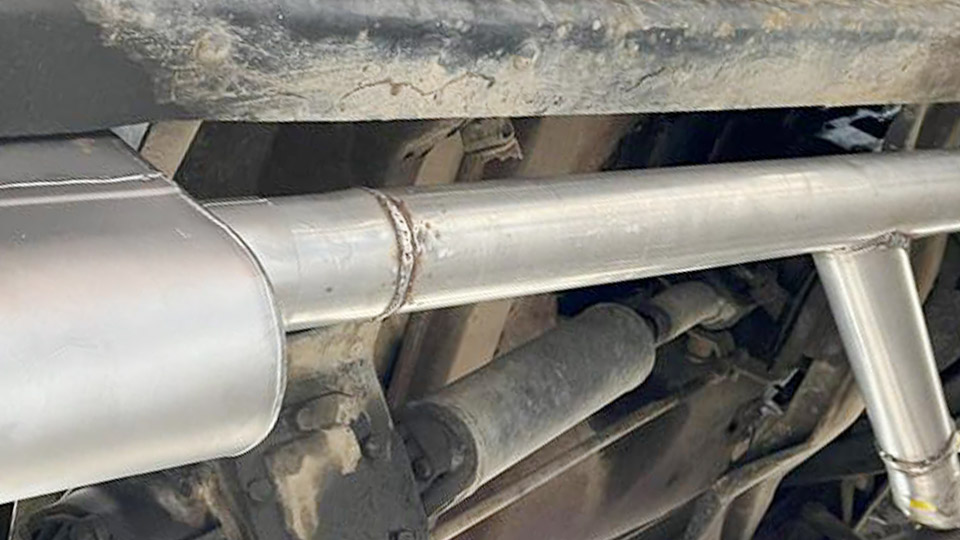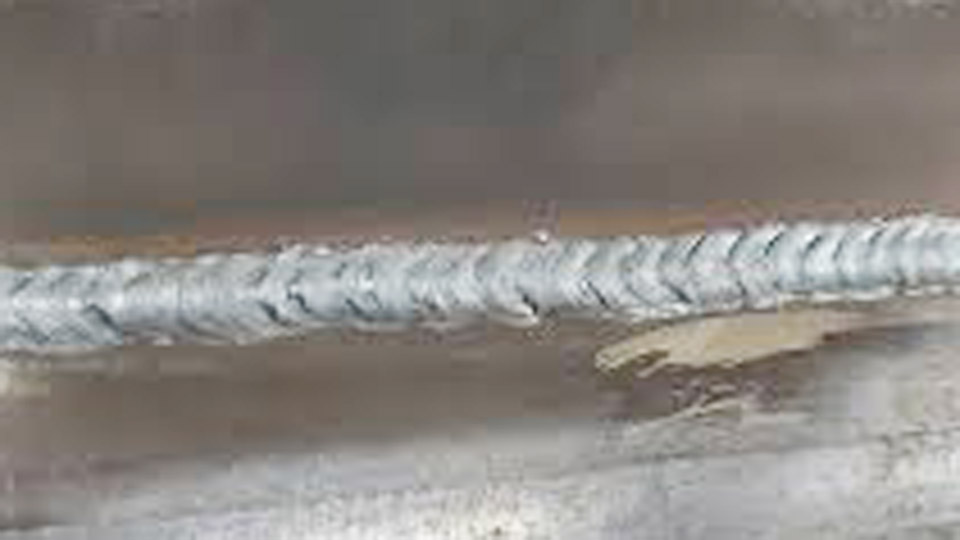
In welding, heat input is one of the most important variables affecting weld quality, mechanical properties, and overall fabrication performance.
Heat Input in Welding refers to the amount of thermal energy delivered to the workpiece during the welding process, and it directly influences penetration, cooling rates, distortion, and the structure of the heat-affected zone (HAZ).
Controlling heat input is critical because excessive heat can increase distortion, reduce toughness, and create metallurgical issues, while insufficient heat may lead to lack of fusion, inadequate penetration, and weld defects that fail inspection requirements.
Whether you’re working with structural steel, pressure vessels, pipelines, or precision fabrication projects, understanding heat input helps ensure consistent and code-compliant welds.
I’ll explain how heat input is calculated, the factors that influence it, and how welders use it to optimize weld quality and process performance.

Image by weldfa
What Heat Input Actually Represents
Heat input quantifies the thermal energy transferred to the workpiece during the welding arc. It governs cooling rates, which in turn control grain size, phase transformations, and residual stresses.
Too much heat slows cooling excessively, promoting coarse grains and softer HAZ regions. Too little accelerates cooling, risking hard, brittle microstructures or lack of fusion.
Engineers specify heat input limits in welding procedure specifications (WPS) because it qualifies as an essential variable in many codes. Exceeding qualified ranges can invalidate procedures and compromise performance in critical applications like pressure vessels or pipelines.
The Standard Heat Input Formula
The most common formula for heat input (HI) in kJ/mm is:
HI (kJ/mm) = (V × I × 60) / (S × 1000) × η
Where:
- V = arc voltage (volts)
- I = welding current (amperes)
- S = travel speed (mm/min)
- η = thermal efficiency factor for the process
This yields arc energy when η = 1; multiplying by efficiency gives true heat input.
Typical efficiency values include:
- GTAW: 0.6–0.7
- SMAW: 0.75–0.8
- GMAW/FCAW: 0.8–0.9
- SAW: ~1.0
For imperial units (kJ/inch), adjust travel speed to inches per minute and use the appropriate conversion. Many shops use online calculators or spreadsheets for quick field estimates, but understanding the variables remains essential for real-time adjustments.
Arc Energy vs. True Heat Input
Some standards reference arc energy (without efficiency) for simplicity, especially in qualification. True heat input accounts for process-specific losses—heat dissipated into the electrode, slag, or surroundings. For critical work, always apply the efficiency factor to align with metallurgical expectations.
In practice, experienced welders monitor voltage and speed more closely than current alone, as these have outsized effects on bead profile and heat distribution.
Effects of Heat Input on Microstructure and Properties
Heat input primarily influences the weld metal and HAZ thermal cycles. Higher values extend time at elevated temperatures, allowing greater austenite grain growth before transformation on cooling.
Grain Size and Phase Transformations in the HAZ
In carbon and low-alloy steels, high heat input enlarges prior austenite grains in the coarse-grained HAZ (CGHAZ). This reduces acicular ferrite formation while favoring grain boundary ferrite and coarser bainite. The result is lower toughness, as larger grains provide fewer obstacles to crack propagation.
Low heat input produces finer grains and more martensite or bainite, increasing hardness but potentially reducing ductility and raising cold cracking risk in susceptible materials.
Optimal ranges balance these competing demands—typically maintaining cooling times (t8/5) that promote desirable microstructures.
For stainless steels, excessive heat input can promote sigma phase or chromium carbide precipitation, degrading corrosion resistance. In aluminum alloys, high heat softens the HAZ through over-aging or annealing effects, reducing strength in heat-treatable grades.
Mechanical Property Changes
Tensile strength and yield often decrease with higher heat input due to coarser structures, while elongation may increase slightly. Impact toughness shows the most sensitivity. For example, in HSLA steels, heat inputs above certain thresholds can drop Charpy values significantly.
Hardness traverses across the weld typically reveal lower values in high-heat welds. This matters for wear-resistant overlays or applications requiring specific hardness profiles.
Table: Typical Heat Input Ranges (kJ/inch)
| Material Type | Recommended Range | Notes |
|---|---|---|
| Carbon Steel (mild) | 30–70 | Balances penetration and toughness |
| HSLA Steels | Up to 115 | Depends on microalloying |
| Austenitic Stainless | <50–60 | Controls sensitization |
| Aluminum | Lower end | Minimize distortion and softening |
These are general guidelines; always consult material-specific WPS or standards like AWS D1.1.
Common Weld Defects Linked to Heat Input
Excessive heat input contributes to:
- Hot cracking: Wider, deeper pools with slower solidification allow segregation and centerline cracking.
- Distortion and buckling: Especially problematic on thin sections or large panels.
- Burn-through: On thin material when parameters aren’t adjusted.
Insufficient heat input leads to:
- Lack of fusion/penetration: Cold laps or incomplete root fusion.
- Porosity: In some cases, from inadequate outgassing.
- Hydrogen cracking: Rapid cooling traps diffusible hydrogen in hard microstructures.
Monitoring heat input helps predict and prevent these by maintaining appropriate cooling rates.
Heat Input Calculation and Control by Welding Process
Different processes deposit energy with varying efficiency and arc characteristics, requiring tailored approaches.
SMAW (Shielded Metal Arc Welding)
SMAW efficiency hovers around 0.75. Heat input varies with electrode diameter, type, and technique. Weave beads increase effective heat input compared to stringers. Typical settings for 1/8″ E7018 on mild steel might run 100–150 A at 20–25 V with travel speeds yielding 1.0–2.5 kJ/mm. Control comes from steady travel and avoiding excessive dwell.
GMAW/MIG and FCAW
Higher efficiency (0.8+) and continuous wire allow higher deposition at controlled inputs. Spray transfer increases heat compared to short-circuit. Pulsed modes excel here by delivering high peak currents for penetration while lowering average heat input—ideal for thin materials or out-of-position welding. Travel speed is the primary lever for adjustment during operation.
GTAW (TIG)
Lowest efficiency (~0.6) demands precise control. Pulsed TIG or high-frequency variants help manage input on thin sections or reactive metals. Amperage and travel speed dominate; filler addition technique also influences net heat. For precision work on stainless or aluminum, many operators target the lowest viable input that achieves full fusion.
Key Factors for Effective Heat Input Management
Primary Welding Parameters
- Travel speed: Most direct control—faster speed lowers input but risks lack of fusion.
- Current (amperage): Increases penetration and pool size.
- Voltage: Affects arc length and bead width; small changes matter.
- Polarity and waveform: DCEN concentrates heat at the workpiece in some processes.
Joint design influences effective input too—narrow grooves reduce weld volume and required heat.
Material Considerations
Thickness dictates minimum heat for fusion versus maximum for property control. Thicker sections tolerate (and sometimes require) higher inputs to slow cooling and prevent cracking. Thin materials demand low heat, often combined with copper backing or skip welding.
Base metal chemistry matters: Higher carbon equivalent (CE) steels need careful limits to avoid martensite. Microalloyed steels benefit from lower inputs to preserve strengthening mechanisms.
Preheat, Interpass, and Post-Weld Heat Treatment
Preheat raises initial temperature, effectively moderating cooling rate without increasing arc energy. Interpass temperature control prevents cumulative heat buildup in multi-pass welds.
For many steels, maximum interpass limits align with heat input restrictions. PWHT can relieve stresses and temper microstructures but doesn’t replace proper arc control.
Strategies for Real-World Control
Calculate target ranges during procedure development using the formula, then qualify with mechanical testing. In production, digital power sources with synergic curves or heat input monitoring simplify compliance.
Welders should practice consistent technique—maintaining short arc lengths, steady travel, and minimal weaving where possible.
For thin materials (<1/8″), prioritize short-circuit or pulsed transfer, vertical-down progression, and stringer beads. On thick sections, multi-pass with controlled interpass and balanced sequences minimize distortion. In field repairs, portable calculators or apps help verify settings on the fly.
Advanced techniques like temper bead welding use specific heat input sequences to refine HAZ properties without full PWHT. Laser and hybrid processes inherently offer lower, more concentrated inputs for high-productivity applications.
Heat Input in Specialized Applications
Pipeline welding often limits heat input (e.g., around 2.5 kJ/mm) to preserve toughness in the HAZ for low-temperature service. Pressure vessel fabrication follows strict qualified ranges per ASME codes.
Repair welding on existing structures requires matching or under-matching original parameters to avoid introducing new weaknesses.
In aluminum fabrication for transportation or marine use, low heat minimizes distortion and preserves strength. Stainless applications in food, pharma, or chemical processing prioritize limits that prevent sensitization.
Decision-Making Framework for Optimal Heat Input
Successful welders integrate heat input into broader parameter selection rather than treating it in isolation. Start with material thickness, joint type, and position to establish a baseline range. Select process and consumables that support efficient energy transfer within that range.
Monitor actual parameters continuously—voltage fluctuations or speed variations can push results outside limits quickly.
The best outcomes come from the minimum heat input that achieves complete fusion and meets property requirements. This principle reduces distortion, refines microstructure, and improves productivity through fewer passes in some cases. Always verify with nondestructive testing and, where required, mechanical tests.
Mastering heat input ultimately means developing an intuitive feel for how voltage, current, and speed interact under real shop or field conditions while respecting metallurgical boundaries. This technical command delivers reliable performance across materials and processes.
FAQ
How do I calculate heat input quickly in the field?
Use HI (kJ/mm) = (V × I × 60) / (S × 1000) and apply the process efficiency factor. Measure travel speed over a timed distance for accuracy. Many modern machines display running calculations.
Does higher heat input always mean a weaker weld?
Not always. It depends on the material and requirements. Excessive heat often reduces toughness and promotes distortion, but in some thick, low-alloy steels, moderate increases can improve ductility by slowing cooling. Stay within qualified limits.
What is the best way to lower heat input without losing penetration?
Increase travel speed, switch to pulsed modes, or use a more efficient process. Smaller diameter electrodes/wires and stringer beads also help concentrate energy.
Can preheat substitute for low heat input?
Preheat modifies cooling rate but does not replace proper arc energy control. Use both in combination for optimal results on crack-sensitive materials.