Many welders encounter frustration when repairing thin aluminum parts or fixing leaks in radiators, boat hulls, or HVAC components. Traditional TIG or MIG welding demands high heat input, specialized equipment, precise settings, and often results in warping or burn-through on thin material.
Low-temperature aluminum welding rods solve this by enabling strong joints at around 730°F using a basic torch, minimizing distortion while delivering bonds often stronger than the base metal in shear.
These rods, frequently zinc-aluminum alloys, function as brazing fillers rather than true weld metal. They flow into joints via capillary action or build-up, creating reliable repairs without melting the parent aluminum.
For DIYers, hobbyists, students, and pros tackling field repairs or light fabrication, they offer accessible, cost-effective results when full fusion welding isn’t practical.
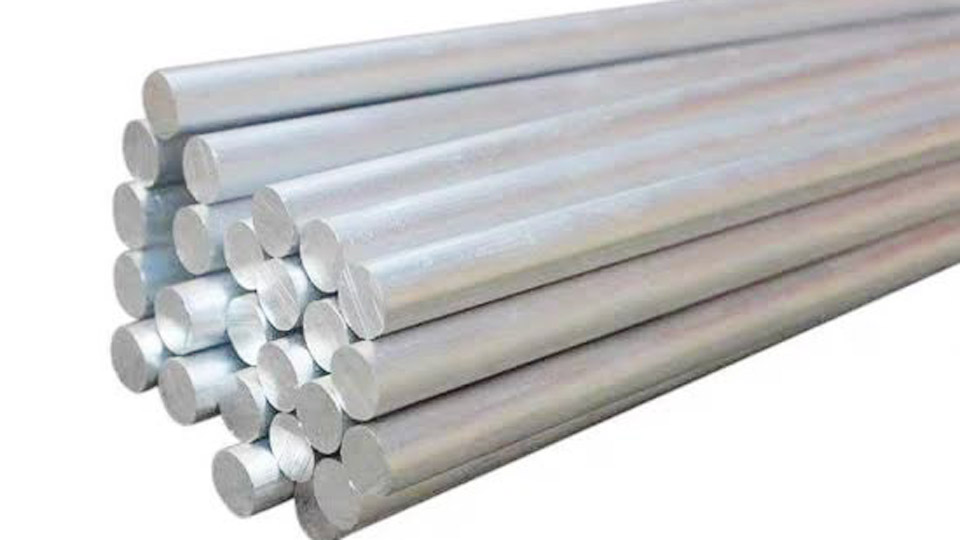
Image by made-in-china
Understanding Low-Temperature Aluminum Brazing vs. Traditional Welding
Melting Points and Heat Management
Aluminum alloys melt between approximately 1,100–1,200°F. Low-temperature rods activate at 700–800°F, typically 730°F for popular options like Harbor Freight Alumiweld or Bernzomatic AL3. This gap prevents base metal melting, reducing warping, residual stress, and heat-affected zone (HAZ) weakening common in arc welding.
Uniform heating of the joint area proves critical. The rod melts from contact with the heated base metal, not direct flame. Overheating risks burning through thin stock or creating brittle intermetallic compounds.
Joint Strength and Metallurgy
Properly executed low-temp joints often exceed base metal strength in non-structural applications due to the filler’s hardness (frequently exceeding mild steel). Corrosion resistance remains excellent in many formulations, matching or surpassing aluminum.
However, these brazed joints lack the full fusion of TIG welds, making them less ideal for high-fatigue or high-temperature cyclic loads above the filler’s melting point.
When Low-Temp Rods Excel Over TIG/MIG
Use them for:
- Thin-gauge sheets (<1/8 inch) prone to distortion.
- Field repairs without power for a welder.
- Dissimilar metal joins (e.g., aluminum to copper in some HVAC setups with compatible fillers).
- Cost-sensitive or one-off fixes on castings, tanks, or frames.
Reserve TIG/MIG for structural load-bearing members requiring maximum ductility and penetration.
Material Compatibility and Rod Selection
Common Alloy Types
Most low-temp rods are zinc-aluminum composites, sometimes flux-cored. Popular choices include:
- Fluxless options (e.g., many Harbor Freight and Hobart variants): No additional flux needed; self-cleaning via heat.
- Flux-coated or cored: Provide extra oxide removal for dirty or oxidized surfaces.
- Al-Si rods (higher temp, ~1,000+°F): For applications needing closer-to-weld performance but still below full melt.
Match rod diameter to joint size—1/8 inch common for general use. Test compatibility on scrap of the same alloy series (e.g., 5xxx or 6xxx).
Surface Preparation Requirements
Cleanliness determines success more than technique. Remove oxides, grease, paint, and contaminants:
- Mechanical: Stainless steel wire brush or fine abrasive (avoid contaminating with steel particles).
- Chemical: Acetone or appropriate solvents; muriatic acid for heavy oxidation (neutralize thoroughly).
- Heat preconditioning: Gentle preheat to drive off moisture and light contaminants.
Re-clean immediately before heating, as aluminum re-oxidizes quickly.
Torch Selection and Heat Control Techniques
Propane vs. MAP/MAPP Gas
Standard propane torches suffice for small, thin parts but heat slower. MAP-Pro or MAPP gas delivers higher output for faster, more uniform heating on thicker sections or larger areas. Use a turbo-torch head for concentrated flame control.
Maintain a neutral or slightly reducing flame to minimize oxidation. Keep the torch moving in a circular or back-and-forth pattern to distribute heat evenly.
Temperature Indicators and Control
- Visual cues: Aluminum darkens or dulls near brazing temperature; a test rod should melt and wet the surface instantly on contact.
- Avoid direct rod heating—apply to the joint edge.
- For larger parts, use multiple passes or backup heat sinks to manage thermal gradients.
- Post-braze: Allow slow cooling; quench risks cracking in some alloys.
Practical Decision Matrix for Heat Sources
| Application Thickness | Recommended Torch | Expected Time to Temp (per joint) | Distortion Risk |
|---|---|---|---|
| <1/16″ sheet | Propane | 30–90 seconds | Low |
| 1/8″ plate | MAP-Pro | 2–4 minutes | Medium |
| Castings/Thick | Oxy-Acetylene or Large MAP | 4–8+ minutes | Higher—use preheat control |
Step-by-Step Joint Preparation and Application
For a typical crack repair or butt/lap joint:
- Fit-up the pieces tightly (0.002–0.005″ gap ideal for capillary flow).
- Clean thoroughly as described.
- Preheat the entire area gradually.
- Bring joint to temperature; touch rod to base metal to initiate flow.
- Feed rod while maintaining heat, working in short segments to fill or build bead.
- For build-up, use a stainless wire or rod to manipulate the puddle if needed.
- Clean flux residue (if present) with hot water or wire brush post-cool.
This process suits lap joints best, where overlap maximizes bond area.
Real-World Applications and Performance
Automotive and Marine Repairs
Low-temp rods repair aluminum fuel tanks, radiators, condensers, boat hulls, and body panels effectively. They seal leaks in Jeep Wrangler condensers or patch Jon boat hulls with minimal distortion, preserving structural integrity for non-critical loads.
HVAC and Refrigeration
Ideal for evaporator/condenser coils and aluminum-to-copper transitions. Low heat preserves thin fins and prevents refrigerant contamination risks associated with high-temp processes.
Fabrication and Prototyping
Hobbyists fabricate brackets, shrouds, or custom parts from scrap aluminum. Students learn joining principles without expensive equipment. Pros use for temporary fixtures or prototypes before final welding.
Limitations in High-Stress Scenarios
Avoid primary structural members in vehicles, pressure vessels, or high-vibration environments unless supplemented by mechanical fasteners. Test joints under expected loads; shear strength is typically excellent, but peel/tensile may differ from fusion welds.
Advanced Techniques for Better Results
Multi-Pass and Build-Up Strategies
For deeper repairs or filling voids, apply successive layers after the first sets. Maintain interpass temperature control to prevent overheating. Some users scratch the molten pool with stainless wire to improve flow on stubborn surfaces.
Post-Processing and Machinability
Brazed areas machine well and accept paint or powder coating after cleaning. The filler’s hardness often allows filing or sanding to blend seamlessly.
Troubleshooting Common Issues
- Poor flow: Insufficient heat or dirty surface—re-clean and increase dwell time.
- Cracking: Rapid cooling or incompatible alloys—slow cool and match filler.
- Porosity: Contaminants or oxidizing flame—improve prep and flame adjustment.
- Weak bond: Inadequate overlap—redesign joint geometry for more surface area.
Equipment and Consumables Optimization
Beyond rods and torch, stock dedicated stainless brushes, flux (when needed), and heat-resistant gloves. For production, consider induction or furnace setups, though torch remains king for portability. Compare brands via destructive testing on your specific alloys—Hobart, Blue Demon, and generics vary in flow and strength.
Track costs: A pack of rods plus torch fuel often undercuts a single TIG repair session for small jobs.
Decision-Making Summary for Welders
Low-temperature aluminum welding rods deliver practical, high-value repairs where traditional methods falter due to heat sensitivity or equipment constraints. Prioritize thorough cleaning, uniform heating, and proper joint design over speed. For thin aluminum repairs, HVAC fixes, or hobby projects, they provide reliable performance with minimal setup.
In demanding applications, view them as complementary to full welding—use brazing for accessibility and TIG for ultimate strength.
The advanced insight: mastering heat distribution and capillary flow here directly improves your TIG puddle control on aluminum, as both rely on precise thermal management rather than brute force. Experiment on scrap to calibrate your technique for consistent, professional results.
FAQ
Are low-temperature aluminum welding rods as strong as TIG welds?
In shear and for non-structural repairs, they often match or exceed base metal strength with less distortion. However, they do not provide the same fusion and ductility as TIG for high-load structural applications. Test for your specific use case.
Can I use a standard propane torch with these rods?
Yes. Propane works well for thin materials; MAP gas speeds the process on thicker sections. Focus on heating the base metal evenly rather than torch power alone.
Do low-temp rods work on cast aluminum?
They perform effectively on many castings after thorough cleaning, often succeeding where TIG struggles due to lower heat input. Results vary by alloy—test first.
How long do low-temperature aluminum brazed joints last?
They offer excellent corrosion resistance and durability in normal environments (boats, HVAC, automotive). Avoid prolonged exposure above the filler melt point or extreme cyclic loading without reinforcement.