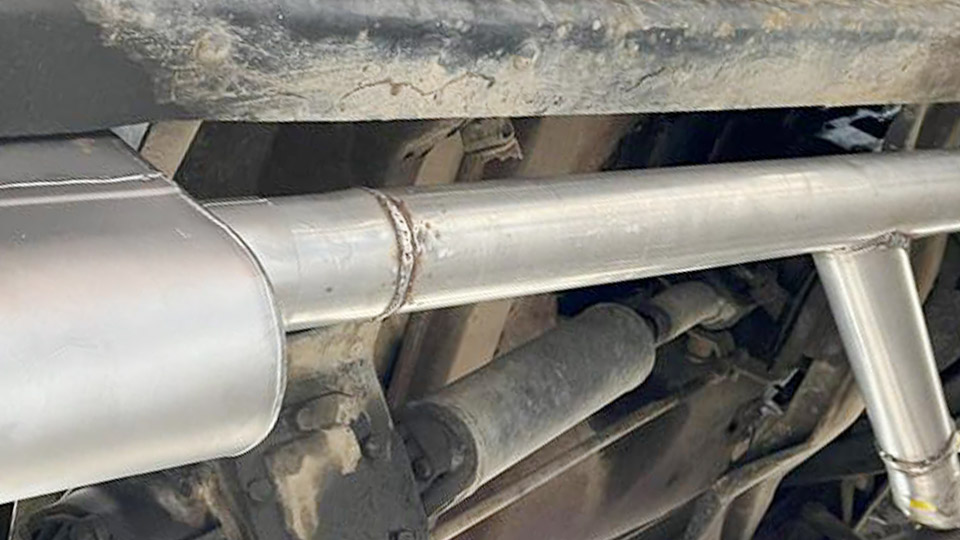
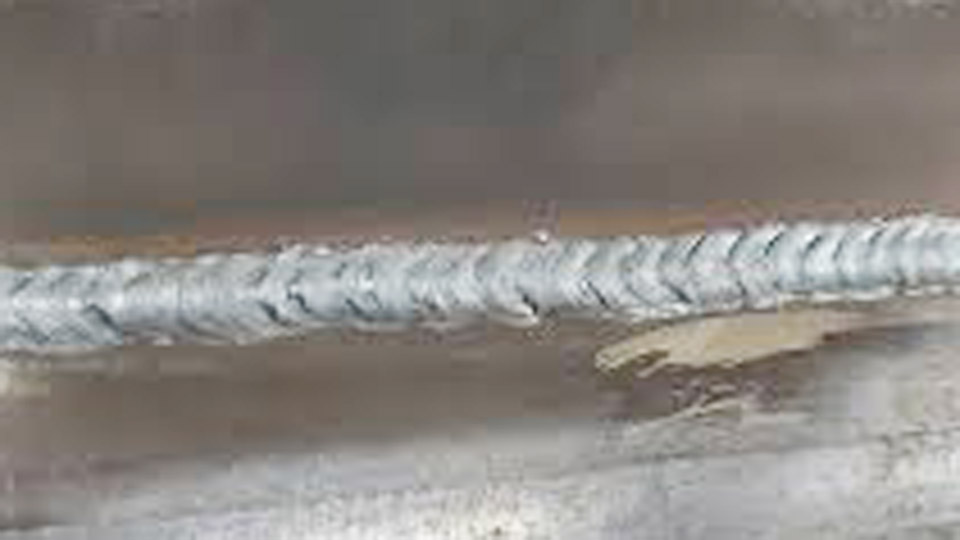
Can you braze aluminum to steel? Yes, but joining these two metals is more complicated than brazing similar materials. Aluminum and steel have significantly different melting points, thermal properties, and oxide behavior, making conventional brazing techniques difficult to apply without the right filler, flux, and heat control.
The main challenge is creating a reliable bond at the interface without melting or excessively heating the aluminum or damaging the steel.
For repairs, fabrication, and mixed-metal assemblies, choosing an appropriate brazing method is critical because poor surface preparation or incompatible filler can result in weak bonding, poor wetting, or premature joint failure.
Understanding the available techniques, limitations, and material considerations will help you determine whether aluminum-to-steel brazing is practical for your specific application and how to approach the joint correctly.
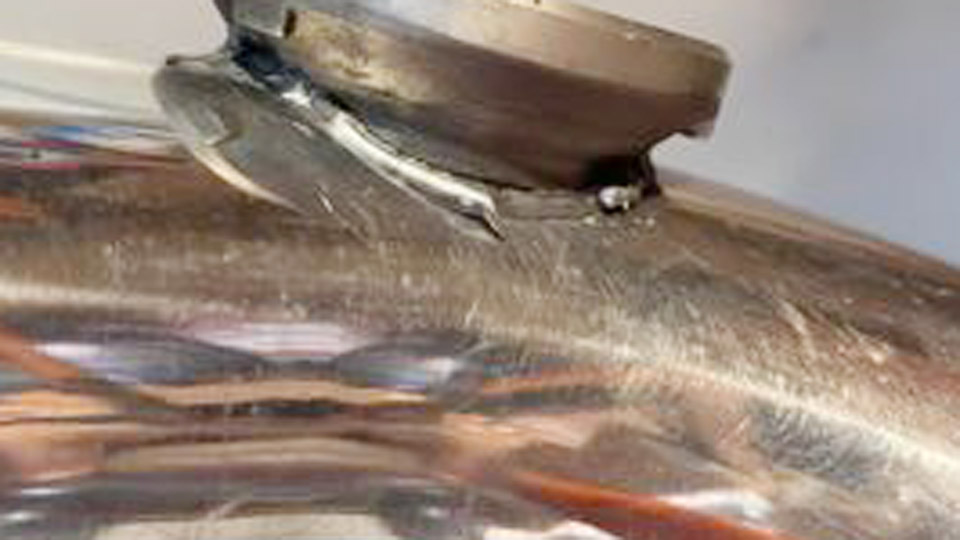
Image by r/metalworking
Why Direct Fusion Fails and Brazing Succeeds
Aluminum and steel differ in nearly every thermal and metallurgical property that governs joining. Aluminum melts near 1220 °F (660 °C) while most steels remain solid until roughly 2500 °F (1370 °C). Any attempt to melt the steel side destroys the aluminum.
Even if temperatures could be balanced, iron and aluminum form a series of brittle intermetallic compounds (primarily FeAl₃ and Fe₂Al₅) almost as soon as molten aluminum contacts solid steel. These layers grow rapidly above 900 °F and turn the interface into a ceramic-like film that cracks under residual stress.
Melting-Point and Solubility Barriers
The near-zero solid solubility of iron in aluminum means the two metals cannot form a ductile solid-solution weld pool. Brazing sidesteps the problem by keeping both base metals solid while a lower-melting filler flows between them by capillary action.
Typical filler liquidus temperatures fall between 890 °F and 1100 °F—safely below aluminum’s solidus yet high enough for adequate wetting once oxides are cleared.
Thermal-Expansion Mismatch
Aluminum expands and contracts at roughly twice the rate of steel. On cooling from brazing temperature the aluminum contracts more, placing the joint in tension.
Joint design must accommodate this through generous overlap, mechanical interlocking, or intermediate layers that absorb strain. Without those measures even a sound metallurgical bond can crack during the first thermal cycle.
Filler Metals That Actually Wet Both Surfaces
Not every aluminum brazing rod works on steel. The filler must wet aluminum after oxide removal and simultaneously wet the iron surface without promoting thick intermetallics.
Aluminum-Silicon Alloys
Al-Si fillers such as 4047 (approximately 12 % silicon) melt near 1070–1080 °F. Silicon lowers the melting range and improves flow on aluminum. Wetting on bare steel is marginal; a thin intermetallic layer still forms, so heating cycles must remain short. These rods are the most common choice for torch work when the joint sees only moderate loads.
Zinc-Aluminum Alloys
Zn-Al fillers (typically 2–22 % aluminum) operate at lower temperatures, often 700–900 °F. The zinc component improves wetting on steel and reduces the tendency for thick Fe-Al intermetallics. Joints tend to be less ductile than pure Al-Si deposits, so Zn-Al is preferred for applications where lower heat input matters more than maximum toughness.
Silver-Bearing and Specialized Options
Silver-based brazing alloys can produce excellent wetting on steel, but cost and the need for precise temperature control limit their use to high-value work. Some industrial processes plate the steel with nickel first, then braze aluminum to the nickel layer; the nickel acts as a diffusion barrier that virtually eliminates iron aluminides.
| Filler Type | Approx. Melting Range | Wetting on Aluminum | Wetting on Steel | Typical Use Case |
|---|---|---|---|---|
| Al-Si (4047) | 1070–1080 °F | Excellent | Moderate | General torch and furnace work |
| Zn-Al | 700–900 °F | Good | Good | Lower-temperature repairs |
| Silver-based | 1100–1200 °F | Good | Excellent | High-strength or critical joints |
| Ni-plated barrier | Depends on top filler | Excellent | Via Ni layer | Production or high-reliability |
Flux Selection and Surface Preparation Requirements
Aluminum oxide melts above 3700 °F and reforms instantly in air. Standard steel fluxes cannot dissolve it. Specialized aluminum fluxes—cesium-aluminum-fluoride complexes or NOCOLOK-type non-corrosive fluoride fluxes—are mandatory.
These fluxes become active in the 780–1100 °F window, dissolve the oxide, and protect the surface long enough for the filler to flow.
Cleaning Sequence That Determines Success
Mechanical cleaning must precede flux application. A stainless-steel brush reserved for aluminum removes the bulk oxide without embedding iron particles. Steel surfaces need grinding or abrasive blasting to bright metal.
Degrease both sides with acetone or a commercial solvent immediately before fluxing. Any residual oil or heavy oxide defeats even the best flux. Apply flux generously to the joint area and, when possible, to the filler rod itself. Flux-cored or flux-coated rods simplify delivery but still require clean base metal.
Heat-Source Choices and Temperature-Control Strategy
Torch, induction, and furnace methods all work, yet each imposes different constraints on intermetallic growth.
Torch Brazing Technique
A neutral or slightly reducing oxy-fuel or MAPP flame is common for field work. Heat the steel side first because of its higher thermal mass and lower conductivity relative to aluminum. Once the steel reaches temperature, sweep the flame across the aluminum just enough to bring the joint into the flux-activation range.
Feed filler only when the flux turns clear and fluid; the rod should melt from contact with the hot metal, not from the flame. Keep total time above 900 °F under 30–60 seconds whenever possible. Longer dwell times thicken the intermetallic layer and raise the risk of cracking on cooldown.
Induction and Furnace Alternatives
Induction heating concentrates energy and shortens the cycle, making it attractive for production tubes or fittings. Controlled-atmosphere or vacuum furnaces eliminate the need for aggressive flux on some alloy combinations and produce the most uniform results, but they require specialized equipment and are rarely practical for one-off repairs.
Joint Design Decisions That Compensate for Expansion and Strength Limits
Brazed aluminum-to-steel joints rarely match the strength of a same-metal weld. Typical shear strengths fall in the 15–25 ksi range depending on filler, overlap, and intermetallic thickness. Design for that reality.
Overlap and Clearance Guidelines
Aim for an overlap of at least three to four times the thickness of the thinner member. Capillary clearance of 0.002–0.005 in produces the strongest capillary fill. Larger gaps require more filler and increase the chance of voids.
Where possible, incorporate a mechanical interlock—flanges, steps, or rivets—so the braze does not carry pure tensile or peel loads.
Managing Residual Stress
Clamp the assembly rigidly during heating and allow slow, uniform cooling. Rapid air quenching magnifies the expansion mismatch. For cyclic-service parts, consider an intermediate zinc or nickel layer that can deform and relieve stress.
Post-braze stress-relief at modest temperature is sometimes used, but only after verifying that the filler and base metals will not continue to react.
When Brazing Is the Wrong Choice and Better Alternatives Exist
Brazing suits non-structural brackets, heat-exchanger transitions, exhaust components, and light frames. It is the wrong process for primary structural members, high-vibration chassis points, or joints that must carry significant tensile load in corrosive environments.
Mechanical Fastening and Adhesives
Bolts, rivets, or structural adhesives avoid heat entirely and eliminate intermetallic risk. Isolation washers or coatings prevent galvanic corrosion between the two metals. Adhesive bonds can exceed braze strength in pure shear when surface preparation is thorough, yet they lose capacity at elevated temperature.
Bimetallic Transition Inserts
Explosion-bonded or roll-bonded aluminum-steel inserts allow conventional welding on each side of the insert. The pre-formed metallurgical bond already contains a controlled intermetallic layer engineered for toughness.
These inserts deliver the highest strength and are the standard solution in pressure vessels, shipbuilding, and critical automotive structures when the joint must approach parent-metal performance.
Corrosion and Service-Life Considerations After the Braze
Aluminum is anodic to steel in most electrolytes. Once the joint enters service, especially outdoors or in the presence of road salt, galvanic attack concentrates at the interface. Seal the joint with a compatible coating, paint, or dielectric barrier.
Zinc-rich primers or aluminum-filled coatings slow the reaction. In closed systems such as heat exchangers, inhibitor packages and regular inspection become part of the maintenance plan.
Wrapping Up
Choosing brazing for aluminum-to-steel work succeeds when the joint geometry provides generous overlap, the filler and flux are matched to both metals, and heat input is deliberately limited to suppress intermetallic growth.
For any application that demands higher strength or long-term structural reliability under cyclic load, move to a bimetallic transition insert or a non-thermal fastening method.
Advanced practitioners further improve longevity by plating the steel with a thin nickel barrier before brazing; the barrier virtually eliminates iron aluminide formation and raises the safe service temperature of the finished assembly.
FAQs
Can you braze aluminum to stainless steel the same way?
Yes, with the same Al-Si or Zn-Al fillers and aluminum-specific fluxes. Stainless requires even tighter temperature control because chromium oxides form readily; short heating cycles remain essential.
What is the strongest filler for aluminum-to-steel brazing?
Al-Si 4047 or Zn-Al alloys produce the most consistent shop results. Silver-bearing alloys or nickel-plated barriers yield higher strength but at greater cost and process complexity.
How thick can the intermetallic layer be before the joint fails?
Layers thicker than approximately 10 µm sharply reduce ductility. Keep total time above 900 °F as short as practical to stay well below that threshold.
Is torch brazing strong enough for automotive exhaust or brackets?
It is adequate for non-primary structural brackets and certain exhaust transitions when overlap is generous and corrosion protection is applied. Primary chassis or suspension members require mechanical fasteners or transition inserts.