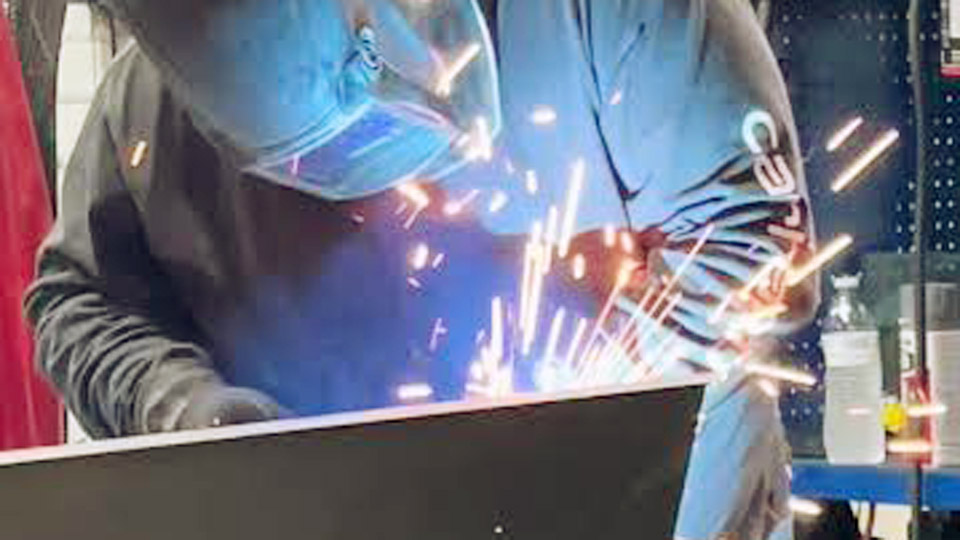
A common shop mistake is assuming clear safety glasses alone will stop welding flash during a quick tack or while helping nearby. The result is often arc eye—painful corneal burns that appear hours later—because do clear safety glasses protect from welding flash is a question with a clear technical answer: they do not replace a proper welding filter.
Clear lenses handle impact and offer limited UV blocking, but they transmit far too much intense ultraviolet, visible, and infrared radiation from an arc. That exposure damages the cornea and can contribute to longer-term issues.
Correct protection decisions depend on the process, amperage, distance, and whether the eyes face the arc directly or only reflected light. Understanding the radiation output and the limits of ANSI Z87.1 clear eyewear prevents unnecessary injury and keeps the focus on the weld itself.
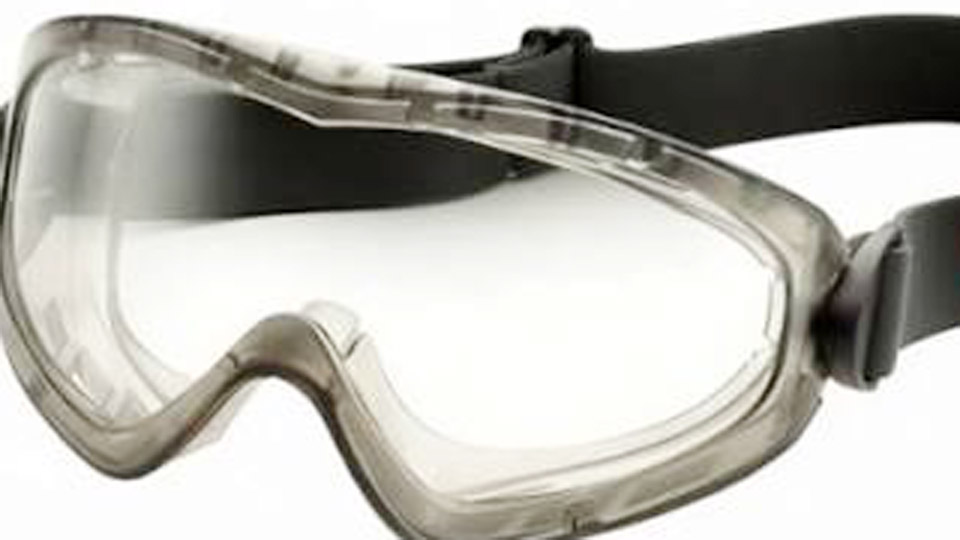
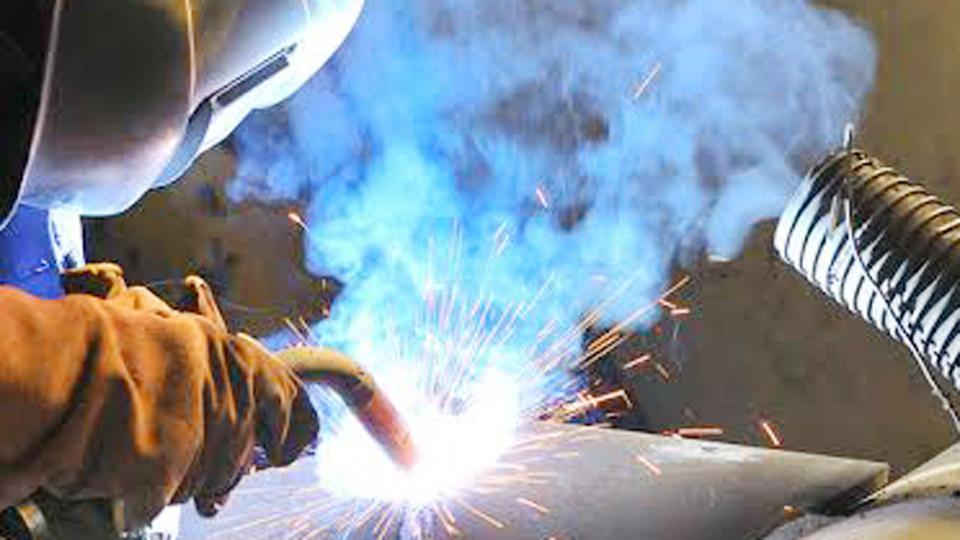
Image by mjstraders
What Radiation Does a Welding Arc Actually Produce?
Welding arcs emit energy across ultraviolet (UV), visible, and infrared (IR) bands at intensities far higher than ordinary light sources. The UV component causes the acute corneal injury known as photokeratitis or arc eye. Visible light overwhelms the retina if unfiltered. IR contributes heat that can affect deeper structures over repeated exposure.
UV Output and Corneal Damage Thresholds
UV wavelengths from the arc (primarily UVA and UVB) reach the cornea within seconds of unprotected exposure. Even brief direct viewing or close-range reflected light can produce symptoms that peak 6–12 hours later: gritty sensation, tearing, light sensitivity, and temporary vision reduction.
Polycarbonate clear lenses absorb a high percentage of UV, but the intensity of a welding arc exceeds what clear eyewear is designed to attenuate for direct or near-direct viewing.
Visible Light and IR Contributions
The visible arc is bright enough to cause temporary after-images and discomfort even through ordinary tinted glasses. IR radiation adds thermal load. Welding filter shades are calibrated to reduce all three bands simultaneously to safe transmittance levels. Clear safety glasses lack that calibrated optical density.
How Clear Safety Glasses Perform Against Welding Radiation
ANSI/ISEA Z87.1-rated clear safety glasses are engineered for impact resistance (basic or high-impact “+” rating) and often include inherent UV absorption from polycarbonate. They are not welding filters.
Impact Protection Versus Radiation Filtration
Clear lenses stop flying slag, grinding particles, and debris. Side shields or wraparound designs improve coverage against lateral hazards. Radiation protection, however, requires specific transmittance limits defined for welding filter lenses (marked with a “W” plus shade number). Clear lenses do not meet those limits for arc processes.
Measured UV Blocking in Polycarbonate Lenses
Quality polycarbonate safety glasses can block the majority of UVA and UVB under ordinary conditions. That property helps against incidental shop UV or distant reflected light. It does not equal the attenuation of a shade 8–14 filter required when the eyes face an active arc at typical working distances.
Relying solely on the UV absorption of clear lenses for arc viewing leaves the cornea unprotected against the arc’s peak intensity.
When Clear Safety Glasses Are Useful in a Welding Environment
Clear Z87.1+ glasses serve specific supporting roles. They are not primary arc protection.
Under the Helmet as Secondary Protection
Most safety programs and OSHA guidance recommend clear safety glasses with side protection worn under a welding helmet. When the helmet is raised for inspection, chipping, or grinding, the glasses continue to block debris and provide a residual UV barrier against reflections that can enter under the helmet shell. The helmet filter handles the arc radiation; the glasses handle impact and secondary exposure.
Grinding, Chipping, and Non-Arc Tasks
For angle grinding, slag removal, wire brushing, and material handling, clear high-impact safety glasses are the correct choice. Shaded welding lenses are unnecessary and reduce visibility for these tasks. Switching to clear eyewear between welding passes maintains protection without compromising sight.
Bystander and Helper Exposure Limits
Helpers and nearby workers can develop arc eye from indirect exposure. Clear safety glasses offer partial UV reduction and impact protection, but they are insufficient for anyone who can see the arc. Welding screens, barriers, or appropriate filter lenses are required when workers remain in the radiation zone. Distance alone is not reliable protection.
Required Protection Levels for Different Welding Processes
The correct filter depends on process type and current. Clear lenses never meet the minimum for arc viewing.
Arc Welding (SMAW, GMAW/MIG, GTAW/TIG, FCAW)
These processes require a welding helmet or hand shield fitted with a filter of appropriate shade. Typical minimums rise with amperage:
| Process | Approximate Current | Typical Shade Range |
|---|---|---|
| Stick (SMAW) | 60–160 A | 10–12 |
| Stick (SMAW) | >160 A | 12–14 |
| MIG/FCAW | 60–160 A | 10–12 |
| MIG/FCAW | >160 A | 12–14 |
| TIG (GTAW) | <50 A | 8–10 |
| TIG (GTAW) | 50–150 A | 10–12 |
| Plasma cutting | Varies | 8–14 |
Start at the darker end of the recommended range and lighten only while remaining at or above the minimum. Auto-darkening filters must still meet the selected shade in the dark state.
Oxy-Fuel Welding, Cutting, and Brazing
These operations produce less UV than electric arcs but still require filter lenses. Shade 3–4 covers light brazing and thin-section cutting; shade 5–6 is common for heavier gas welding and cutting. Clear safety glasses are inadequate. Dedicated welding goggles or a face shield with the correct shade provide the needed IR and visible-light reduction.
Practical Decision Rules for Eye Protection Selection
Match the protector to the radiation source and the task sequence rather than using one pair of glasses for everything.
Direct Arc Viewing Versus Indirect Exposure
Any task that requires looking at the arc demands a rated welding filter. Tasks performed with the arc extinguished or fully screened can use clear impact-rated eyewear. Reflections from stainless, aluminum, or polished surfaces increase the risk of incidental exposure and favor keeping clear glasses on under the helmet at all times.
Helmet + Glasses Layering
The combination of a properly shaded helmet plus clear Z87.1+ glasses underneath addresses both radiation and mechanical hazards. The glasses remain in place when the helmet is lifted, preventing the common error of leaving the eyes unprotected during post-weld cleaning.
Shade Selection and Visibility Trade-Offs
Darker shades increase protection but reduce detail visibility in the weld pool. Choose the lightest shade that still meets the process minimum and allows clear viewing of the puddle and joint edges. Inconsistent shade selection across similar jobs often signals incomplete hazard assessment.
Standards and Markings That Confirm Adequate Protection
Look for specific markings rather than relying on appearance or marketing claims.
ANSI/ISEA Z87.1 and Welding Filter Codes
Impact-rated eyewear carries “Z87” or “Z87+”. Welding filters add a “W” followed by the shade number (for example, W10). UV, IR, or special-purpose filters may carry additional scale markings. Clear lenses without a W-shade designation are not welding filters.
OSHA Requirements for Light Radiation
OSHA 29 CFR 1910.133 requires filter lenses of appropriate shade when workers are exposed to injurious light radiation. The standard references shade selection tables tied to process and current. Clear impact glasses satisfy the impact portion of the rule but not the radiation portion for arc work.
Wrapping Up
Clear safety glasses protect against mechanical hazards and supply useful secondary UV reduction, yet they transmit too much arc radiation to serve as primary protection against welding flash. Direct arc viewing always requires a correctly shaded welding helmet or equivalent filter.
Wear clear Z87.1+ glasses under the helmet and for all non-arc tasks; use process-specific shades for gas welding and cutting. Selecting protection by the actual radiation intensity of the operation, rather than by convenience, keeps both acute arc-eye injuries and cumulative exposure under control.
Advanced operators treat the helmet filter as the primary radiation barrier and the clear glasses as the continuous impact and residual-UV layer that remains active during every helmet lift and shop movement.
FAQs
Can I weld with only clear safety glasses?
No. Arc welding requires a welding helmet or hand shield with the correct filter shade. Clear glasses provide impact protection and limited UV blocking but do not attenuate the arc’s radiation to safe levels.
Do clear safety glasses block any UV from welding?
Quality polycarbonate clear lenses block a high percentage of ordinary UV, which helps against distant reflections or incidental exposure. They do not provide the optical density needed for direct or near-direct arc viewing.
Should I wear safety glasses under a welding helmet?
Yes. Clear Z87.1+ glasses with side protection serve as secondary impact protection when the helmet is raised and add a residual barrier against reflected UV that can enter under the helmet shell.
What shade is needed for MIG welding at 150 amps?
Typical recommended range is shade 10–12. Start darker if glare is uncomfortable and lighten only while staying at or above the process minimum.