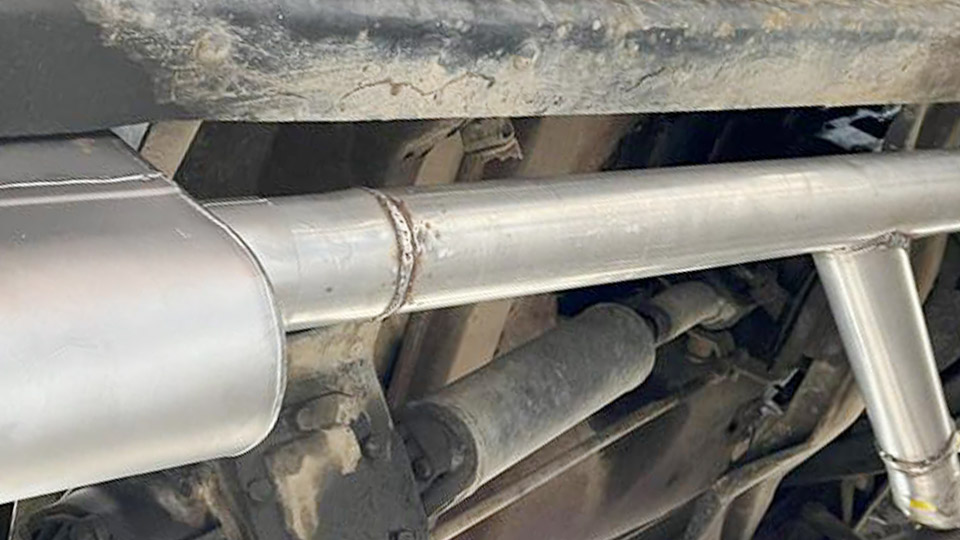
Many welders face uncertainty when deciding between stringer and weave bead techniques, especially on critical joints where heat input, penetration, and mechanical properties determine success or failure. Stringer vs weave bead welding directly impacts weld quality, productivity, and compliance with codes like AWS D1.1.
Stringers deliver narrow, straight passes with lower heat input and often superior toughness, while weaves cover wider areas faster but increase heat and can enlarge the heat-affected zone (HAZ).
Selecting the correct approach based on material, thickness, position, and service conditions separates adequate welds from high-performance ones. I’ll discuss the precise technical comparisons, real parameter guidance, and decision-making frameworks for DIY enthusiasts, students, and professionals.
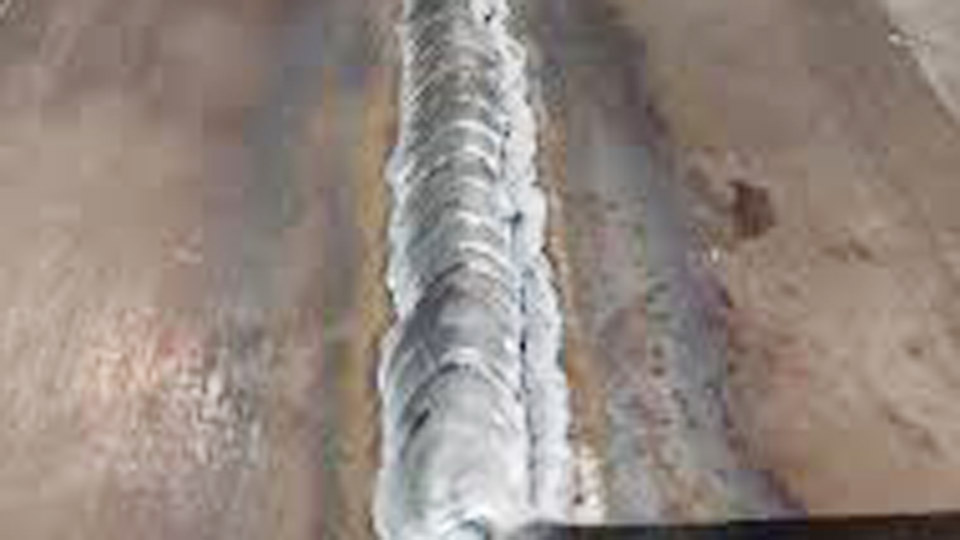
Image by fb/I See You Don’t Know Shit About Welding
What Are Stringer Beads?
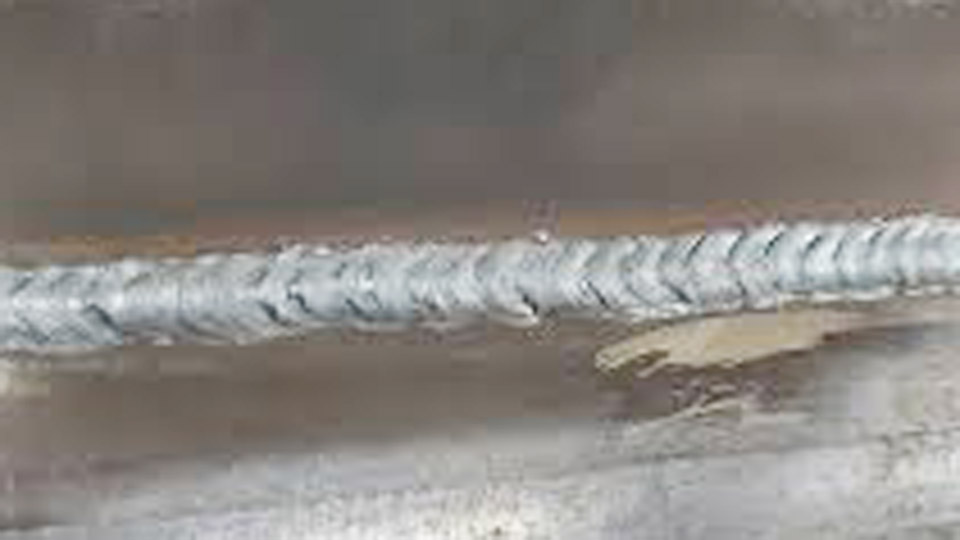
Stringer beads form by moving the electrode or torch in a straight line with minimal or no side-to-side oscillation. The result is a narrow, consistent bead typically 2–4 times the electrode or wire diameter wide.
Key Characteristics and Deposition
Stringers emphasize forward travel speed and focused arc energy. In practice, this produces deeper penetration per pass with less overall heat input compared to weaves at equivalent parameters. Travel speeds often range 8–15 inches per minute (ipm) or higher in flat positions with MIG, depending on settings.
Narrow beads minimize puddle size, reducing the risk of slag inclusions and allowing quicker interpass cooling. This grain refinement from multiple overlapping passes benefits multi-layer welds on thicker materials.
Metallurgical Advantages
Lower heat input from stringers limits HAZ width and preserves base metal properties, particularly in quenched and tempered (Q&T) steels or alloys sensitive to high temperatures. Multiple stringer passes can create a tempering effect on previous layers, improving toughness.
In high-restraint joints, stringers reduce the likelihood of centerline cracking by distributing shrinkage stresses across more passes.
What Are Weave Beads?
Weave beads incorporate deliberate side-to-side motion—such as zigzag, crescent, or figure-eight patterns—while progressing along the joint. This creates wider beads, often 3/4 inch or more, depending on code limits and electrode size.
Technique Variations and Control
Common patterns include:
- Crescent weave: Pause at edges for sidewall fusion.
- Figure-eight or triangular: For vertical control and fill.
- Whip motion: Common in stick root passes for out-of-position work.
Weaves slow travel speed significantly, increasing dwell time and heat input. This deposits more filler metal per pass, useful for filling wide grooves or gaps.
When Wider Coverage Matters
Weaves excel at bridging larger root openings or building up thick sections efficiently. They improve fusion on beveled joints with poor fit-up and allow better contouring for cover passes, reducing the need for excessive grinding.
Heat Input Comparison and Effects on Weld Properties
Heat input (HI) is calculated as (Amps × Volts × 60) / Travel Speed (ipm), in kJ/in. Stringers maintain higher travel speeds, lowering HI. Weaves reduce speed, raising HI—sometimes by 30–50% or more on wide patterns.
Higher HI enlarges the HAZ, promotes coarser grain structures, and can reduce impact toughness (e.g., Charpy V-notch values). Tests often show stringer multipass welds outperforming wide weaves in tensile strength and toughness due to lower cumulative heat and better refinement.
For carbon steels, excessive weave HI risks lowered ductility. In stainless or high-strength alloys, it may compromise corrosion resistance or promote sensitization.
Practical Example Table (Approximate for 1/8″ E7018 SMAW on mild steel):
| Technique | Typical Travel Speed (ipm) | Est. Heat Input (kJ/in) | HAZ Impact |
|---|---|---|---|
| Stringer | 6–10 | 15–25 | Narrow, finer grain |
| Narrow Weave | 3–6 | 25–40 | Moderate |
| Wide Weave | 1–3 | 40+ | Wider, potential toughness loss |
Adjust based on exact parameters and joint. Always qualify with procedure specifications (WPS).
Penetration, Fusion, and Defect Risks
Stringers concentrate energy for deeper, narrower penetration profiles—ideal for root passes in grooves or tight fillets. This minimizes lack of fusion (LOF) when parameters are dialed correctly.
Weaves spread energy, improving sidewall fusion on wide joints but risking shallow centers or overlap if pauses are insufficient. Wide weaves increase chances of slag entrapment, porosity from prolonged puddle exposure, and undercut at edges.
In X-ray quality work, stringers often yield cleaner results with fewer stops/starts. Weaves can reduce discontinuities in skilled hands by keeping the puddle fluid longer.
Process-Specific Guidance: SMAW, GMAW, GTAW
Stick Welding (SMAW)
Stringers suit 7018 on critical structural work for control and low HI. Use 3/32″ or 1/8″ rods at 90–140 amps. Vertical uphill stringers require steady puddle control without excessive weaving.
Weaves work well for 6010/6011 root passes (whip technique) or fill/cover on non-critical joints. Limit weave width to 3–4 times electrode diameter per many practices. Downhill stringers speed production on thinner material.
MIG/FCAW (GMAW/FCAW)
Stringers predominate in wire processes for efficiency. .035″ wire on 1/4″ plate: 180–220 amps, 22–26V, 250–350 ipm wire speed. Maintain short-circuit or spray transfer with minimal manipulation.
Weaves help vertical fillets or wide gaps but increase spatter and distortion. Use pulsed MIG for better control on weaves. Flux-cored often tolerates wider weaves outdoors.
TIG (GTAW)
Stringers provide precise, low-HI control on thin stainless or aluminum. Weaves fill thicker sections or build contours but demand excellent torch and filler coordination to avoid tungsten contamination.
Position and Joint Type Considerations
Flat/Horizontal: Stringers maximize speed and deposition efficiency. Weaves for wide caps if aesthetics matter.
Vertical: Uphill weaves (triangular or crescent) control puddle better against gravity. Stringers possible with smaller diameters but require faster travel and skill. Downhill favors stringers for speed on fillets.
Overhead: Stringers reduce puddle sag. Narrow weaves demand tight control.
Groove Joints: Stringer root + layered stringers for thickness. Weave fills where fit-up varies.
Fillet Welds: Stringers for strength-critical; slight weave for throat buildup.
Code Compliance and Qualification
AWS D1.1 treats weave width as an essential variable in some qualifications, especially where impact testing applies. Stringers face fewer restrictions and support lower HI envelopes. Many fabricators specify stringers for Q&T steels or high-restraint areas.
ASME codes vary; consult specific WPS. Prequalified procedures may limit weaves in certain positions (e.g., FCAW max widths). Always document technique in the procedure to maintain qualification.
For pressure vessels or dynamic loads, prioritize stringers or controlled narrow weaves to optimize toughness.
Productivity, Distortion, and Cost Factors
Weaves reduce pass count and arc time on wide joints, boosting productivity where time matters. Stringers increase passes but allow higher overall travel speeds and less post-weld straightening due to lower distortion.
Distortion management favors stringers, especially on thin sections or long seams. Balance with interpass temperatures (typically 150–300°F for many steels) and sequencing.
In field work, stringers minimize stops/starts that introduce defects. Shop environments with mechanized setups lean toward optimized stringers.
Decision Framework: When to Choose Each
Evaluate these factors in order:
- Material and Thickness: Thin (<1/8″) or heat-sensitive → stringers. Thick sections with gaps → weaves.
- Service Requirements: High toughness, fatigue, or pressure → stringers or narrow weaves. Static structural → either with proper execution.
- Position: Out-of-position control needs → appropriate weave or stringer variant.
- Code/WPS: Follow restrictions on weave width and HI.
- Productivity vs. Quality Tradeoff: Time-critical non-critical → weave. Maximum properties → stringers.
Test on scrap using your exact machine, wire/rod, and joint. Measure bead profile, penetration, and visual defects before committing.
For multipass thick plate, alternate or combine: stringer roots for penetration, controlled weaves for fill, stringer caps for finish.
Real-World Application Insights
In structural steel fabrication, stringer-heavy techniques on beam-to-column connections reduce cracking risks under load. Pipeline work often uses downhill stringers for speed and uphill weaves for fill where needed.
Automotive or repair hobbyists benefit from stringers on thin sheet to avoid burn-through. Heavy equipment repair favors weaves for rapid buildup on worn surfaces.
In high-performance applications, consider pulsed or waveform-controlled power sources that allow stringer-like penetration with weave efficiency. Layer sequencing and interpass temp control often outweigh the basic stringer/weave choice in determining final properties.
Wrapping Up
Stringer vs weave bead welding ultimately comes down to matching technique to the demands of heat management, fusion, and mechanical performance. Prioritize stringers where properties matter most and use weaves strategically for coverage without exceeding HI limits or code allowances.
Mastering both, with data-driven parameter adjustments, equips you to produce consistently superior welds across projects. Test, qualify, and refine for your specific conditions to achieve pro-level reliability every time.