Pipeline welding is one of the highest-paying paths in the welding trade, but income varies widely based on certification level, project location, per diem, overtime availability, and pipeline type. Understanding what does a pipeline welder make is important before investing in training, rig equipment, or traveling for contract work.
A welder working on cross-country transmission lines, refinery projects, or oil and gas infrastructure can earn significantly more than shop or fabrication welders, especially when shutdown schedules and high-production demands increase overtime hours.
Pay also reflects the difficulty of the work. Pipeline welding requires consistent root penetration, code-quality welds, and the ability to pass strict inspection standards under changing field conditions. Mistakes lead to costly repairs, rejected welds, and schedule delays.
I’ll break down realistic salary ranges, the factors that affect earnings, and what welders can expect at different experience levels and job types.

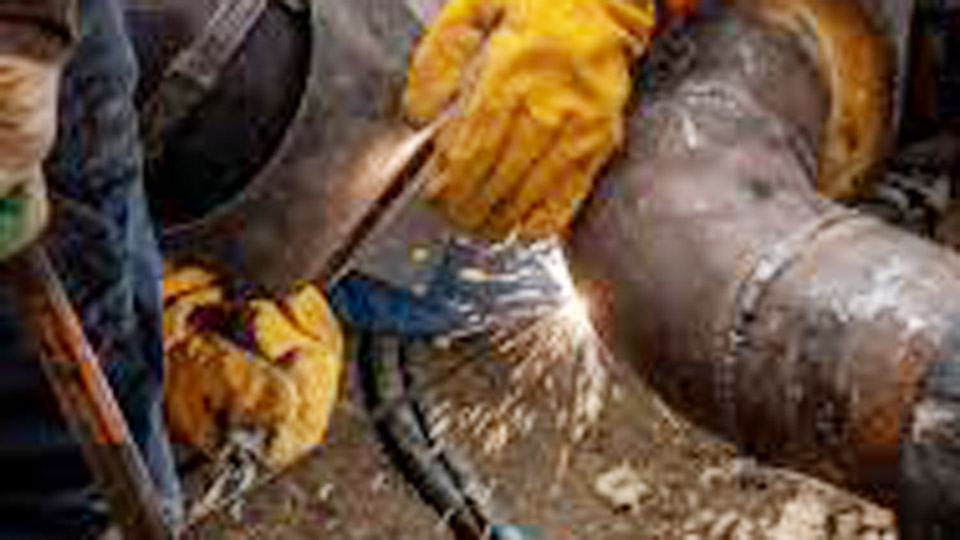
Image by hkfabrication
Pipeline Welder Salary Ranges and Pay Structures
National Averages and Entry-Level Earnings
National median pay for pipeline welders sits around $69,000 to $72,000 annually, with averages reported near $71,593. Entry-level positions typically start between $40,000 and $60,000 per year, reflecting initial qualification periods and less complex assignments.
Hourly base rates (often called “arm pay”) commonly range from $28 to $45, with experienced hands seeing $36 to $52 per hour for actual welding time. This excludes additional compensation layers.
Experienced and Top-Earner Compensation
Experienced traveling pipeline welders frequently reach $80,000 to $120,000 or more annually. Top performers on high-demand projects can exceed $150,000–$200,000+ in strong years with heavy overtime. Reports of $100,000+ are common for consistent workers, driven by 60–80+ hour weeks during peak seasons.
Breakdown of Compensation Components
Pipeline pay often splits into three main categories:
- Arm Pay: Direct welding compensation, $36–$52/hour average. Subject to overtime (time-and-a-half after 40 hours).
- Truck/Rig Pay: $15–$25/hour flat rate for providing your own vehicle, welding machine, and tools. This covers maintenance and depreciation.
- Per Diem: $100–$170+ per day for meals and lodging when working away from home, often non-taxable.
A 60-hour workweek example can yield $4,000–$5,000 gross, translating to strong annual figures despite seasonal downtime.
Factors Influencing Pipeline Welder Earnings
Experience and Skill Level
Welders with 2–5 years of verified pipe experience command premium rates. Mastery of multiple processes and consistent X-ray quality directly impacts employability and pay. Beginners start lower until they build a track record of passing qualifications.
Location and Project Type
High-activity regions like Texas (Houston, Midland, Odessa), North Dakota, Alaska, and the Gulf Coast offer elevated pay due to demand and living costs. Texas averages around $66,700–$80,000+, with top earners higher. Remote or harsh-environment projects add premiums.
Union versus non-union also plays a role, with union scales often including stronger benefits but structured rates.
Certifications and Qualifications
API 1104 pipeline-specific qualifications, 6G position tests, and endorsements in SMAW, GTAW, or mechanized processes unlock higher-paying jobs. AWS certifications and ASME stamps further differentiate earners.
Pipeline Welding Processes and Techniques
Primary Processes Used in Pipeline Work
Shielded Metal Arc Welding (SMAW) dominates field pipeline construction, particularly downhill techniques for speed on cross-country lines. Gas Tungsten Arc Welding (GTAW/TIG) serves for high-quality root passes. Flux-Cored Arc Welding (FCAW) and Gas Metal Arc Welding (GMAW) appear in specific applications or mechanized setups.
Downhill SMAW Techniques
Downhill welding (vertical down progression) prioritizes speed on API 1104 pipelines. Use cellulosic electrodes like E6010 for roots (high arc force, fast freeze) and low-hydrogen E7018 or similar for fills and caps. Typical parameters:
- Root pass: Higher amperage (depending on wall thickness), tight stringer beads.
- Travel speed: Significantly faster than uphill, reducing overall joint time.
- Joint prep: Often narrower bevels for thin-to-medium wall pipe.
This method excels on thinner walls (<0.5″) but requires precise control to avoid defects like lack of fusion or undercut.
Uphill Techniques for Specific Applications
Uphill (vertical up) provides better control for thicker walls or critical service lines. It uses different electrode angles, weave patterns, and often lower-hydrogen consumables. Production rates drop, but mechanical properties and defect rates can improve in certain scenarios.
Key Technique Decisions
Choose progression based on code (API favors downhill for mainline), material thickness, and required NDT acceptance. Root pass quality determines much of the joint integrity—many use TIG for roots on critical lines despite slower speed.
Equipment and Rig Requirements
Successful pipeline welders invest in mobile setups. A typical rig includes:
- Diesel welder/generator (e.g., Miller or Lincoln models rated for 300–400+ amps).
- Truck capable of hauling equipment to remote sites.
- Tools for beveling, fit-up, grinding, and inspection.
Rig pay compensates for these costs. Maintenance downtime directly reduces earnings, making reliability critical.
Power Sources and Consumables
Inverter-based machines offer better portability and arc characteristics for field work. Electrode selection ties directly to procedure specifications (WPS)—mismatches cause qualification failures or rejected welds.
Challenges in Pipeline Welding Careers
Environmental and Physical Demands
Work occurs in all weather: extreme heat, cold, mud, and remote locations. Shifts often run 10–14 hours, with rotational schedules (e.g., 14 days on/7 off). Physical stamina and joint mobility prove essential for maintaining arc control across positions.
Quality and Inspection Pressures
Pipelines transport hazardous materials, so welds undergo rigorous non-destructive testing (radiography, UT). Repair rates impact daily production bonuses or crew standing. Understanding defect causes—porosity, cracking, incomplete penetration—allows faster corrections.
Seasonal and Market Fluctuations
Work volume ties to energy markets and infrastructure funding. Downtime between projects requires financial planning. Diversifying into maintenance, shutdowns, or related fabrication smooths income.
Career Progression and Skill Development
Building Toward Higher Earnings
Start with general pipe welding training, then target pipeline-specific quals. Accumulate hours on actual pipeline projects. Specialize in mechanized welding or exotic materials for premium rates.
Training Pathways
Vocational programs, apprenticeships, and on-the-job experience build foundations. Focus on positions (especially 5G/6G), codes, and blueprint reading.
Real-World Decision Framework
When evaluating offers, calculate effective hourly rate including all components and expected hours. Factor in travel costs, equipment depreciation, and lifestyle impacts. A $45/hour arm pay job with strong per diem and overtime often outperforms higher base shop rates with no extras.
Prioritize contractors with steady project pipelines and good safety records. Verify WPS alignment with your qualifications before starting.
Performance-Based Takeaway
Pipeline welding rewards those who combine technical precision with operational reliability. Welders who maintain low repair rates, adapt to varying conditions, and manage their rigs efficiently consistently reach the upper earnings tiers.
The advanced insight here is mastering downhill root control under time pressure while achieving X-ray quality—this single skill separates average earners from top producers on major spreads.
FAQ
How much does a pipeline welder make per hour?
Typical arm pay ranges $28–$52 per hour, plus truck pay ($15–$25) and per diem. Total effective rates often exceed $50–$70+ when factoring overtime on 50–70 hour weeks.
Is pipeline welding worth it financially?
Yes for those tolerant of travel and demanding conditions. Annual earnings frequently double general welding pay, but lifestyle trade-offs (time away from home, physical wear) must align with personal goals.
What certifications pay the most for pipeline welders?
API 1104 qualifications, 6G pipe tests, and multi-process endorsements (SMAW + GTAW) open the highest-paying mainline and maintenance roles.
Do pipeline welders need their own equipment?
Most field positions require a personal rig for truck pay eligibility. Shop or union hall jobs may provide equipment but usually at lower overall compensation.