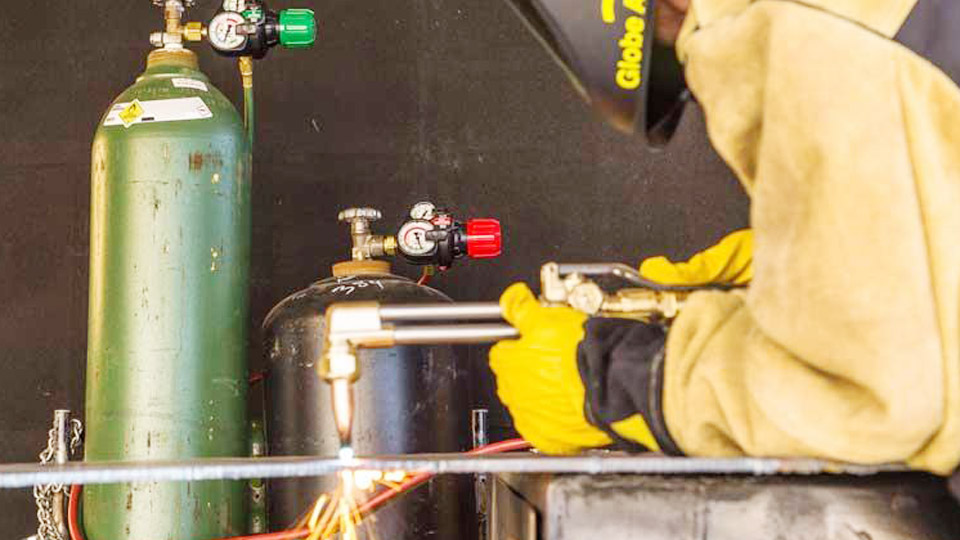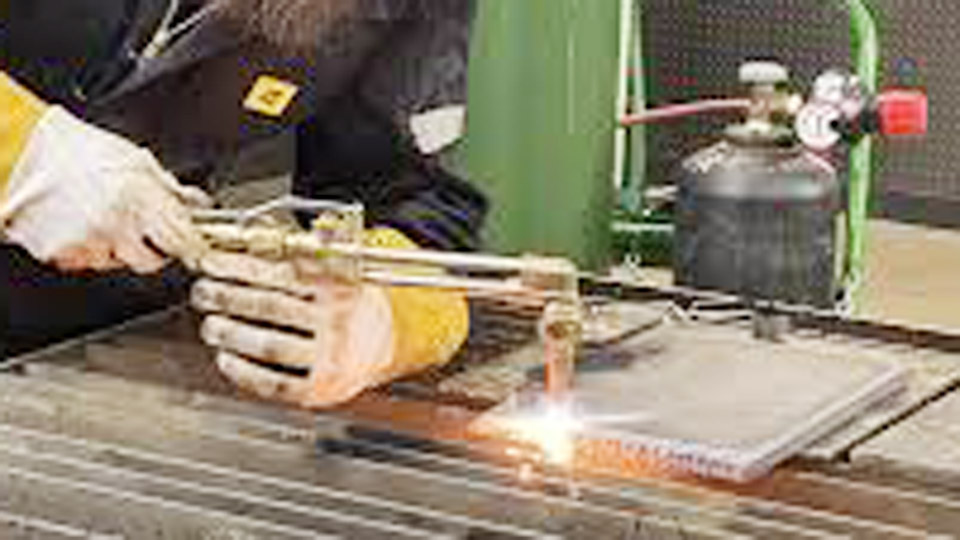
Many welders struggle with ragged edges, excessive slag, or slow progress when cutting steel with an oxy-acetylene torch. The root cause is often incorrect oxygen acetylene pressure settings for cutting steel. Wrong pressures fail to reach the kindling temperature efficiently or deliver a cutting jet strong enough to eject molten metal cleanly.
Proper settings directly impact cut quality, gas consumption, travel speed, and edge finish—critical for DIY projects, fabrication, or structural work.
This guide delivers precise, manufacturer-aligned data and decision-making frameworks for mild steel. It covers tip selection, pressure ranges, real-world adjustments, and performance factors to help you achieve consistent, high-quality cuts.
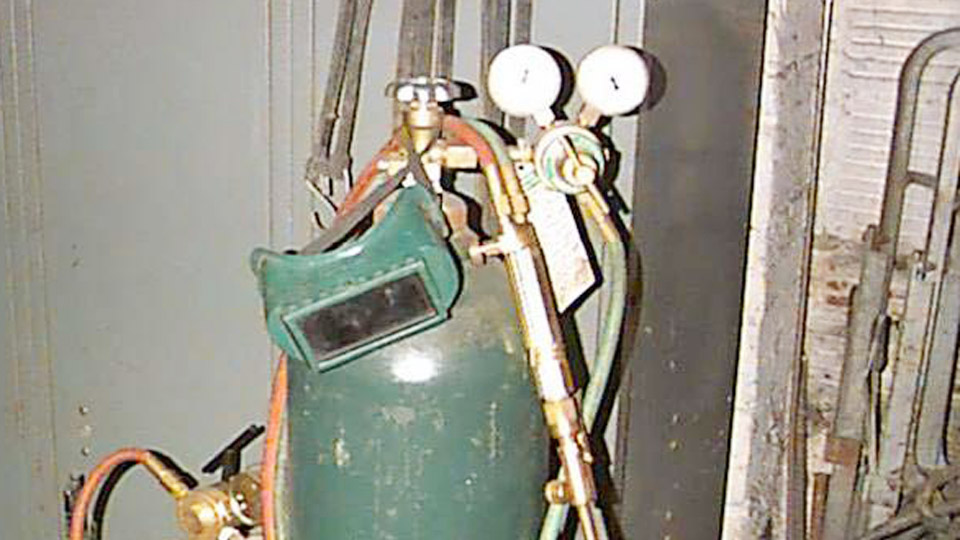
Image by weldingtipsandtricks
How Oxy-Acetylene Cutting Works: Pressure Fundamentals
The process relies on preheating steel to its ignition temperature (around 870–980°C / 1,600–1,800°F for mild steel) with a neutral or slightly oxidizing flame, then introducing a high-velocity oxygen jet. This jet triggers exothermic oxidation of iron, melting the metal and blowing slag out of the kerf.
Acetylene primarily supports the preheat flame. Oxygen splits between preheat (softer flame) and the cutting jet (high-pressure stream).
Imbalances cause problems: too little preheat delays ignition; excessive pressure widens the kerf or causes turbulence; insufficient cutting oxygen leaves dross.
Preheat Flame vs. Cutting Jet Dynamics
In two-hose torches (common for handheld work), the cutting oxygen pressure influences both preheat and jet. Three-hose machine torches allow separate adjustment of preheat oxygen, typically lower (3–17 psi). Preheat ports surround the central cutting orifice and bring the steel to cherry-red before the lever opens the jet.
Flame type matters: neutral (equal oxygen/acetylene) or slightly oxidizing for faster preheat on thicker stock. Carburizing flames deposit carbon and slow oxidation.
Gas Flow and Regulator Behavior
Pressures are measured at the regulator with the torch valve open (working pressure). Hose length, diameter, and flashbacks arrestors affect delivery—longer/smaller hoses or arrestors may require 10–25% higher settings.
Acetylene flow must stay below 1/7 ofOxygen Acetylene Pressure Settings for Cutting Steel: Complete Guide for Clean Cuts
Many welders struggle with ragged edges, excessive slag, or slow progress when cutting steel with an oxy-acetylene torch. The root cause is often incorrect oxygen acetylene pressure settings for cutting steel. Wrong pressures fail to reach the kindling temperature efficiently or deliver a cutting jet strong enough to eject molten metal cleanly.
Proper settings directly impact cut quality, gas consumption, travel speed, and edge finish—critical for DIY projects, fabrication, or structural work.
This guide delivers precise, manufacturer-aligned data and decision-making frameworks for mild steel. It covers tip selection, pressure ranges, real-world adjustments, and performance factors to help you achieve consistent, high-quality cuts.
How Oxy-Acetylene Cutting Works: Pressure Fundamentals
The process relies on preheating steel to its ignition temperature (around 870–980°C / 1,600–1,800°F for mild steel) with a neutral or slightly oxidizing flame, then introducing a high-velocity oxygen jet. This jet triggers exothermic oxidation of iron, melting the metal and blowing slag out of the kerf.
Acetylene primarily supports the preheat flame. Oxygen splits between preheat (softer flame) and the cutting jet (high-pressure stream). Imbalances cause problems: too little preheat delays ignition; excessive pressure widens the kerf or causes turbulence; insufficient cutting oxygen leaves dross.
Preheat Flame vs. Cutting Jet Dynamics
In two-hose torches (common for handheld work), the cutting oxygen pressure influences both preheat and jet. Three-hose machine torches allow separate adjustment of preheat oxygen, typically lower (3–17 psi). Preheat ports surround the central cutting orifice and bring the steel to cherry-red before the lever opens the jet.
Flame type matters: neutral (equal oxygen/acetylene) or slightly oxidizing for faster preheat on thicker stock. Carburizing flames deposit carbon and slow oxidation.
Gas Flow and Regulator Behavior
Pressures are measured at the regulator with the torch valve open (working pressure). Hose length, diameter, and flashbacks arrestors affect delivery—longer/smaller hoses or arrestors may require 10–25% higher settings. Acetylene flow must stay below 1/7 of cylinder volume per hour to avoid acetone carryover.
Choosing the Correct Cutting Tip Size
Tip size determines orifice diameters for preheat and cutting oxygen. Match it to steel thickness for balanced heat input and jet velocity.
Key selection principles:
- Smaller tips (000–0) suit thin material to minimize heat-affected zone and warping.
- Larger tips (2–5+) deliver higher flow for thick plate but require slower travel speeds.
- Orifice size controls jet focus: too large for the job creates wide, rough kerfs; too small fails to penetrate.
Tip Size Recommendations by Thickness
| Steel Thickness | Cutting Tip Size | Typical Cutting Oxygen (psi) | Acetylene (psi) | Approx. Travel Speed (IPM) |
|---|---|---|---|---|
| Up to 1/8″ | 000 | 20–25 | 3–5 | 28–32 |
| 1/4″ | 00 | 20–25 | 3–5 | 27–30 |
| 3/8″–1/2″ | 0–1 | 25–35 | 3–6 | 20–28 |
| 3/4″–1″ | 1–2 | 30–40 | 4–7 | 15–21 |
| 1″–2″ | 2–3 | 35–45 | 5–10 | 12–19 |
| 2″–3″ | 3–4 | 40–50 | 5–10 | 9–15 |
| 4″+ | 5+ | 45–80+ | 7–15 | Varies (slower) |
Always reference your torch manufacturer’s chart (e.g., Victor, Harris, or equivalent). Clean tips with proper cleaners—clogged orifices distort the jet.
Recommended Pressure Settings for Common Thicknesses
Start with manufacturer baselines and fine-tune on scrap. Acetylene rarely exceeds 10 psi for cutting and must stay under 15 psi for stability.
Settings for Thin Steel (Up to 1/4″)
Use small tips and lower pressures to avoid burn-through or distortion. For 1/8″ steel with a #00 tip: acetylene 3–5 psi, cutting oxygen 20–25 psi. Preheat until cherry red (10–20 seconds), then engage the jet and maintain steady motion. Lower preheat oxygen (if adjustable) prevents overheating edges.
For 1/4″ stock (#00–0 tip): acetylene 5–7 psi, oxygen 20–30 psi. Travel speed around 25–30 IPM yields narrow kerf (~0.05″).
Mid-Range Plate (1/2″–1″)
This range covers most shop work. For 1/2″ with #0–1 tip: acetylene 5–8 psi, preheat oxygen ~20–30 psi, cutting jet 30–40 psi. Kerf width increases slightly to 0.06–0.09″. Higher oxygen maintains jet momentum through the thickness.
At 1″: acetylene 7–10 psi, oxygen 35–45 psi. Slower speeds (13–19 IPM) allow complete oxidation. Watch for slag on the underside—indicates marginal pressure or speed.
Thick Sections (2″+)
Larger tips and elevated oxygen are essential. For 2″ plate (#3 tip): acetylene 8–10 psi, cutting oxygen 40–50+ psi. Preheat time lengthens; multiple passes or beveling may help on very thick material. Use 3/8″ hoses for adequate flow on tips 6+.
Fine-Tuning Pressures in Practice
Charts provide starting points. Actual needs vary with:
- Steel type and condition: Mild steel cuts cleanly; rusty or painted surfaces need more preheat time or slight oxidizing flame.
- Ambient conditions: Cold steel or wind dissipates heat faster—raise preheat slightly.
- Torch technique: Perpendicular angle for straight cuts; 10–20° lean in travel direction for better ejection.
- Hose and regulator factors: Test pressures with gas flowing. Adjust for consistent flame and jet without turbulence.
Adjustment process:
- Set acetylene first to establish preheat flame.
- Add oxygen for neutral flame (sharp inner cone, no feather).
- Open cutting lever and verify strong, parallel jet.
- Cut test piece and observe: smooth edges and minimal dross indicate good settings; adjust oxygen up 5 psi for deeper penetration or down for thinner stock to tighten kerf.
Achieving High-Quality Cuts: Technique and Parameters
Pressure alone does not guarantee results. Maintain consistent travel speed matched to thickness—too fast leaves uncut bridges; too slow causes excessive heat and warping.
Kerf width typically ranges 0.04–0.15″ depending on tip and pressure. For precision, use guides or tracks. Pierce by angling the torch or drilling a starter hole on thick plate to reduce spatter.
Post-cut, inspect for parallel walls, minimal top rounding, and clean bottom. Dross removal is easier with optimal settings.
Equipment Setup, Maintenance, and Safety Integration
Secure cylinders upright. Purge lines before lighting. Use flashback arrestors and check valves. Regulators must deliver stable pressure—replace if creeping or inaccurate.
Clean tips daily. Inspect hoses for cracks. Store equipment to prevent contamination. For production, consider machine torches with separate preheat control for tighter parameters.
Troubleshooting Pressure-Related Cut Defects
- Ragged or wavy edges: Unstable pressures, wrong tip size, or inconsistent speed. Stabilize regulators and match tip to thickness.
- Excessive dross/slag: Low cutting oxygen or fast travel. Increase oxygen 5–10 psi or slow down.
- Wide kerf/top rounding: Overly high pressures or oxidizing flame. Reduce oxygen and neutralize flame.
- Failure to penetrate: Insufficient preheat or cutting pressure. Increase both incrementally; ensure full kindling temperature.
- Flashback or popping: Incorrect order (oxygen before acetylene) or dirty tip. Always light acetylene first.
Document successful settings for repeat jobs, noting torch model, hose length, and material.
Advanced Applications and Variations
For bevel cutting, tilt the torch and increase oxygen slightly for the angled jet. Stack cutting multiple plates requires higher flow tips and verified alignment.
Alloy steels may need adjusted preheat times or flame chemistry. When combining with welding, transition smoothly between cutting and welding pressures—never use cutting settings for welding.
In field work with variable conditions, carry multiple tip sizes and test on scrap. For very thick material, multiple passes or alternative processes (plasma) become more efficient beyond certain thresholds.
Decision-making Summary
Match tip size to thickness first, then dial pressures from manufacturer charts while prioritizing acetylene stability under 15 psi. Test, observe the cut characteristics, and make small incremental changes. This systematic approach delivers repeatable, professional results across projects.
Master the interplay between pressure, speed, and preheat dwell to minimize heat input on distortion-sensitive fabrications—often the difference between a clean cut and extensive post-processing or rework. Consistent optimization here elevates both efficiency and finished part quality.
FAQ
What is the best oxygen acetylene pressure setting for cutting 1/2 inch steel?
For 1/2″ mild steel with a #0 or #1 tip, use acetylene 5–8 psi and cutting oxygen 30–35 psi. Preheat to cherry red, then maintain steady travel at 16–24 IPM for clean edges with minimal dross.
How does tip size affect required oxygen pressure for steel cutting?
Larger tips need higher oxygen pressure to support increased flow through bigger orifices while maintaining jet velocity. Small tips use lower pressures to prevent turbulence on thin material. Always align tip size with thickness charts.
Can I use the same pressures for welding and cutting?
No. Cutting requires significantly higher oxygen (20–60+ psi) for the jet, while welding uses low balanced pressures (3–15 psi range) for a controlled neutral flame. Using cutting pressures for welding damages the pool and risks burn-through.
Why must acetylene pressure stay below 15 psi?
Above 15 psi, acetylene becomes unstable and can decompose explosively, especially in hoses or under shock. Regulators and charts enforce this limit for safety across all operations.