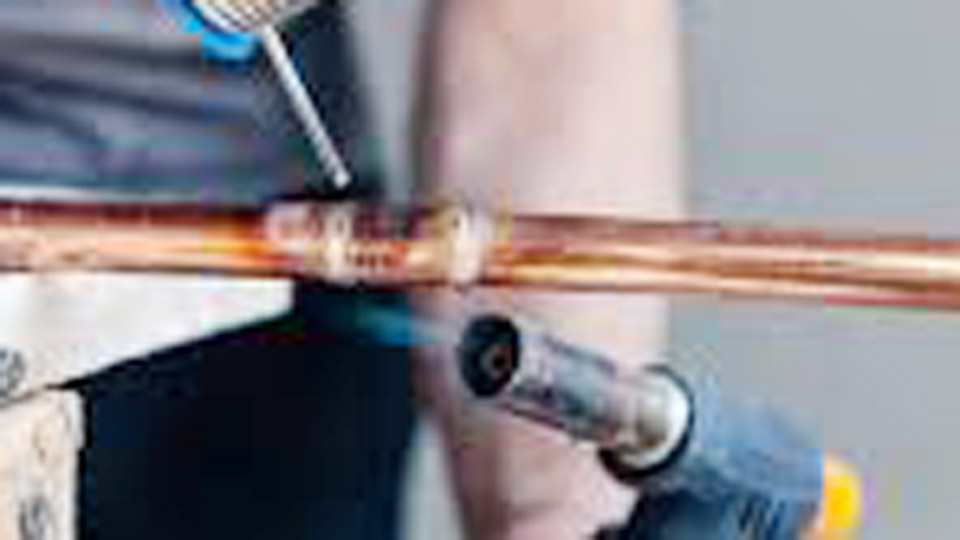
Can you silver solder aluminum? The answer depends on the filler metal and process you use, because aluminum behaves differently from copper, brass, and steel during soldering.
Its surface quickly develops a stable aluminum oxide layer that prevents ordinary solder from wetting the metal properly, even when the base material becomes hot enough.
Using conventional silver solder without a compatible flux and suitable filler alloy often results in a weak joint that fails to bond securely. For metalworkers, DIY repairers, and fabrication hobbyists, understanding this limitation is essential before choosing a joining method.
The right combination of filler alloy, surface preparation, heat control, and flux can make certain aluminum joining applications possible, but not every silver solder is suitable.
Knowing the difference between silver-bearing soft solder and silver brazing alloys will help you select the appropriate process and avoid wasted materials, overheating, and unreliable joints.
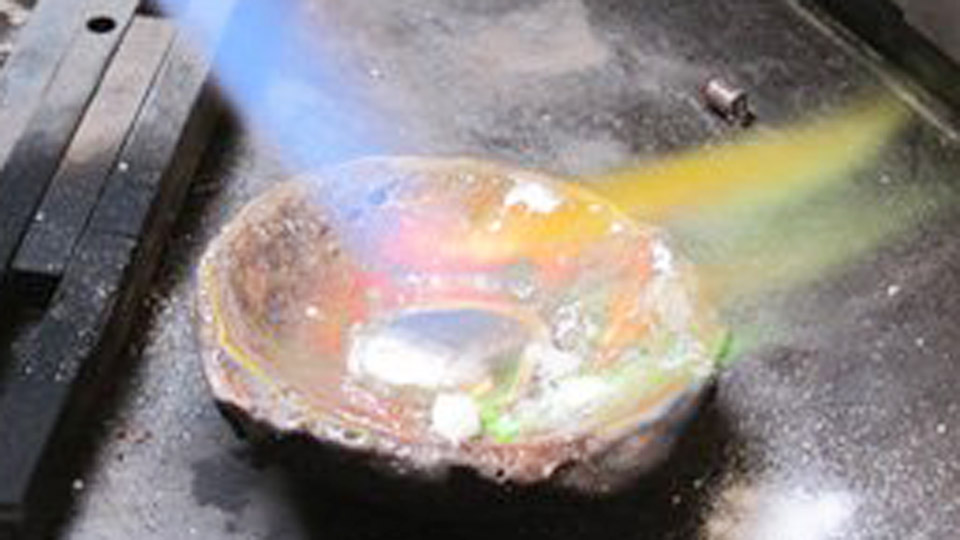
Image by jewelry-tutorials
Why Standard Silver Solder Fails on Aluminum
Aluminum presents two metallurgical barriers that ordinary silver solders cannot overcome.
Oxide Barrier and Wetting Failure
Aluminum forms a continuous, self-healing aluminum-oxide film within seconds of exposure to air. This film melts above 2000 °C—far higher than any practical soldering temperature. Conventional silver-copper-zinc alloys (BAg series) lack the chemical affinity needed to disrupt that film. Without specialized flux chemistry the molten silver alloy beads on the surface rather than spreading by capillary action.
Melting-Point and Heat-Sink Constraints
Pure aluminum melts at approximately 660 °C (1220 °F). Many commercial silver brazing alloys have liquidus temperatures between 620 °C and 800 °C. Applying the heat required to flow those alloys risks localized melting or severe softening of the base metal, especially on thin sections.
Aluminum’s high thermal conductivity further demands more energy input, widening the temperature gradient and increasing the chance of overheating adjacent areas.
Alloys That Actually Bond to Aluminum
Only fillers formulated to create intermetallic compounds with aluminum succeed. Silver may be present, but zinc or specific tin-zinc-silver ratios are usually the active bonding elements.
Tin-Zinc and Tin-Silver Combinations
Alloys such as 91Sn-9Zn melt near 199 °C and form reliable intermetallics once the oxide is removed. Tin-silver compositions (for example 96.5Sn-3.5Ag) also work when paired with aluminum-specific flux; the silver improves wetting and corrosion resistance. These fillers operate well below aluminum’s melting point and are suitable for electrical and light structural joints.
Zinc-Aluminum and Specialty Silver-Bearing Fillers
Higher-temperature zinc-aluminum alloys (typically 2–15 % aluminum) provide greater shear strength and better corrosion performance. Certain proprietary silver-bearing aluminum solders combine silver with zinc and aluminum to achieve intermediate strength while remaining processable with a propane or MAPP torch.
Always verify the product literature states compatibility with aluminum; generic “silver solder” rods do not qualify.
Alloy Series Compatibility
1xxx and 3xxx series aluminum alloys solder most readily. 6xxx alloys are possible with careful technique but require more aggressive flux and surface preparation. 5xxx alloys containing higher magnesium are marginal; 2xxx and 7xxx series are generally considered non-solderable by conventional methods because of intergranular penetration and rapid oxide reformation.
Flux Selection and Surface Preparation Requirements
Flux is not optional. Ordinary rosin or mild chloride fluxes leave the oxide intact.
Aggressive Chloride- and Fluoride-Based Fluxes
Aluminum fluxes typically contain zinc chloride, ammonium chloride, or fluoride salts that chemically attack the oxide at the soldering temperature. Organic aluminum fluxes exist for lower-temperature work but are less aggressive. The flux must remain active long enough for the filler to wet the surface—usually only a few minutes once the part reaches temperature. Residual flux is corrosive and must be thoroughly removed after joining.
Mechanical Cleaning Sequence
Immediately before fluxing, abrade the joint surfaces with a stainless-steel brush dedicated to aluminum or with 120–220 grit aluminum-oxide paper. Do not use carbon-steel brushes; they embed iron particles that promote galvanic corrosion. Clean both faying surfaces and the surrounding area so that any excess flux or solder does not freeze on contaminated metal. Degrease with a solvent that leaves no residue.
Joint Design and Heat-Control Decisions
Joint geometry and heat application determine whether capillary flow occurs and whether the base metal retains its properties.
Clearance and Fit-Up Tolerances
Optimal capillary clearance for aluminum soldering lies between 0.05 mm and 0.15 mm (0.002–0.006 in). Larger gaps reduce capillary force and leave incomplete fill; tighter fits prevent flux and filler entry. Lap joints and sleeve joints outperform butt joints because they provide greater bond area and mechanical interlocking.
Torch Technique and Temperature Windows
Use a soft, neutral or slightly reducing flame. Preheat the entire assembly gradually to equalize temperature, then concentrate heat at the joint until the flux becomes clear and fluid. Apply filler only after the flux activates; never melt the rod in the flame and drop it onto cold metal. For thin sheet keep the torch moving to avoid burn-through. Target part temperatures generally fall between 200 °C and 400 °C for tin-zinc systems and up to approximately 450–550 °C for higher-strength zinc-aluminum alloys—always staying well below the solidus of the specific aluminum alloy being joined.
Strength, Corrosion, and Service Limitations
Soldered aluminum joints are not equivalent to welded or properly brazed aluminum joints.
Mechanical Performance Expectations
Shear strengths for tin-zinc joints typically range from 20 MPa to 40 MPa depending on alloy and joint design. Higher-zinc or silver-bearing formulations can reach higher values, but still fall short of fusion-weld strength. Design for shear rather than tensile loading and maximize overlap length. Vibration or cyclic loading requires additional mechanical fastening or larger bond area.
Galvanic and Environmental Considerations
Aluminum is anodic to most solder alloys. In the presence of moisture an electrolytic cell forms and the aluminum can corrode preferentially. Salt-spray exposure accelerates the process. Thorough flux removal, conformal coatings, or sealing the joint dramatically improve long-term durability. Dissimilar-metal joints (aluminum to copper or steel) intensify galvanic risk and should be isolated or protected.
When to Choose Soldering Versus Brazing or Welding
Soldering is appropriate for thin sections, heat-sensitive assemblies, electrical conductivity requirements, or field repairs where portable equipment is limited. Aluminum brazing with Al-Si fillers produces stronger joints but requires higher temperatures and tighter process control. Fusion welding (TIG or MIG) remains the preferred route for structural integrity when equipment and skill are available. The decision matrix centers on required strength, allowable heat input, joint accessibility, and production volume.
Selecting the correct specialized silver-bearing or tin-zinc-silver alloy, pairing it with an aggressive aluminum flux, and controlling heat below the base-metal solidus are the three non-negotiable decisions that determine success. When those conditions are met, reliable aluminum joints are achievable for non-critical and many semi-structural applications. Advanced operators further improve consistency by pre-tinning both surfaces under flux before final assembly, ensuring complete oxide disruption and minimizing the time the joint spends at elevated temperature.
Can regular silver solder be used on aluminum?
No. Standard BAg silver brazing alloys do not wet aluminum oxide. Only fillers specifically formulated for aluminum (tin-zinc, tin-silver with aluminum flux, or proprietary silver-bearing aluminum solders) succeed.
What flux works for soldering aluminum?
Aggressive chloride- or fluoride-based aluminum fluxes such as those containing zinc chloride are required. Ordinary plumbing or electronics fluxes leave the oxide intact and produce no bond.
Is silver soldering the same as aluminum brazing?
No. True silver soldering/brazing operates above 450 °C with high-silver alloys intended for copper or steel. Aluminum soldering uses lower-melting specialized fillers and stays well below aluminum’s melting point.
Which aluminum alloys solder most easily?
1xxx and 3xxx series alloys wet readily with proper flux. 6xxx alloys are possible with extra preparation; 5xxx, 2xxx, and 7xxx alloys are difficult or impractical for conventional soldering.