Aluminum oxide reforms in seconds and blocks wetting during soldering or brazing. Commercial fluxes solve this, yet many shops need a workable homemade aluminum flux when stock runs out or cost becomes the limiting factor.
The oxide layer melts near 3700 °F while the base metal softens around 1200 °F, so chemical action is required to dissolve or disrupt Al₂O₃ long enough for filler to flow. Without effective flux the joint remains cold, porous, or weakly bonded.
Correct homemade formulations deliver usable oxide removal for non-critical repairs, thin-gauge work, and low-temperature joining where full fusion welding is impractical.
Choosing the right chemistry, mixing ratios, and post-clean protocol determines whether the joint lasts or fails from residual corrosion.
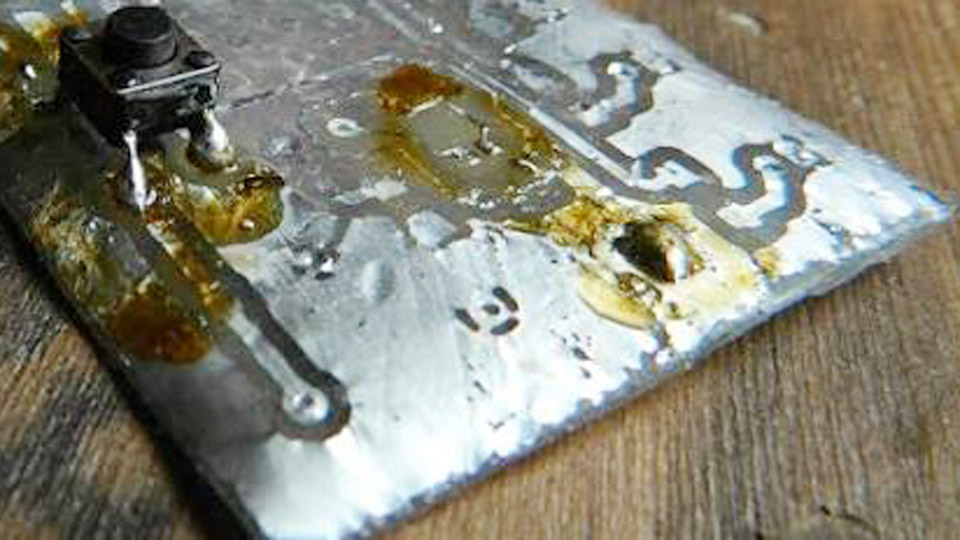
Image by halestrom
When Homemade Aluminum Flux Is the Practical Choice
Commercial aluminum fluxes are formulated for consistent melting range and low residue corrosivity. Homemade versions trade that consistency for availability and lower cost.
Situations Where DIY Flux Outperforms Waiting for Delivery
Repair of thin sheet, heat-exchanger fins, or cast housings often occurs outside normal supply chains. A chloride or borate mix mixed from water-softener salts, laundry borax, or hardware-store chemicals can restore serviceability in hours. For one-off jobs under 1/8 inch thickness the time saved outweighs the extra cleaning step required after use.
Applications Where Commercial Flux Remains Preferable
Structural or pressure-containing joints demand certified residual-free performance. Fluoride-based commercial products leave less aggressive residues and have documented temperature windows. Homemade mixes introduce variability in purity and moisture content that can alter melting behavior by 50–100 °F.
Core Chemistry That Removes Aluminum Oxide
Effective flux must wet the surface, dissolve or lift the oxide, and protect the clean metal until filler solidifies.
Role of Chloride Salts
Potassium chloride and sodium chloride form a low-melting eutectic near 1200 °F. The molten salts penetrate cracks in the oxide film and reduce surface tension so that the film breaks into particles that float or are displaced by the advancing filler. Lithium chloride further lowers melting point and improves fluidity when available.
Contribution of Fluorides and Borates
Small fluoride additions (lithium fluoride, cryolite, or aluminum fluoride) increase reactivity with Al₂O₃. Borax and boric acid form a glassy cover that limits re-oxidation once the oxide is disrupted. These compounds raise the temperature at which the flux remains active and improve coverage on vertical surfaces.
Temperature Windows That Matter
Most chloride-based homemade fluxes become fluid between 1100–1300 °F. Zinc-chloride or ammonium-chloride pastes activate at lower temperatures suitable for soft soldering (400–700 °F). Exceeding 1400 °F risks rapid evaporation of chlorides and loss of protection.
Practical Recipes That Deliver Usable Results
Three formulations cover the majority of shop needs. All require dry ingredients stored in airtight containers and mixed immediately before use when possible.
Chloride Dry-Powder Mix for Brazing Temperatures
Combine by weight:
- 50 % potassium chloride (water-softener salt or fertilizer grade)
- 25 % sodium chloride (table or rock salt, dried)
- 25 % lithium chloride (optional but raises activity)
Grind to a fine powder. Apply dry or mixed with a few drops of alcohol to form a paste. This mix melts near the brazing range of common aluminum-silicon fillers and provides strong oxide disruption on 1xxx–3xxx series alloys.
Boric Acid–TSP Paste for Lower-Temperature Work
Mix:
- 3 parts boric acid
- 2 parts trisodium phosphate (TSP cleaner)
- 2 parts borax
Add deionized water gradually while stirring until a smooth paste or syrup forms. Gentle heating on a hot plate evaporates excess water and produces a gel that adheres to vertical joints. The mixture activates below 800 °F and suits soldering with zinc- or tin-based fillers.
Zinc Chloride Liquid Flux for Soft Soldering
Dissolve equal weights of zinc chloride and ammonium chloride in a minimum volume of isopropyl alcohol or distilled water.
Optional addition of a few drops of dilute hydrochloric acid increases aggressiveness on heavily oxidized surfaces. The solution is brushed on and remains active at soldering temperatures under 700 °F.
| Recipe Type | Primary Ingredients | Activation Range | Best Use Case | Residue Aggressiveness |
|---|---|---|---|---|
| Chloride dry powder | KCl + NaCl ± LiCl | 1100–1300 °F | Torch brazing, thicker stock | High |
| Boric–TSP paste | Boric acid + TSP + borax | 600–900 °F | Soft soldering, thin sheet | Moderate |
| Zinc chloride liquid | ZnCl₂ + NH₄Cl | 400–700 °F | Low-temp repairs, electronics | High |
Application Technique and Joint Preparation Decisions
Surface condition and heat control determine whether the flux succeeds.
Cleaning Sequence Before Flux Application
Remove oil and grease with acetone or alkaline cleaner. Mechanically abrade with a stainless-steel brush reserved for aluminum only; stroke in one direction to avoid embedding contaminants.
Heavy oxide may require a dilute sodium hydroxide etch followed by thorough water rinse and complete drying. Residual moisture introduces hydrogen porosity.
Flux Placement and Heat Input Control
Brush or sprinkle flux on both joint faces and the filler rod tip. Heat the base metal, not the flux, until the flux melts and wets the surface.
Then introduce filler. Excessive flame concentration drives off volatile chlorides before they can act. A neutral or slightly reducing oxy-fuel flame maintains coverage longer than a strongly oxidizing flame.
Filler Selection Matched to Flux Type
Chloride fluxes pair with aluminum-silicon brazing alloys (melting 1070–1180 °F). Zinc- or tin-based solders work with the lower-temperature pastes. Mismatch leaves unmelted filler or overheated base metal.
Residue Removal and Long-Term Joint Integrity
Chloride and fluoride residues remain hygroscopic and corrosive after cooling.
Immediate Post-Process Cleaning Protocol
While the joint is still warm, quench or scrub with hot water and a stiff brush. Follow with a dilute nitric or citric acid rinse if residues persist, then neutralize and dry completely. Incomplete removal produces white corrosion products within days on outdoor or marine exposures.
Decisions for Critical Versus Non-Critical Service
Non-structural brackets or temporary repairs tolerate residual risk after basic washing. Any joint exposed to moisture, salt, or stress requires verified residue-free surfaces.
Commercial non-corrosive fluxes become the rational choice once the labor of aggressive cleaning exceeds the cost of purchased product.
Limitations When Arc Welding Processes Are Involved
Homemade flux has no place under the TIG or MIG arc.
Why Flux Interferes with GTAW and GMAW
AC TIG already provides cathodic cleaning of the oxide. Introducing chloride or fluoride compounds generates toxic fumes, contaminates the tungsten, and leaves slag inclusions that act as stress risers. MIG aluminum relies on pure argon shielding; flux residue destroys arc stability and produces porosity.
Stick Electrodes and Oxy-Fuel Exceptions
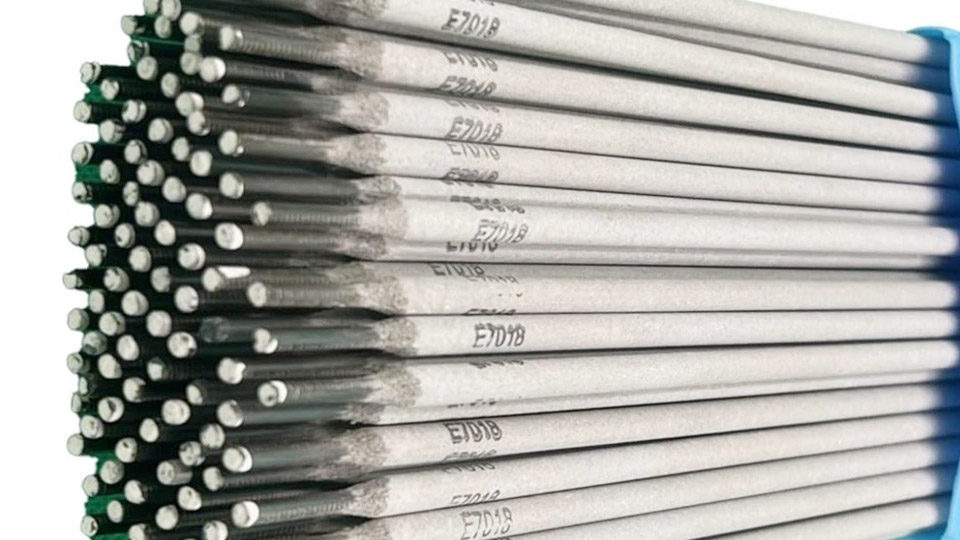
Dedicated aluminum stick electrodes carry their own flux coating formulated for the SMAW process. Homemade powder may supplement oxy-fuel gas welding of aluminum in field conditions where commercial flux is unavailable, but only after the joint design and service loads have been evaluated.
Storage Stability and Batch Consistency Factors
Moisture is the primary enemy of chloride-based mixes.
Hygroscopic Behavior and Shelf Life
Lithium and zinc chlorides absorb atmospheric water rapidly. Store dry powders in sealed glass or plastic containers with desiccant.
Once mixed with water or alcohol, use within hours or days; discard any batch that shows caking or free liquid. Recrystallized salts lose uniformity and produce inconsistent melting.
Scaling Small Batches for Shop Use
Weigh ingredients on a digital scale accurate to 0.1 g. Grind and blend thoroughly before any liquid addition. Record exact ratios and ambient humidity for each batch so that successful results can be repeated.
Wrapping Up
Selecting a homemade aluminum flux requires matching the activation temperature of the mix to the filler and joint thickness while accepting the mandatory residue-removal step.
Chloride powders deliver the strongest oxide attack for torch work; borate pastes cover lower-temperature soldering with less aggressive residues.
When the joint must survive outdoor exposure or repeated thermal cycling, the extra cleaning labor and variability of DIY chemistry usually justify purchasing a formulated commercial product.
Advanced practice further restricts homemade flux to non-code repairs and always verifies joint strength by destructive testing on sample coupons before committing production parts.