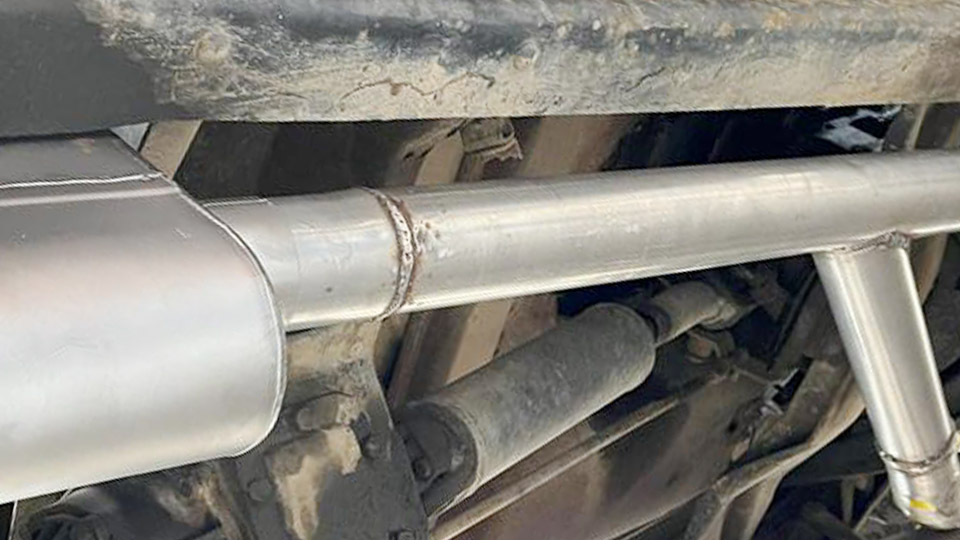
Fresh welds look sharp until the first coat of paint peels or flash-rusts overnight. Many fabricators reach for acrylic because it is low-odor, water-cleanup, and fast-drying, yet the same projects fail when mill scale, weld slag, or residual oils remain.
Learning how to paint metal with acrylic paint correctly starts with understanding that acrylic bonds mechanically to a clean, profiled surface rather than chemically etching bare steel.
Proper surface preparation, the right rust-inhibiting primer, and compatible topcoats determine whether the finish lasts seasons outdoors or fails in weeks.
For welded mild steel, aluminum, or galvanized work, the sequence of cleaning, profiling, priming, and coating is non-negotiable if adhesion and corrosion resistance matter.

Image by fb/Crafty Fun Group
Why Acrylic Paint Fails on Bare or Freshly Welded Steel
Acrylic films are flexible and UV-stable when formulated for exterior use, but they lack the aggressive adhesion of some solvent-based systems on non-porous metal.
Mill Scale and Weld Residue Block Mechanical Bond
Hot-rolled steel arrives with a blue-black mill scale layer that acrylic cannot penetrate. Weld slag, spatter, and heat-tint oxides create the same barrier.
Grinding or wire-brushing to bright metal is required before any primer or paint contacts the surface. Leaving scale under acrylic leads to large-scale delamination once moisture reaches the interface.
Flash Rust Forms Faster Than Most Operators Expect
Clean bare steel begins oxidizing within minutes in humid shop air. Water-based acrylic primers and paints introduce additional moisture during application. Without an immediate rust-inhibiting primer, microscopic iron oxide forms and undermines adhesion even if the surface looked clean at the start of painting.
Smooth Metal Needs Mechanical Tooth
Unlike wood, metal has no porosity. Acrylic relies on microscopic scratches created by abrasive action. A surface polished to a high sheen or left with oily fingerprints rejects the coating regardless of brand quality.
Surface Preparation Sequence That Actually Holds Acrylic
Preparation quality controls final performance more than the brand of acrylic chosen.
Removing Slag, Spatter, and Heat Tint After Welding
Allow the weld to cool to handling temperature. Chip bulk slag, then use a 36–60 grit flap disc or wire wheel to remove remaining residues and blue heat tint from the heat-affected zone.
Round sharp edges and undercut toes; paint films thin dramatically over sharp geometry and fail first at those points. Vacuum or blow off all grinding dust before the next step.
Degreasing and Final Cleaning
Wipe the entire surface with a dedicated wax-and-grease remover, acetone, or mineral spirits using clean, lint-free rags. Change rags frequently so contaminants are not redistributed. Avoid solvents that leave water residue on mild steel if flash rust is a concern. The metal must be completely dry and free of fingerprints before priming.
Creating the Correct Surface Profile
For most acrylic systems a light abrasive profile is sufficient. Finish with 80–120 grit on carbon steel or a Scotch-Brite equivalent. The goal is a uniform dull finish that feels slightly rough to the fingernail. Over-polishing removes the mechanical key acrylic needs.
Choosing the Right Primer for Acrylic Topcoats on Metal
Never apply water-based acrylic directly over bare steel if longevity is required.
Rust-Inhibiting Primers for Carbon and Mild Steel
Acrylic metal primers or oil-modified alkyd rust-inhibitive primers that accept acrylic topcoats are standard. Products labeled “clean metal primer” or “acrylic metal primer” contain corrosion inhibitors that passivate the steel surface.
Apply within a few hours of final cleaning to prevent flash rust. Two thin coats are preferable to one heavy coat that may trap solvent or moisture.
Self-Etching or Bonding Primers for Aluminum and Galvanized
Aluminum forms a natural oxide that resists adhesion. Self-etching primers containing phosphoric acid create a chemical bond. Galvanized zinc coatings saponify many alkyd primers; use only primers explicitly rated for galvanized metal or a vinyl wash primer followed by acrylic. Vinegar wipe or commercial zinc prep solutions improve results on new galvanizing before priming.
Direct-to-Metal (DTM) Acrylic Options
Some industrial DTM acrylic enamels combine primer and topcoat properties. These can reduce steps on less critical indoor projects but still benefit from thorough surface cleaning. Check the product data sheet for maximum recoat windows and recommended dry-film thickness.
Selecting and Applying Acrylic Paint Systems for Fabricated Metal
Not every acrylic labeled “exterior” performs equally on metal.
Exterior-Grade 100 % Acrylic Latex Versus Acrylic Enamel
Exterior acrylic latex house paints (sherwin-williams duration-type or equivalent) offer excellent flexibility and UV resistance when applied over a proper metal primer. Acrylic enamels formulated for metal provide harder films and better abrasion resistance. Both require multiple thin coats rather than one thick application that sags or traps air.
Application Methods That Maximize Adhesion
Brush, roll, or spray according to the product. Spray application generally yields the most uniform film thickness on complex fabrications. Maintain the recommended wet-film thickness; under-applying leaves thin spots at edges and weld toes.
Allow full flash-off between coats according to temperature and humidity. Most acrylics reach handling strength in hours but require days for full hardness.
Recoat Windows and Environmental Limits
Apply between 50–90 °F with relative humidity below 70 % and steel temperature at least 5 °F above dew point. Painting outside these limits produces poor film formation, blushing, or incomplete cure. Force-dry only if the product data sheet permits it.
Special Considerations for Outdoor Welded Structures and High-Wear Parts
Service environment dictates film thickness and topcoat selection.
UV, Moisture, and Thermal Cycling Demands
Outdoor gates, trailers, and equipment experience repeated expansion and contraction. Flexible exterior acrylic systems handle movement better than hard brittle coatings. A final clear acrylic or polyurethane sealer adds abrasion and chemical resistance on high-contact surfaces.
Multi-Coat Systems Versus Single-Coat DTM
Critical corrosion protection usually requires a dedicated primer plus two finish coats totaling 4–6 mils dry film thickness. Single-coat DTM products can work for indoor or low-exposure items but rarely match the barrier performance of a multi-coat system on outdoor mild steel.
Repairing Damage Without Full Stripping
Scuff the damaged area to feather edges, clean thoroughly, spot-prime bare metal, and blend the acrylic topcoat. Full adhesion depends on the same cleanliness standards used on the original job.
Performance Trade-Offs Between Acrylic and Traditional Metal Coatings
Acrylic is not always the optimum choice.
When Acrylic Outperforms Oil-Based Enamel
Low VOC, rapid dry time, easy water cleanup, and excellent color retention favor acrylic for shop environments with limited ventilation and for color-matched decorative work. Modern DTM acrylics close much of the durability gap for moderate outdoor exposure.
Situations Where Epoxy or Alkyd Still Win
Immersion service, heavy abrasion, or continuous chemical exposure still favors two-part epoxy primers and hard alkyd or polyurethane topcoats. Acrylic remains a practical, high-performance option for the majority of welded fabrications that see intermittent outdoor use and occasional mechanical contact.
Wrapping Up
Selecting the correct acrylic system begins with honest assessment of surface condition and service demands. Clean to bright metal, prime immediately with a compatible rust-inhibiting product, apply thin uniform coats within environmental limits, and the finish will protect the fabrication rather than merely decorate it.
Advanced fabricators further improve longevity by designing joints that shed water and by applying slightly higher film thickness at edges and weld toes where mechanical and corrosion stress concentrate.