Welders often struggle with copper because its exceptional thermal conductivity dissipates heat rapidly, making it hard to achieve proper fusion without excessive amperage or preheat. This leads to weak joints, porosity, or distortion, especially on pipes, electrical components, or custom fabrications.
Learning how to weld copper together effectively resolves these issues, delivering strong, conductive, and corrosion-resistant results critical for plumbing, HVAC, electronics, and artistic metalwork.
Success hinges on selecting the right process, precise parameter control, and thorough joint preparation tailored to copper’s unique properties.
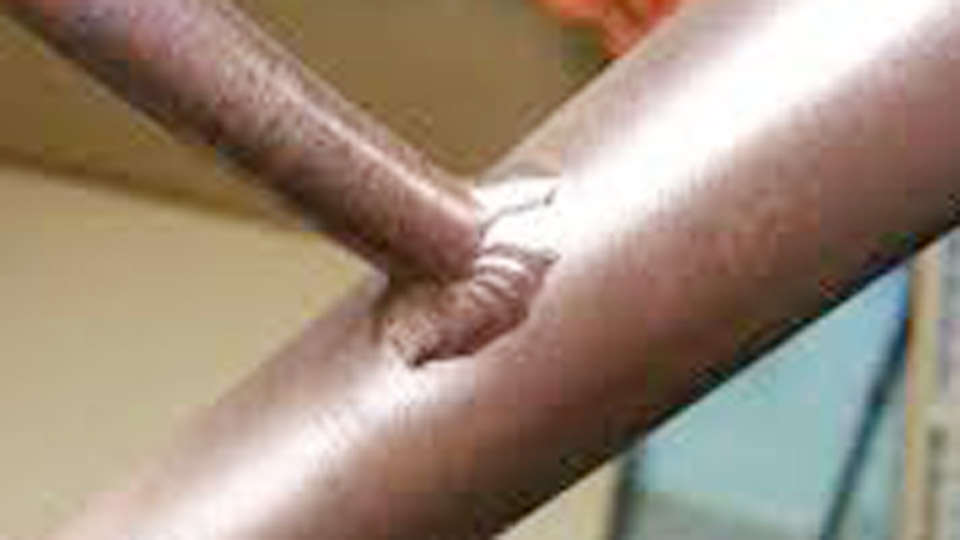
Image by dwdbrass
Why Copper Welding Demands Specific Techniques
Copper’s high thermal conductivity (about 400 W/m·K) requires significantly higher heat input than steel. Its tendency to form surface oxides and absorb gases at welding temperatures further complicates the process. Pure copper melts at approximately 1,083°C (1,981°F), but practical welding demands accounting for rapid heat loss and potential contamination.
Different copper grades affect weldability: deoxidized copper (e.g., C12200) performs better than electrolytic tough pitch (ETP) copper, which contains oxygen that can cause porosity. Alloyed variants like brass or bronze introduce additional considerations for zinc evaporation or cracking risks.
TIG Welding Copper: Precision for High-Quality Joints
Tungsten Inert Gas (GTAW) stands as the preferred method for most copper welding due to superior heat control and clean results.
Equipment and Polarity Setup for Copper TIG
Use DC electrode negative (DCEN) polarity for copper. AC is rarely suitable unless welding specific alloys. Select a high-amperage TIG machine capable of at least 200-300 amps continuous output for thicker sections. High-frequency arc start prevents tungsten contamination.
Tungsten electrodes: 2% thoriated or lanthanated, 3/32″ or 1/8″ diameter depending on amperage. Grind to a sharp point for focused arc.
Shielding Gas Choices and Flow Rates
Pure argon works for sections up to about 1/8″ (3mm), but helium or argon-helium mixes (50-75% helium) provide better heat transfer for thicker material. Helium increases arc voltage and heat input by roughly 1.7 times compared to argon.
Typical flow rates: 15-25 CFH for argon; increase to 25-40 CFH with helium mixes to ensure adequate coverage, especially with copper’s high heat dissipation. Back-purge with inert gas on pipes or closed sections to prevent oxidation on the root side.
Filler Metals and Selection Criteria
- ERCu (deoxidized copper): Best for maintaining electrical and thermal conductivity in pure copper applications.
- ERCuSi-A (silicon bronze): Offers improved fluidity and deoxidation for general fabrication where maximum conductivity is less critical.
Filler rod diameter typically matches or is slightly smaller than base metal thickness. Use bare copper wire or sheared strips from the parent material as an economical filler option in some cases.
Amperage, Preheat, and Travel Speed Guidelines
Preheat is essential for sections over 1/8″ thick. Target 400-700°F (200-370°C) depending on thickness and joint restraint—higher for thicker material to counteract heat sinking.
Approximate parameters for butt joints (manual TIG):
- 1/16″ (1.6mm): 80-120 amps, no preheat or light warm.
- 1/8″ (3mm): 150-220 amps, preheat to 300-400°F.
- 1/4″ (6mm): 250-350 amps, preheat to 500-650°F.
Travel speed should remain steady but deliberate. Move faster than on steel to avoid overheating and burn-through while ensuring full penetration. Use stringer beads; weave only minimally on wider joints.
MIG Welding Copper: Higher Deposition for Production
MIG (GMAW) suits thicker copper sections or production environments needing faster travel speeds.
Wire Selection and Feed Considerations
Choose ERCu or ERCuSi-A wires, typically 0.035″ or 0.045″ diameter. Silicon bronze wires provide better arc stability and wetting. Copper wire requires excellent feedability—use U-groove drive rolls and keep gun cables short to prevent bird-nesting.
Gas Mixtures and Voltage Settings
Argon-helium mixes (e.g., 75% He/25% Ar) deliver optimal results. Pure argon may suffice for thin sections but lacks heat for thicker material. Voltage typically runs higher than steel: 22-28V depending on wire speed and thickness. Short-circuit or spray transfer modes work; pulse MIG improves control on thinner gauges.
Typical conditions for 1/4″ copper (from industry references):
- Wire feed: 250-400 ipm
- Voltage: 24-27V
- Travel speed: 8-15 ipm
- Preheat: 400-600°F
Joint Design for MIG Copper Welding
Single or double V-grooves with 60-70° included angle for thicknesses over 1/4″. Root face of 1-2mm helps prevent burn-through. Maintain tight fit-up (gap <1mm) and use copper backing bars for heat sinking and support on critical joints.
Joint Preparation and Cleaning Protocols
Surface oxides, oils, and contaminants cause porosity and lack of fusion in copper.
Mechanically clean with stainless steel or bronze wire brushes dedicated to copper. Follow with acetone or alcohol degreasing. Remove oxides immediately before welding as they reform quickly. For multi-pass welds, brush between passes.
Bevel edges properly: square butt for thin material (<1.5mm), single V for 3-12mm, double V for thicker. Maintain consistent root gaps to ensure penetration without excessive filler.
Managing Common Copper Welding Challenges
Porosity and Oxidation Control
Porosity often stems from trapped gases or inadequate shielding. Use sufficient gas flow, back-purge, and clean material. Oxygen-free or phosphorus-deoxidized copper reduces this risk.
Distortion and Warping
Copper expands significantly when heated. Use clamping fixtures, tack welds spaced closely, and balanced welding sequences (back-step or skip welding). Allow slow cooling under insulation for stress relief on large assemblies.
Cracking Risks
Hot cracking can occur in high-restraint joints or with incorrect filler. Silicon bronze fillers often mitigate this due to better ductility. Preheat and controlled interpass temperatures (typically under 300°F between passes for some alloys) help.
Post-Weld Treatment and Inspection
Copper welds benefit from light peening while warm to relieve stresses. Clean final welds to remove discoloration using dedicated brushes or chemical cleaners suitable for copper.
Inspect visually for uniform bead profile, then use dye penetrant or ultrasonic testing for critical applications. Electrical conductivity testing may be required for bus bars or conductors.
When to Choose Brazing Over Fusion Welding
For many copper-to-copper applications, especially thin tubing or dissimilar joints, brazing with BCuP (copper-phosphorus) or BAg (silver) fillers offers advantages: lower heat input, minimal distortion, and excellent capillary action. Brazing temperatures (1,100-1,500°F) stay below copper’s melting point, preserving base metal properties.
Use brazing when maximum conductivity isn’t required or when welding thin sections risks burn-through. Fusion welding remains superior for structural loads or when full penetration is mandatory.
Advanced Techniques and Equipment Considerations
Pulse TIG or MIG improves puddle control on copper. For very thick sections (>1/2″), consider automated processes or multiple preheat stages. Water-cooled TIG torches handle the sustained high amperages better than air-cooled models.
Monitor interpass temperatures closely. Excessive heat buildup reduces mechanical properties through grain growth.
Real-World Decision Framework
Select TIG for precision, appearance, and thin-to-medium thicknesses. Choose MIG for speed on thicker material or repetitive production. Always calculate heat input: Copper typically needs 1.5-2x the amperage of equivalent steel thickness. Factor in joint accessibility, required conductivity, and post-weld machining needs when deciding the process.
Performance Takeaway
Mastering copper welding comes down to compensating for its heat dissipation through preheat, gas selection, and technique rather than fighting the material’s physics. Pros achieve consistent results by treating every joint as a heat management problem first, then addressing fusion and metallurgy. This approach yields welds that match or exceed the base metal’s performance in conductivity and strength.
FAQ
What is the best shielding gas for TIG welding copper?
Helium or high-helium argon mixes provide the necessary heat input for most thicknesses. Pure argon works only on very thin sections under 1/8″.
Can you weld copper to steel?
Direct fusion welding is challenging due to metallurgical incompatibility. Use brazing or intermediate nickel-based fillers for dissimilar joints.
How thick can you TIG weld copper without preheat?
Up to about 1/8″ (3mm) is possible with high amperage and good technique, though light warming improves results even on thinner material.
What filler rod should I use for welding pure copper?
ERCu deoxidized copper rod best preserves conductivity. ERCuSi-A silicon bronze offers easier welding characteristics for non-electrical applications.