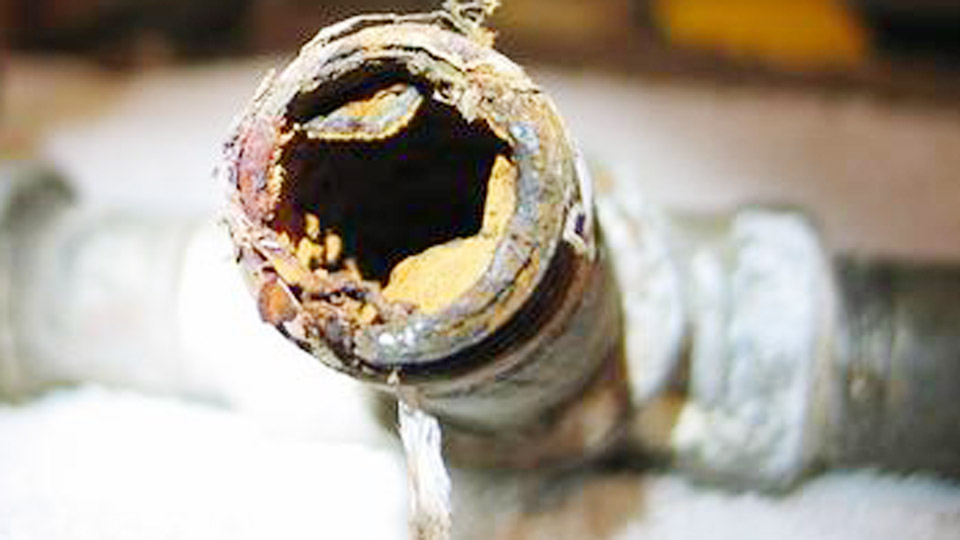
Calcium deposits form when hard water evaporates on stainless steel surfaces, leaving behind calcium carbonate and related minerals. Welders and fabricators encounter this chalky white scale on tanks, pipes, heat exchangers, food-processing equipment, and fixtures that must be repaired or modified.
Left untreated, the deposits interfere with proper joint fit-up, reduce heat transfer, trap contaminants that promote crevice corrosion, and create inconsistent surfaces that compromise weld quality.
Knowing how to remove calcium deposits from stainless steel correctly protects the passive chromium-oxide layer, restores corrosion resistance, and prepares the metal for reliable welding or service.
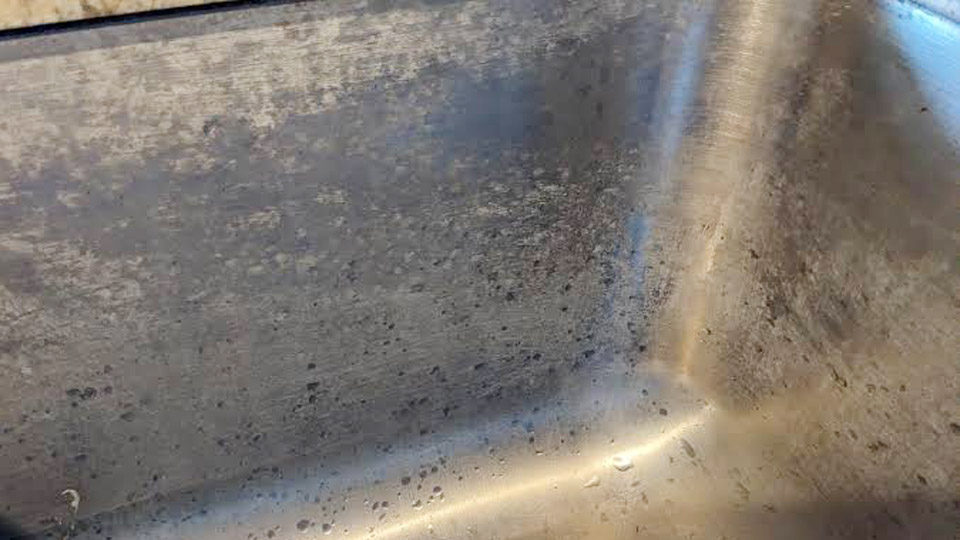
Image by r/CleaningTips
Identifying Calcium Deposits Versus Other Surface Contaminants
Visual and Physical Differences That Matter for Cleaning Decisions
Calcium deposits appear as dull white, gray, or chalky films and crusts. They often concentrate where water evaporates—around fittings, on horizontal surfaces, or inside vessels. The scale is relatively soft when fresh but hardens into adherent layers over time. It dissolves readily in mild organic acids.
Weld heat tint and oxide scale look different: blue, brown, or black discoloration concentrated near the weld bead and heat-affected zone. These oxides form from high-temperature exposure in air and require stronger pickling or mechanical removal.
Iron contamination produces reddish-brown rust spots and usually needs specialized treatments. Confusing calcium scale with these other residues leads to over-aggressive cleaning that damages the stainless surface.
Testing Scale Composition Before Full Cleaning
A simple field check helps confirm the deposit. Apply a drop of dilute vinegar or citric acid solution. Calcium carbonate fizzes or softens within minutes. Lack of reaction suggests a different contaminant. For industrial jobs, a laboratory analysis of the scale can identify mixed deposits (calcium plus silicates or iron) and guide the choice of cleaner.
Selecting the Correct Chemical Approach for Stainless Steel Grades
Why Chloride-Based Acids Are Usually Avoided
Hydrochloric acid and many commercial descalers containing free chlorides attack the passive film on 304 and 316 stainless and can initiate pitting, especially in crevices or under residual scale.
Once pitting starts, corrosion continues even after the acid is rinsed away. Prefer organic acids or inhibited phosphoric formulations that dissolve calcium without aggressive chloride attack.
Matching Acid Strength to Deposit Severity and Alloy
Light films respond to 5 % acetic acid (household white vinegar). Moderate scale responds faster to 5–10 % citric acid. Heavy industrial deposits on process equipment often need 10–15 % phosphoric acid solutions, used warm and followed by thorough neutralization and rinsing.
Always verify the manufacturer’s recommendations for the specific stainless grade and service environment.
Vinegar Method for Light to Moderate Calcium Deposits
Preparation and Application Concentrations
Use undiluted white vinegar (approximately 5 % acetic acid) for small areas or a 1:1 to 1:3 vinegar-to-water mixture for larger surfaces. For cookware-style components or small tanks, fill the vessel so the solution covers the deposits completely. For external surfaces, spray or apply with a saturated cloth.
Contact Time, Temperature, and Agitation
Room-temperature soaks of 15–30 minutes handle light films. Stubborn deposits respond better when the solution is heated to 50–60 °C (not boiling for thin-walled parts). Gentle agitation with a nylon brush accelerates removal without scratching.
Refresh the solution if it becomes cloudy or depleted. After the deposits soften, wipe or brush them away, rinse thoroughly with clean water, and dry immediately to prevent new water spots.
Prolonged overnight soaks in concentrated vinegar are unnecessary and risk dulling the passive layer on polished surfaces. Limit contact time once the scale is gone.
Citric Acid for Faster and More Controlled Descaling
Recommended Concentrations and Mixing
Food-grade citric acid powder mixed at 5–7 % by weight (approximately 50–70 g per liter of water) dissolves calcium carbonate effectively while remaining mild on austenitic stainless. A 10 % solution can be used for heavier scale when contact time is monitored. Dissolve the powder in warm water for faster action.
Procedure for Tanks, Pipes, and Heat-Exchanger Surfaces
Circulate or soak the solution so it contacts all scaled areas. Warm solutions (40–60 °C) work faster than cold. Typical contact times range from 30 minutes for light scale to several hours for thick deposits.
Monitor progress; once the scale softens, mechanical assistance with non-metallic brushes speeds removal. Rinse with copious clean water until the runoff is neutral, then dry.
Citric acid also contributes to surface passivation by preferentially removing free iron, making it a dual-purpose choice for fabricators who must restore corrosion resistance after cleaning.
Phosphoric Acid for Adherent Industrial Scale
Safe Working Concentrations and Conditions
A 10–15 % phosphoric acid solution effectively attacks hard calcium deposits that resist weaker acids. Use inhibited commercial formulations when available to reduce attack on the base metal. Apply warm (not exceeding 60 °C for most applications) and limit exposure to the minimum time required.
Neutralization and Rinse Requirements
After the scale dissolves, neutralize residual acid with a dilute alkaline solution or ammonia rinse, followed by thorough water flushing. Incomplete rinsing leaves acidic residues that can later cause staining or corrosion under insulation or in stagnant areas. For food-grade or sanitary equipment, follow with a validated cleaning and passivation sequence.
Mechanical Assistance Without Damaging the Passive Layer
Acceptable Tools and Techniques
Nylon or soft plastic brushes, non-woven abrasive pads rated for stainless (such as Scotch-Brite equivalents in fine grades), and plastic scrapers remove softened scale without embedding iron particles. Avoid steel wool, carbon-steel wire brushes, or coarse abrasives that introduce free iron and create galvanic sites.
Work with the grain on polished or brushed finishes. On welded joints, take extra care around the toe of the weld where residual heat tint may still be present; remove only the calcium layer first, then address oxides separately if needed.
When Mechanical Cleaning Alone Is Insufficient
Thick, aged scale often requires chemical softening before mechanical removal. Attempting to grind or sand heavy calcium deposits generates heat and embeds particles, creating more problems than it solves.
Special Considerations Around Welds and Heat-Affected Zones
Sequence for Components That Require Subsequent Welding
Remove calcium deposits completely before welding. Residual scale creates gas pockets, lack of fusion, and inconsistent arc characteristics. Clean the joint area and adjacent surfaces, rinse, dry, and verify cleanliness with a solvent wipe or white-cloth test.
If heat tint from previous welding is also present, address oxides after or in conjunction with descaling using appropriate pickling pastes or electrochemical methods approved for the alloy.
Protecting Newly Welded Areas During Future Service
After fabrication, ensure the entire assembly receives proper passivation. Calcium scale that later forms preferentially in areas of incomplete passivation accelerates localized attack. Design drainage and avoid stagnant water pockets wherever practical.
Post-Cleaning Passivation and Surface Restoration
Why Passivation Follows Descaling
Acid cleaning can temporarily disrupt the chromium-rich passive film. Citric acid passivation (typically 4–10 % solutions at controlled temperature and time) or nitric acid passivation restores the protective layer by removing free iron and enriching surface chromium. Follow ASTM A967 or the applicable specification for the alloy and end use.
Verification Methods
A simple copper sulfate or ferroxyl test detects residual free iron. Visual inspection under good lighting reveals remaining haze or streaks. For critical service, electrochemical testing confirms passive film integrity.
Prevention Strategies During Fabrication and In-Service Use
Design and Fabrication Practices That Reduce Scale Formation
Specify smooth internal finishes, adequate drainage slopes, and accessible inspection ports on tanks and piping. Avoid crevices that trap water. During fabrication, keep stainless separated from carbon steel tools and work areas to prevent iron contamination that later becomes initiation sites for scale and corrosion.
Water Treatment and Maintenance Intervals
Where hard water cannot be avoided, consider softener systems, scale inhibitors, or periodic mild acid circulation. Immediate drying after wet cleaning or hydrostatic testing prevents new deposits. Establish inspection intervals based on water hardness and operating temperature; higher temperatures accelerate deposition.
When Chemical Methods Reach Their Limit
Assessing Scale That Resists Standard Treatment
Mixed deposits containing silica, iron oxides, or organic films may require specialized chelating agents or sequential cleaning (alkaline degrease followed by acid). Thick scale in long pipe runs or complex heat exchangers often needs circulating systems with filtration to remove dissolved and suspended material.
Professional Descaling and Inspection Options
For large vessels, plate heat exchangers, or critical process equipment, contract services using inhibited, proprietary descalers formulated specifically for stainless steel provide controlled, documented results. Post-cleaning borescope or ultrasonic inspection verifies complete removal and checks for any surface damage.
Wrapping Up
Choosing the mildest effective acid, controlling contact time and temperature, rinsing thoroughly, and restoring the passive film produces clean, corrosion-resistant stainless steel ready for welding or reliable service.
For critical pressure vessels or sanitary systems, document the cleaning procedure and verification steps; residual scale or incomplete passivation remains one of the most common sources of premature failure in stainless fabrications exposed to hard water.
FAQ
Can I use CLR or other household calcium removers on stainless steel?
Many commercial calcium removers contain hydrochloric acid or chlorides that can pit stainless steel. Check the label for chloride content. Prefer citric- or phosphoric-based products explicitly rated safe for stainless.
How long should I leave citric acid solution on stainless steel tanks?
Typical contact times range from 30 minutes for light deposits to 2–4 hours for moderate scale at 5–7 % concentration and elevated temperature. Monitor progress and rinse promptly once the deposits are gone to avoid unnecessary exposure.
Will vinegar remove calcium deposits from welded stainless pipe joints?
Yes for light to moderate deposits. Apply locally with saturated cloths or by circulating solution through the line. Ensure complete rinsing and drying before any subsequent welding or return to service.
Is it necessary to passivate stainless steel after removing calcium scale?
Yes when the cleaning process has been aggressive or when the equipment must maintain maximum corrosion resistance. Mild vinegar cleaning of polished surfaces may not always require formal passivation, but citric or nitric passivation is standard practice after industrial descaling.