Dirty metal produces porosity, incomplete fusion, and cracked welds even when machine settings are perfect. Oil, mill scale, rust, paint, and oxide layers introduce hydrogen, nitrogen, and foreign particles into the weld pool, weakening the joint and creating defects that fail inspection or service loads.
Learning how to clean metal before welding determines whether the arc deposits sound metal or embeds contamination that no amount of post-weld grinding can fully correct.
The difference appears immediately in arc stability, bead appearance, and mechanical properties—especially on TIG work or high-restraint joints where hydrogen cracking risk rises.
Effective cleaning targets specific contaminants with the right sequence of solvents and abrasives matched to the base metal and welding process.
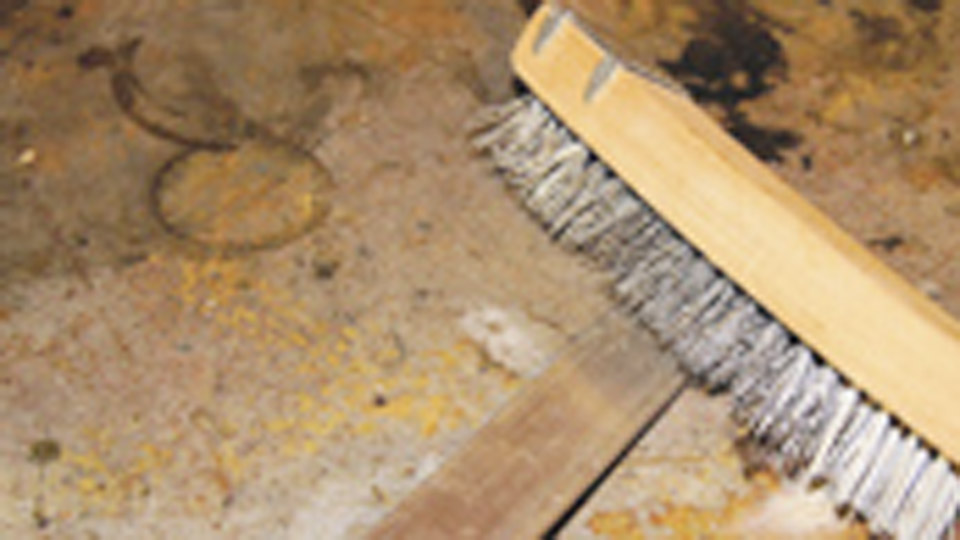
Image by shopmetaltech
Which Surface Contaminants Produce the Highest Defect Rates
Surface condition controls gas evolution, arc behavior, and fusion quality more directly than most operators expect.
Oil, Grease, and Cutting Fluids
Hydrocarbon films generate hydrogen and carbon monoxide as they decompose under the arc. The result is porosity concentrated along the fusion line or distributed through the weld metal. Even light fingerprints or residual machining oil create enough gas to open voids that reduce tensile strength.
These films also destabilize the arc on TIG, causing tungsten contamination and erratic puddle control. Solvent removal before any abrasive work prevents driving oil deeper into surface pores.
Mill Scale on Hot-Rolled Steel
Mill scale is a brittle iron-oxide layer that melts at a higher temperature than the underlying steel. It acts as a barrier to fusion, produces incomplete penetration, increases spatter, and leaves inclusions. AWS D1.1 requires removal of loose scale and contaminants within 1 inch (25 mm) of the weld joint for structural work.
Light scale can sometimes be burned through with high-deoxidizer fillers on non-critical MIG or stick welds, but the arc becomes unstable and travel speed must drop.
Rust, Paint, and Coatings
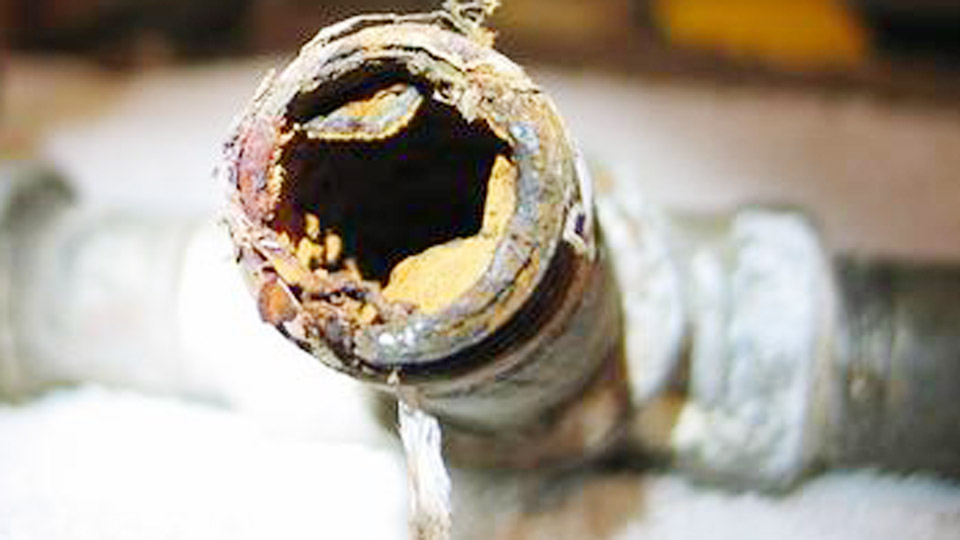
Rust introduces oxygen and moisture that promote porosity and hydrogen cracking. Paint and primer release toxic fumes and leave carbon residues that embrittle the weld. Galvanized coatings generate zinc fumes that are hazardous and produce severe porosity and lack of fusion.
All three require complete mechanical removal to bare metal before welding; residual patches create localized defects that propagate under load.
Oxide Layers on Aluminum and Stainless
Aluminum forms a refractory oxide that melts near 3700 °F while the base metal melts near 1200 °F. Welding over it produces lack of fusion and black sooty deposits. Stainless develops heat tint and chromium-depleted zones that reduce corrosion resistance if left uncleaned. Both demand dedicated tools to avoid cross-contamination.
Mechanical Cleaning Choices for Scale, Rust, and Coatings
Mechanical methods remove solid contaminants without introducing chemical residues, but tool selection and technique determine whether the surface ends up clean or further contaminated.
Flap Discs and Grinding Wheels for Heavy Removal
40–60 grit flap discs or hard grinding wheels strip mill scale, heavy rust, and paint efficiently on carbon steel. Hold the disc at a shallow angle and keep it moving to avoid gouging thin material. Remove material only to bright metal in the joint area plus a 1-inch border.
Over-grinding thins the section and creates deep scratches that trap slag on subsequent passes. For stainless, use only stainless-dedicated discs; carbon-steel abrasives embed iron particles that initiate corrosion.
Wire Wheels and Brushes for Light Scale and Tight Areas
Cup or radial wire wheels remove light rust and residual scale without aggressive stock removal. Keep the wheel perpendicular to the surface so the tips do the cutting; shallow angles cause wire breakage and leave broken filaments in the joint.
Dedicate separate brushes by material—carbon steel, stainless, and aluminum each require their own set. Cross-contamination from a steel brush on aluminum embeds iron that becomes a galvanic cell and weld-defect nucleation site.
Needle Scalers and Media Blasting for Large or Complex Surfaces
Needle scalers chip heavy rust and slag from structural members without the heat and material loss of grinding. Media blasting (sand, grit, or shot) produces a uniform clean profile on large fabrications but requires thorough post-blast solvent wiping to remove residual media dust. Both methods excel when access is limited or when surface area makes hand grinding impractical.
Solvent Selection and Correct Application Sequence
Solvents remove organic films that mechanical methods alone cannot eliminate. Sequence and solvent choice control whether the surface stays clean or re-contaminates.
Acetone, Alcohol, and Approved Alternatives
Acetone and denatured or isopropyl alcohol dissolve oil and evaporate cleanly with minimal residue. Apply with lint-free cloths or clean paper towels, wiping in one direction until the cloth shows no soil. Avoid chlorinated solvents on stainless if residual chlorine can remain, and never use oily products such as WD-40 that leave films.
Commercial low-VOC pre-weld cleaners offer similar performance with reduced fire risk in some shops. Allow full evaporation before striking an arc; residual solvent can ignite or generate toxic gases.
Degrease Before Abrasive Work, Then Again After
Apply solvent first so abrasives do not drive oil into the metal pores. After grinding or brushing, solvent-wipe again to remove abrasive dust and any reintroduced shop grime. For aluminum, this double sequence is mandatory: hydrocarbons must be gone before oxide removal, otherwise the brush simply smears oil into the fresh surface.
Final Wipe Immediately Before Welding
Dust, fingerprints, and atmospheric moisture re-contaminate prepared surfaces within minutes to hours. A final solvent wipe or dry lint-free cloth pass right before fit-up and arc initiation keeps the joint clean. On aluminum, oxide reforms rapidly, so mechanical oxide removal and the final clean must occur just before welding.
Material-Specific Cleaning Requirements That Change Outcomes
Base-metal chemistry and oxide behavior demand different tool sets and timing.
Carbon and Mild Steel Preparation
Remove mill scale, rust, and coatings to bright metal within the weld zone plus border. Wire wheels handle light contamination; flap discs or grinders handle heavy scale.
Degrease before and after abrasion. Stick and MIG tolerate residual light scale better than TIG, but complete removal still yields lower spatter and more consistent penetration. Preheat may be needed on thick or restrained sections after cleaning to drive off residual moisture.
Aluminum Oxide and Hydrocarbon Removal Sequence
Always degrease first with acetone or approved solvent. Then use a stainless-steel wire brush dedicated exclusively to aluminum, or a carbide burr for heavy oxide, to remove the oxide layer. Brush just before welding because the oxide reforms within minutes of exposure to air.
Never use sandpaper containing aluminum oxide grit—it adds more oxide. Avoid compressed air that can introduce moisture or oil. Cover prepared joints with clean kraft paper if welding is delayed.
Stainless Steel Contamination Control
Use only stainless-dedicated grinding wheels, flap discs, and wire brushes. Iron particles from carbon-steel tools create rust spots and reduce corrosion resistance. Remove heat tint and oxide with mechanical methods or approved pickling pastes where code allows.
Final solvent wipe with acetone or alcohol prevents fingerprint contamination that can show as defects under the arc. Cross-contamination is the most common source of post-weld corrosion on otherwise sound stainless welds.
How Welding Process Strictness Alters Cleaning Standards
Process sensitivity to contamination dictates how thorough the prep must be.
TIG Demands the Cleanest Surface
TIG has no slag or flux to scavenge impurities. Oil, scale, or oxide produces immediate sooty deposits, tungsten contamination, and porosity. Bright, solvent-wiped metal is non-negotiable. Even light mill scale or fingerprints disrupt the arc and puddle.
MIG and Flux-Cored Tolerance Windows
MIG can burn through light mill scale or residual oil with high-deoxidizer wires (ER70S-2 or similar), but results improve markedly on clean metal: less spatter, better bead shape, and fewer inclusions. Flux-cored wires with strong deoxidizers handle more contamination than solid wire, yet heavy rust or paint still produces defects and fumes.
Stick Electrode Capability on Imperfect Surfaces
Cellulosic electrodes such as E6010/6011 penetrate light rust and scale better than low-hydrogen rods. Low-hydrogen 7018 still requires relatively clean metal to avoid hydrogen cracking. Even with stick, removing heavy coatings and oil reduces porosity and improves slag release.
Joint Access, Edge Preparation, and Root-Side Considerations
Cleaning is incomplete if only the face of the joint is addressed.
Bevels, Roots, and Backing Surfaces
Grind or brush inside bevels and on the root face. Contaminants trapped in the root produce lack of fusion or porosity that is difficult to repair. When welding from one side only, clean the opposite face if heat can draw contaminants through the joint. Backing bars or strips must be equally clean.
Fit-Up After Cleaning
Assemble only after final solvent wipe. Clamps, fixtures, and handling gloves can reintroduce oil or dirt. If the joint sits overnight, re-clean before welding. On aluminum, the time window between oxide removal and arc start is measured in minutes, not hours.
Wrapping Up
Selecting the correct cleaning method and sequence for the specific contaminant, base metal, and process eliminates the majority of porosity and fusion defects before the arc is struck. Mechanical removal of scale and coatings combined with solvent degreasing in the proper order produces a surface that allows the weld metal to fuse cleanly and solidify without gas pockets or inclusions.
Advanced operators further reduce defect rates by matching abrasive aggressiveness to material thickness and by verifying cleanliness with a final solvent wipe that leaves no residue, ensuring the joint enters the welding cycle free of the contaminants that no filler-metal deoxidizer can fully compensate for.
FAQs
Do I have to remove all mill scale before welding?
For structural code work under AWS D1.1, yes—remove loose scale and contaminants within 1 inch of the joint. On non-critical MIG or stick work, light tightly adherent scale can sometimes be welded over with high-deoxidizer fillers, but expect more spatter and less consistent penetration.
What is the best way to clean aluminum before TIG welding?
Degrease first with acetone or isopropyl alcohol using a lint-free cloth, then remove oxide with a stainless-steel wire brush used only on aluminum. Perform the brushing immediately before welding because the oxide layer reforms quickly.
Can I use brake cleaner or WD-40 to clean metal before welding?
No. Many brake cleaners leave residues or contain chlorinated compounds that produce hazardous fumes under the arc. WD-40 leaves an oily film that causes porosity. Use acetone, denatured alcohol, or approved pre-weld cleaners that evaporate cleanly.
How far beyond the weld joint should I clean?
Remove contaminants at least 1 inch (25 mm) on each side of the joint on carbon steel per common structural practice. Clean farther on aluminum or when heat input may draw surface films into the puddle.