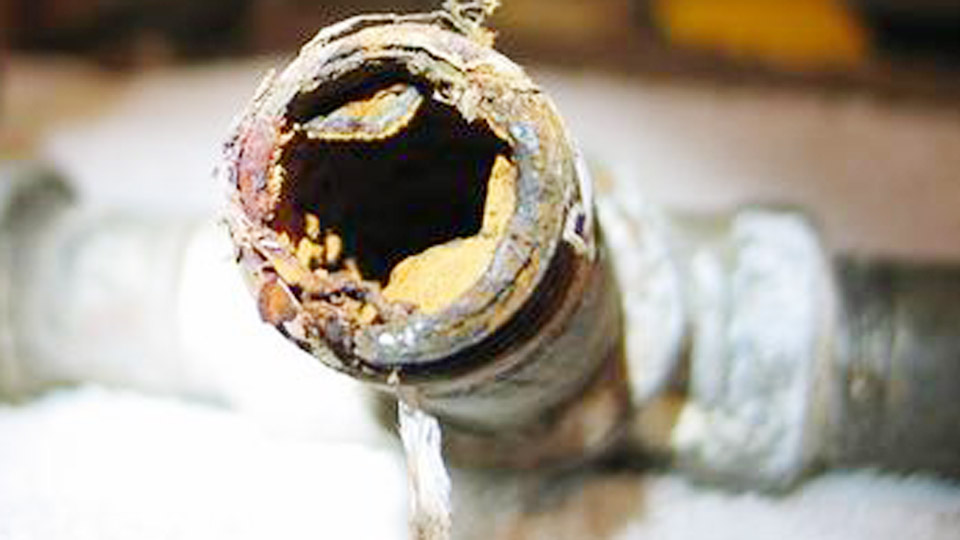
Green oxidation on brass appears as a green or blue-green deposit that develops when copper in the brass reacts with moisture, oxygen, and environmental contaminants. Knowing how to remove green oxidation from brass is important because aggressive cleaning can scratch the surface, damage protective coatings, or remove the natural finish.
Whether you’re restoring brass fittings, plumbing components, decorative hardware, or metalwork, the cleaning method must match the severity of the corrosion and the condition of the surface.
Mild oxidation may respond to household cleaning solutions, while heavier deposits require more controlled treatment and careful surface preparation.
Using the right products and techniques helps remove corrosion without unnecessarily damaging the brass. Understanding the causes of green oxidation and choosing an appropriate cleaning method will help you restore the metal’s appearance while reducing the risk of recurring corrosion.
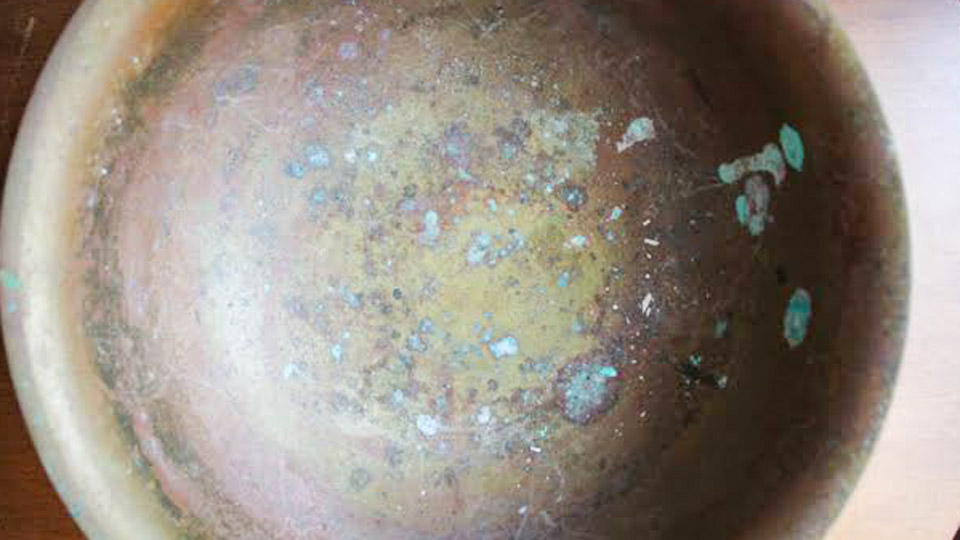
Image by thesimplehomeplace
Identifying Severity and Alloy Condition Before Cleaning
Distinguishing Light Film from Thick Verdigris Crust
Light green film appears as a thin, powdery coating that wipes partially with a dry cloth. Thick verdigris forms a raised, waxy or crystalline crust that adheres tightly and often accompanies darker underlying oxide. Light film responds to mild mechanical action or short acid contact.
Heavy crust requires longer dwell time or progressive abrasion because the carbonate layer can be several thousandths of an inch thick. Visual inspection under strong light reveals whether the green material is loose or bonded; loose material comes off first and should be collected to avoid spreading copper salts.
Confirming Solid Brass Versus Plated or Coated Surfaces
Solid brass is non-magnetic and shows uniform yellow color once cleaned. Plated parts often reveal base metal (steel, zinc, or plastic) at edges or wear points. Aggressive abrasion or prolonged acid exposure destroys thin plating.
A quick magnet check and edge inspection prevent damage. Lacquered brass requires solvent removal of the coating before any oxide treatment; otherwise the cleaner cannot reach the metal.
Mechanical Methods That Leave a Weld-Ready Surface
Selecting Brushes and Abrasives Compatible with Brass
Nylon or soft brass-bristle brushes remove loose verdigris without embedding ferrous particles. Steel wire brushes introduce iron contamination that can cause later pitting or galvanic issues.
Non-woven abrasive pads (Scotch-Brite equivalent, medium or fine grade) follow brushing and cut remaining oxide while producing a uniform surface texture suitable for flux or filler flow.
For flat stock or pipe exteriors, 180–320 grit emery cloth or aluminum-oxide paper works efficiently; stop once bright metal appears to avoid unnecessary thinning.
Progressive Abrasion Sequence for Joint Preparation
Start dry to lift powdery material, then progress to light wet abrasion if needed. Keep the work area free of steel grit. On threaded fittings or internal surfaces, use appropriately sized brass or nylon tube brushes.
After mechanical cleaning, wipe with a clean, lint-free cloth and solvent (acetone or approved non-chlorinated degreaser) to remove residual particles. Mechanical methods alone suffice for most light-to-moderate oxidation and leave no chemical film that could interfere with subsequent welding or brazing.
Acid Pastes and Solutions for Dissolving Copper Carbonate
Vinegar-Salt Formulations and Optimal Dwell Times
White vinegar (approximately 5 % acetic acid) combined with table salt dissolves basic copper carbonate effectively. A practical paste uses ¼ cup vinegar, 1–2 tablespoons salt, and enough flour or cornstarch to create a spreadable consistency that stays in place on vertical surfaces.
Apply to the green areas, allow 15–45 minutes dwell depending on crust thickness, then scrub with a nylon brush. The acid converts the carbonate to soluble copper acetate while salt provides mild abrasion.
Rinse thoroughly with clean water in several changes, then dry immediately with compressed air or clean cloths. Incomplete rinsing leaves residual salts that accelerate re-oxidation or contaminate the weld pool.
Lemon-Based and Combined Acid Approaches
Fresh lemon juice (citric acid) mixed with salt forms a similar paste for smaller or more delicate parts. Citric acid is milder than acetic in some applications and produces less odor. For moderate crusts, a short vinegar soak (30–60 minutes in a plastic container) followed by light brushing often finishes the job.
Avoid mixing vinegar and baking soda in equal parts for cleaning; the neutralization reaction consumes the acid needed to dissolve the oxide. Use baking soda only as a post-rinse neutralizer if desired.
Commercial Cleaners and Their Place in the Workflow
When Household Methods Reach Their Limit
Thick, long-established verdigris or large surface areas often respond faster to formulated brass cleaners containing oxalic acid, mild abrasives, and surfactants (examples include Bar Keepers Friend soft cleanser or traditional Brasso-type polishes).
These products cut oxide more aggressively and leave a temporary protective film in some cases. Apply according to label directions, agitate with a soft cloth or brush, then rinse or wipe completely.
For welding preparation, any residual polish film must be removed with solvent; otherwise it can produce smoke, porosity, or poor wetting.
Matching Cleaner Strength to Part Criticality
Decorative or non-structural brass tolerates commercial polish residue better than pressure-containing fittings or high-integrity welds. On critical components, finish with mechanical brightening after chemical treatment to guarantee a clean metallic surface. Always test a small area first when the alloy history is unknown.
Final Surface Preparation for Welding or Brazing
Achieving Bright Metal Without Contaminants
After oxide removal, the surface must show continuous bright brass color with no green residue or dull oxide patches. Wipe with solvent and inspect under good lighting. For TIG or oxy-fuel brazing, the joint zone should be free of fingerprints, oils, and residual cleaner.
Flux selection follows standard practice for the brass alloy and filler; clean metal allows the flux to perform its intended function rather than fighting residual carbonate.
Handling Threaded or Complex Geometry Parts
Internal threads and recesses hold both oxide and cleaner residue. Follow paste or soak treatment with thorough flushing and drying. Compressed air directed into cavities accelerates drying and removes trapped liquid. Residual moisture or acid trapped in threads can cause corrosion under the assembled joint.
Controlling Re-Oxidation After Cleaning
Temporary Protection Windows
Freshly cleaned brass begins to re-form oxide within hours in humid air. Perform welding or brazing as soon as practical after cleaning. When delay is unavoidable, store parts in a dry environment or apply a thin film of approved temporary protective oil that is fully removed before joining.
Some phosphoric-acid-based cleaners leave a thin conversion layer that slows re-oxidation for 24–48 hours, providing a useful window for shop scheduling.
Long-Term Storage Practices for Brass Stock
Keep cleaned or new brass in low-humidity storage with desiccant if necessary. Avoid contact with dissimilar metals that can accelerate galvanic corrosion. Periodic inspection of stored fittings prevents thick verdigris from reforming before use.
Selecting the correct sequence—mechanical first for light oxidation, controlled acid paste for heavier crusts, thorough rinse and dry, then immediate joint preparation—produces consistently weldable brass surfaces.
The decision between household paste and commercial cleaner hinges on crust thickness, part geometry, and whether the joint will see structural or pressure service.
Advanced operators combine short chemical dwell with final mechanical brightening and solvent wipe to eliminate every variable that could introduce porosity or lack of fusion under the arc or torch.
FAQs
Does vinegar damage brass when removing green oxidation?
Short, controlled contact with 5 % white vinegar does not meaningfully attack solid brass. Prolonged soaks or repeated aggressive use can etch the surface or accelerate dezincification on certain alloys; always rinse thoroughly and limit dwell time to the minimum needed.
Can I weld or braze brass that still has green oxidation?
No. Residual verdigris prevents proper wetting, introduces gas, and produces porous or weak joints. Clean to bright metal first.
What is the fastest method for light green film on brass fittings?
Dry brushing with a nylon or brass brush followed by a solvent wipe often removes light film in minutes and leaves a surface immediately ready for flux and heat.
How do I know if the green material is fully removed?
Visual inspection under strong light should show continuous bright yellow brass with no remaining green or dark oxide patches. A clean white cloth wiped across the surface should pick up no green residue.