Keeping your welding table free from rust is not just about looks—it’s about safety, productivity, and the quality of your projects. If you’re new to welding or have noticed your table getting rusty, you’re not alone. Many welders, even experienced ones, struggle to keep their tables clean and rust-free.
The good news is that preventing rust is possible with a few smart habits, practical solutions, and some knowledge of why rust forms in the first place. Let’s explore the best ways to protect your welding table, so you can work confidently and safely.
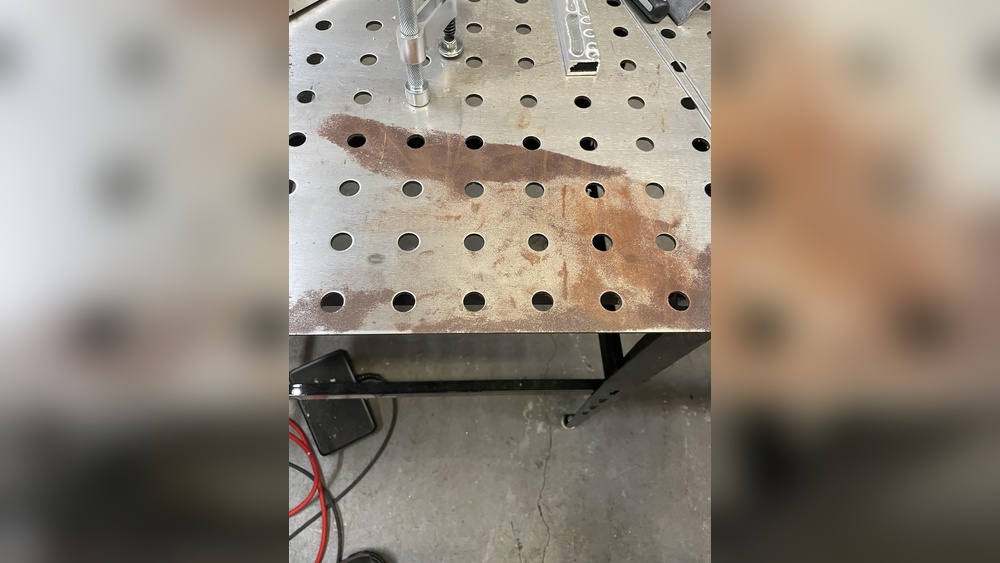
Why Welding Tables Rust
Welding tables are usually made from steel. Steel is strong, heavy, and perfect for supporting metalwork, but it’s also prone to rust. Rust forms when steel reacts with moisture and oxygen—this process is called oxidation.
Even small amounts of water in the air can cause rust to appear, especially in humid environments or places with temperature changes.
What many beginners miss is that even sweat, spilled drinks, or condensation from cold tools can start rust spots. Also, leftover welding debris, like slag or spatter, can trap moisture and speed up rusting.
Effects Of Rust On Welding Tables
Rust is more than just an orange stain. It can cause:
- Uneven surfaces: Rust makes the table bumpy, which affects accuracy.
- Poor conductivity: Welding needs a good electrical connection. Rust acts as an insulator, making it harder for current to flow.
- Weak structure: Over time, rust eats away at the steel, making the table less stable.
You might notice your clamps not gripping well or your welds looking rough. These are signs the table’s surface is not clean.
Choosing The Right Welding Table Material
Some materials resist rust better than others. Here is a comparison of common table materials:
| Material | Rust Resistance | Cost | Typical Use |
|---|---|---|---|
| Steel | Low | Moderate | General welding |
| Stainless Steel | High | Expensive | Precision/clean work |
| Aluminum | Medium | High | Lightweight welding |
Most welders use steel tables because they are strong and affordable. Stainless steel resists rust better, but costs much more and is harder to repair if damaged. Aluminum is lighter and resists corrosion, but is not as strong and doesn’t conduct heat as well. If you’re starting out, a steel table is practical—but it needs regular care to stay rust-free.
How To Prevent Rust: Daily Habits
Your daily routine matters more than you think. Here are practical steps:
- Wipe down after use: Always clean your table after finishing work. Metal dust, sweat, or spilled water can speed up rust.
- Keep the area dry: If possible, work in a dry space. Use a dehumidifier if your shop is humid.
- Avoid leaving metal shavings: These trap moisture and cause rust spots.
- Store tools properly: Wet or dirty tools placed on the table can transfer moisture.
Most beginners overlook how fast rust can form from tiny drops of water. Even touching the table with sweaty hands can leave marks that turn rusty in days.
Cleaning Methods For Existing Rust
If you spot rust, act quickly. There are several ways to remove it:
Manual Cleaning
- Wire brush: Scrub the rusty area. This works for light surface rust.
- Sandpaper: Use medium grit (80–120) for tougher spots. Sand until the metal shines.
- Steel wool: Good for small patches.
Chemical Cleaners
- Rust remover sprays: These dissolve rust. Follow the instructions and rinse well.
- Vinegar: Soak a cloth in vinegar and lay it over the rust for a few hours. Wipe clean.
Power Tools
- Angle grinder with flap disc: For heavy rust. Go slow to avoid damaging the table.
One mistake is using too much force and scratching the table. Always start with gentle methods, and test in a small area first.
Protective Coatings: Which Works Best?
After cleaning, the most effective way to stop new rust is applying a protective coating. Here is a comparison:
| Coating Type | Durability | Ease of Application | Impact on Welding |
|---|---|---|---|
| Oil (e.g., WD-40, motor oil) | Medium | Easy | Can smoke during welding |
| Paste wax | Medium | Simple | Safe, minimal smoke |
| Paint | High | Moderate | Not suitable for welding surface |
| Epoxy coating | Very high | Complex | Not recommended for weld zone |
For welding tables, paste wax and light oil work best. Paste wax creates a thin, smooth barrier and doesn’t interfere with welding. Oils are easy to apply but can create smoke or smell if you weld over them.
Tip: Never paint the main surface of your welding table. Paint acts as an insulator and affects grounding, which is critical for welding safety.
Step-by-step: Applying Protective Wax
Many welders use wax to keep their tables rust-free. Here’s how:
- Clean the table: Remove all rust, dust, and debris.
- Choose the wax: Use paste wax (like furniture wax or Johnson’s).
- Apply a thin layer: Use a clean cloth. Rub wax evenly over the surface.
- Let it dry: Wait 10–15 minutes.
- Buff the table: Polish with a dry cloth until the surface is shiny.
Repeat every few weeks, or after heavy use. Wax is safe, doesn’t smoke, and keeps the table smooth.
Using Oil: Simple Rust Prevention
Light oils (WD-40, machine oil) can protect steel. Here’s how:
- Spray or pour a small amount onto the surface.
- Spread with a cloth.
- Wipe off extra oil—don’t leave it thick.
Oil helps block moisture, but you should reapply after cleaning or heavy use. Some welders prefer oil because it’s quick, but remember it can create smoke during welding.
Environmental Controls
Humidity is a major cause of rust. If your workshop is damp, rust will form faster. Here’s what you can do:
Dehumidifiers
These machines pull water from the air. If your area is humid (above 50% relative humidity), a dehumidifier can make a big difference.
Air Flow
Good ventilation helps keep surfaces dry. Use fans to circulate air. Avoid letting water condense on cold metal.
Temperature Control
If possible, keep your shop at a steady temperature. Sudden changes can cause condensation.
Most beginners miss how fast morning dew or fog can rust metal. Even closed garages can be humid, especially after rain.
Covering Your Welding Table
If you don’t use your table every day, cover it. Covers block dust and moisture.
- Use a canvas tarp or a thick plastic sheet.
- Avoid thin plastic, which can trap moisture underneath.
- Make sure air can move beneath the cover.
Never cover a wet table. Always dry it first.

Credit: www.youtube.com
Preventing Rust During Storage
If you store your welding table for weeks or months:
- Clean and dry the surface.
- Apply a protective coating (wax or oil).
- Cover with a breathable tarp.
- Place silica gel packets or moisture absorbers nearby.
This prevents rust from forming while the table is unused.
Maintenance Routine: What To Do Monthly
A regular check-up keeps your table in good shape. Here’s a sample schedule:
- Inspect for rust spots.
- Clean with a wire brush or sandpaper if needed.
- Reapply wax or oil.
- Check humidity levels.
- Clean and store tools properly.
Setting a reminder each month helps you avoid bigger problems. Most beginners miss the importance of routine. Neglecting maintenance—even for a few weeks—can cause rapid rusting.
Dealing With Deep Rust Or Pitting
Sometimes rust goes deeper and creates pits or holes. If your table has deep rust:
- Use an angle grinder with a sanding disc to remove rust.
- Fill pits with weld or metal filler if needed.
- Sand smooth.
- Apply protective coating.
If the table is badly damaged, consider replacing the top plate. This is rare, but possible after years of neglect.
Advanced Protection: Galvanizing And Stainless Steel Upgrades
Some welders upgrade their tables for extra protection.
Galvanizing
Galvanizing is a process where steel is coated with zinc. Zinc stops rust, but can wear off over time—especially with heavy welding.
Stainless Steel Top Plate
Adding a stainless steel sheet on top of your table prevents rust almost completely. Stainless steel is expensive, but lasts longer and is easier to clean.
| Upgrade | Cost | Rust Resistance | Maintenance |
|---|---|---|---|
| Galvanizing | Moderate | High | Occasional touch-up |
| Stainless Steel Plate | Expensive | Very High | Easy cleaning |
These upgrades are great for professionals or shops with high humidity. For most hobbyists, regular maintenance is enough.
Common Mistakes Beginners Make
- Using water to clean: Water can cause new rust. Always dry after cleaning.
- Painting the welding surface: Paint is not suitable for welding tables—it blocks conductivity.
- Ignoring small rust spots: Rust spreads fast. Treat spots as soon as you see them.
- Leaving tools on the table: Tools can transfer moisture and dirt.
Many beginners think rust is only a cosmetic issue. It’s actually a safety risk and can ruin your work.
Real-world Example: Shop Maintenance Results
A small fabrication shop in Texas tracked rust prevention over one year. They used paste wax monthly, cleaned daily, and kept humidity below 40%. Their welding tables stayed rust-free, and weld quality improved. Productivity increased by 15% because workers spent less time cleaning and fixing rust issues.
Another shop in Florida, with high humidity, used a dehumidifier and oil coating. Rust was reduced but not eliminated. They found that covering tables overnight helped a lot.
Non-obvious Insights For Welders
- Grounding clamps work better on clean metal: Rust reduces electrical contact. Keeping the table rust-free improves safety.
- Moisture from the floor rises: If your workshop has a concrete floor, water vapor can rise and condense under the table. Raising the table slightly or using rubber pads underneath helps.
- Spatter traps moisture: Weld spatter is not just ugly—it can trap water and start rust. Always chip off spatter after welding.
These details are often missed, but make a big difference in long-term table life.
When To Replace Your Welding Table
If your table has deep pits, holes, or is warped, it may be time to replace or repair it. Look for:
- Large areas of rust that can’t be cleaned
- Weak spots that bend under weight
- Poor weld quality due to uneven surface
Replacing the top plate is often cheaper than buying a whole new table.
Frequently Asked Questions
What Is The Best Coating To Prevent Rust On A Welding Table?
Paste wax is the best for most welders. It’s easy to apply, doesn’t interfere with welding, and creates a smooth, protective layer. Light oil is also good, but can smoke during welding.
Can I Use Paint To Protect My Welding Table?
You should not paint the main welding surface. Paint acts as an insulator and blocks electrical grounding, which is important for welding. Paint can be used on the legs or sides, but not where you weld.
How Often Should I Clean And Protect My Welding Table?
Clean your welding table after every use. Apply wax or oil at least once a month, or more often if you work in a humid environment.
Does Humidity Affect Rust Formation?
Yes, humidity is a major cause of rust. High moisture levels in the air speed up oxidation. Use a dehumidifier or improve ventilation to lower humidity.
What Should I Do If My Welding Table Is Already Rusty?
Remove rust with a wire brush, sandpaper, or rust remover. Clean the surface, dry it, and apply a protective coating. Treat rust as soon as possible to prevent damage.
Wrapping Up
Keeping your welding table free from rust is a simple but important habit. With regular cleaning, good coatings, and attention to humidity, your table will stay strong and safe for years. Small actions each day make a big difference—so start your rust prevention routine now and enjoy better welding results.