Many welders switch from solid-wire MIG to flux core and keep pushing the gun the same way they always have. The result is slag trapped at the root, porosity, and lack of fusion that only shows up on a bend test or after the part is in service.
The question do you push or pull in flux core welding is not preference—it is a direct consequence of how the flux system works.
Flux-cored wire generates both shielding gas and a molten slag layer. That slag must stay on top of the solidifying weld metal. Pushing rolls the slag ahead of the arc and buries it.
Pulling (dragging) keeps the slag trailing behind the puddle where it belongs. Getting this single decision right determines penetration depth, inclusion rates, and whether the weld meets code.
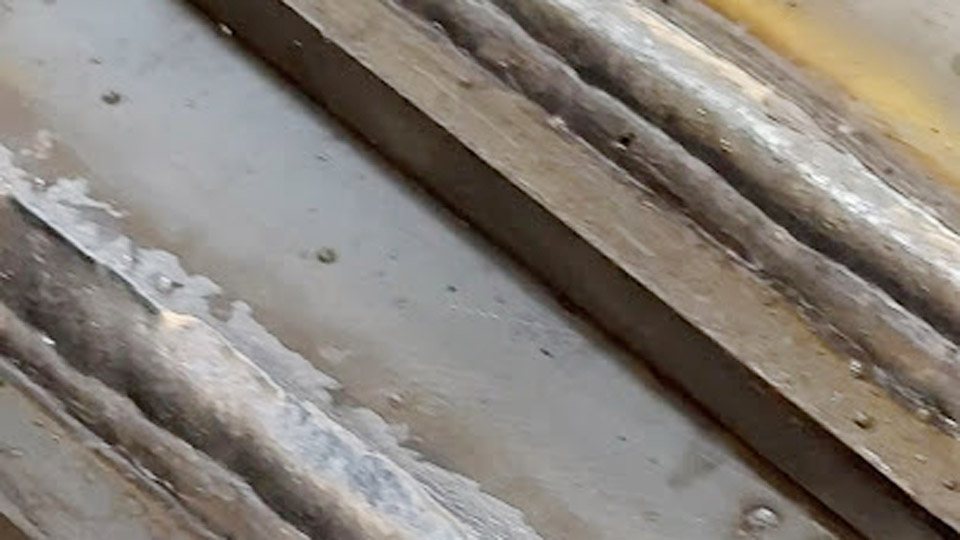
Image by fb/sewingwithfirewelding5627
The Slag Rule That Decides Push or Pull
Why flux core demands a drag technique
Flux-cored arc welding produces a mineral-based slag that solidifies at a higher temperature than the weld metal. When the gun is pushed (forehand technique), the arc force drives that liquid slag forward into the joint ahead of the puddle.
The advancing weld metal then freezes over the slag, creating inclusions. Dragging the gun points the tip back toward the completed weld so the slag forms and floats on the trailing edge of the puddle.
This is the same reason stick electrodes are always dragged. The industry shorthand is accurate: if there is slag, you drag.
How slag behaves under push versus pull
Under a proper drag angle the slag stays fluid long enough to cover the bead and then peels or is easily chipped. Under a push angle the slag can solidify on the cooler base metal in front of the arc and become locked in place.
Macro-etch sections routinely show higher inclusion rates and reduced penetration when the same parameters are run with a push instead of a drag.
Self-shielded wires are especially intolerant of push technique because they rely entirely on the flux for atmospheric protection; any disruption of the slag cover invites nitrogen and oxygen pickup.
Correct Gun Angles for Flux Core Drag Technique
Travel angle ranges by position
Travel angle is measured from perpendicular in the plane of the joint. For flat and horizontal work the standard drag angle is 5° to 15°. Angles steeper than 20–25° increase spatter and reduce penetration.
In the vertical-up position many wires perform best with a reduced drag of 5° to 15° or even a near-neutral angle; some gas-shielded T-1 wires tolerate a slight 5–10° push to keep slag from rolling ahead.
Overhead normally returns to a modest 0–15° drag so the arc force helps support the puddle against gravity.
Work angle for common joints
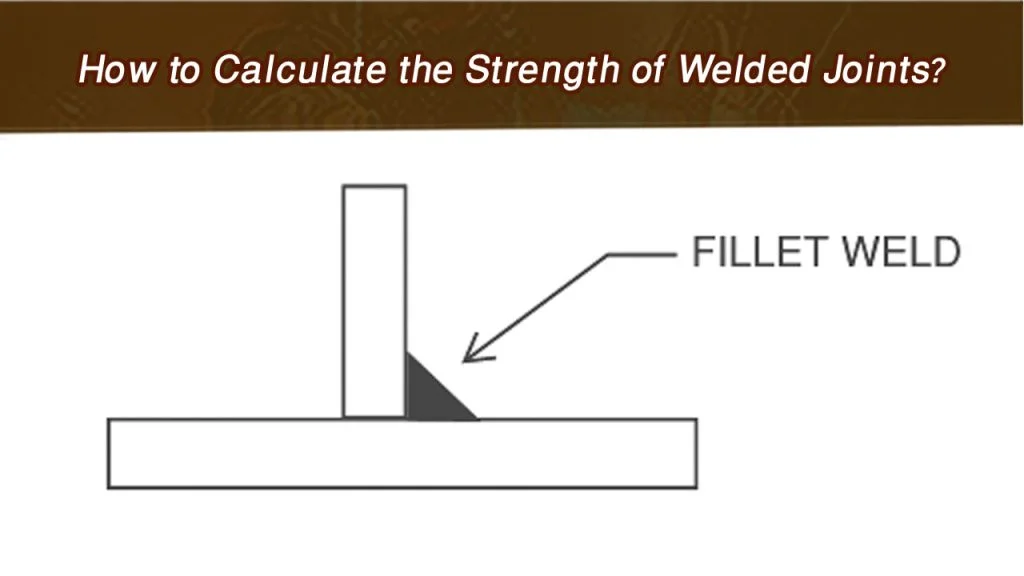
Work angle is independent of travel angle and is set by joint geometry. A butt joint calls for a 90° work angle (wire pointed straight into the root). Fillet and lap joints use approximately 45°.
These angles stay the same whether the travel direction is push or drag; only the travel angle changes with the chosen technique. Maintaining consistent work and travel angles simultaneously is more important than any single number on a chart.
Self-Shielded versus Gas-Shielded Flux Core Differences
FCAW-S outdoor and dirty-metal requirements
Self-shielded flux-cored wire (FCAW-S) generates its own shielding gas from the flux core. It is designed for outdoor work, wind, and surfaces that still carry mill scale or light rust. Because there is no external gas envelope, the slag system is the primary protection.
Drag technique is non-negotiable. Typical travel angles remain 15–45° in flat and horizontal positions and 5–15° vertical-up. Stick-out is longer than solid wire—usually ½ to ¾ inch—to allow the flux to vaporize properly before the arc.
When FCAW-G allows limited push flexibility
Gas-shielded flux-cored wire (FCAW-G) still produces slag, so drag remains the default. However, the external gas (usually 100 % CO₂ or argon-CO₂ mixes) provides an additional shield.
In clean shop conditions some operators use a slight push on thin material or for cosmetic cover passes where visibility of the joint ahead is more valuable than maximum penetration.
Even then, the risk of slag inclusions rises. Most procedure specifications and manufacturer data sheets still list a drag angle for dual-shield wires.
Position-Specific Decisions: Flat, Horizontal, Vertical, Overhead
Flat and horizontal defaults
These positions give the greatest freedom. A 5–15° drag angle produces a convex bead with good penetration and easy slag removal. Travel speed is set so the puddle does not run ahead of the arc. If the slag begins to roll in front of the wire, either the travel angle is too steep or the travel speed is too slow.
Vertical-up adjustments
Vertical-up changes the slag dynamics because gravity pulls the molten slag downward. A reduced drag angle (5–15°) or a near-perpendicular gun keeps the slag from cascading into the joint.
Many all-position wires are run with a slight side-to-side weave or a pause at each toe to build a shelf that supports the next increment of metal. Amperage is often reduced 10 % from flat settings to keep the puddle manageable.
Overhead constraints
Overhead limits both visibility and puddle control. A modest drag or neutral angle is used so the arc force helps hold the metal in place. Excessive drag angle can cause the slag to drip into the welder’s face or clothing.
Stick-out is kept short and travel speed is increased relative to flat welding to reduce heat input and the volume of molten metal that must be supported.
Penetration, Bead Shape, and Defect Risks by Technique
| Factor | Drag (Pull) | Push (Forehand) |
|---|---|---|
| Penetration | Deeper, concentrated | Shallower, wider |
| Bead profile | More convex, higher reinforcement | Flatter, wider |
| Slag inclusions | Low when angle and speed correct | High risk, especially self-shielded |
| Spatter | Moderate to higher | Often lower on clean metal |
| Visibility of joint | Limited (looking at completed weld) | Better (looking ahead) |
| Best application | Structural, outdoor, thick plate | Thin sheet, cosmetic passes, restricted access |
Drag technique directs more of the arc energy into the joint, increasing penetration 15–30 % under identical voltage and wire-feed settings.
Push spreads the heat forward, producing a flatter bead that may look better but lacks the same fusion depth. On structural work the extra penetration of the drag technique is usually the deciding factor.
Stick-Out, Travel Speed, and Parameter Interactions with Technique
Contact-tip-to-work distance (stick-out) interacts directly with travel angle. Self-shielded wires commonly run ½–¾ inch stick-out; gas-shielded wires can run slightly shorter.
Longer stick-out increases resistance heating of the wire and softens the arc, which can reduce the effective penetration advantage of a drag angle.
Travel speed must keep the arc on the leading edge of the puddle. Too slow and slag accumulates in front of the wire even with a correct drag angle; too fast and the bead becomes undercut or lacks fusion at the toes.
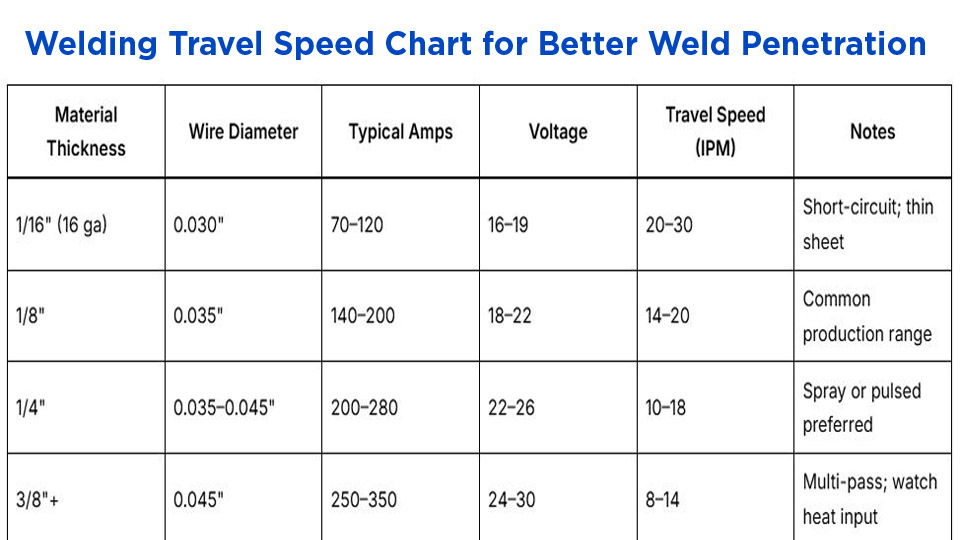
Voltage and wire-feed speed are set first according to the manufacturer’s chart for the wire diameter and position; the drag angle is then applied on top of those parameters.
Changing from push to drag without adjusting travel speed or voltage will alter bead shape and may introduce new defects.
Wrapping Up
The correct answer to “do you push or pull in flux core welding” is almost always pull (drag). The flux system creates slag that must trail the puddle. A 5–15° drag angle in flat and horizontal work, reduced angles vertical-up, and consistent work angles matched to the joint deliver the penetration and inclusion control required for structural and outdoor applications.
Gas-shielded wires allow limited push use in controlled shop conditions, but drag remains the safer default. Advanced operators treat the travel angle as a variable that is adjusted only after parameters, stick-out, and joint preparation are already correct—never as a substitute for them.
FAQs
Should you push or pull with self-shielded flux core wire?
Always pull (drag). Self-shielded wire relies entirely on the flux for shielding; pushing traps slag and invites porosity.
What travel angle is recommended for flux core in the flat position?
A 5° to 15° drag angle from perpendicular is the standard range. Angles beyond 20–25° increase spatter and reduce penetration.
Can you push gas-shielded dual-shield flux core?
Drag is still preferred because the wire produces slag. A slight push is sometimes used on thin material for visibility, but inclusion risk rises.
Why does pushing flux core cause slag inclusions?
The arc force drives molten slag ahead of the puddle onto cooler base metal. The advancing weld metal then freezes over the slag, locking it inside the bead.