A plastic panel glued to a wooden frame peels under light load, or a repair on a tool handle fails after a few months of vibration. The failure almost always traces to mismatched adhesive chemistry or inadequate surface energy on the plastic side.
What is the strongest glue for plastic on wood depends first on identifying the plastic, then selecting an adhesive that can wet both the porous wood and the non-porous polymer while surviving the expected shear, peel, and environmental stress.
For most rigid, higher-surface-energy plastics the answer is a toughened two-part epoxy; for polyethylene or polypropylene it shifts to specialty low-surface-energy systems. Correct choice plus proper preparation produces bonds that routinely exceed the strength of the wood itself.
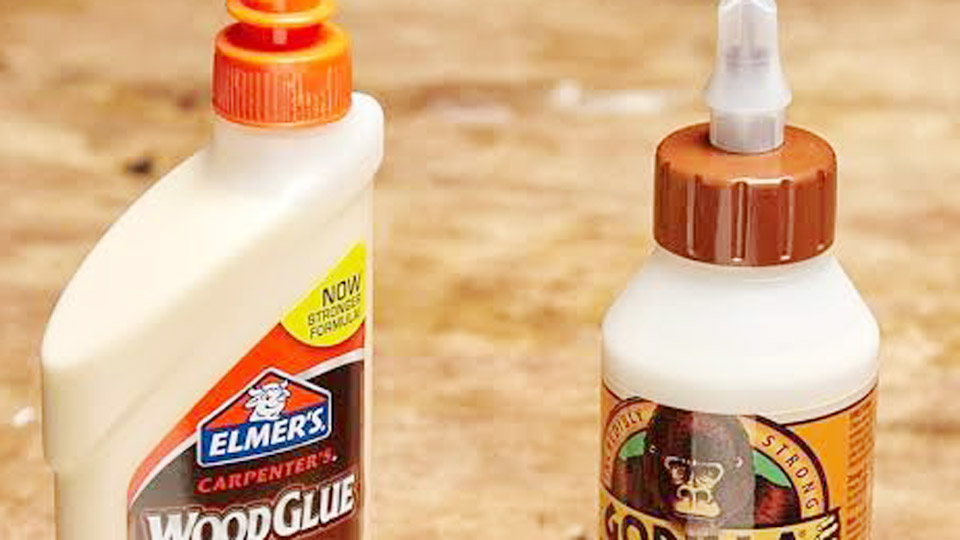
Image by familyhandyman
Identifying Plastic Type Before Choosing Any Adhesive
Surface energy and chemical inertness determine whether an adhesive can form a durable interface. Misidentifying the plastic leads directly to bond failure even with high-rated products.
High- and Medium-Surface-Energy Plastics
ABS, acrylic (PMMA), polycarbonate, rigid PVC, and many engineering plastics accept conventional structural adhesives once cleaned and lightly abraded. These materials allow the adhesive to wet the surface and develop both mechanical interlocking and chemical adhesion.
Two-part epoxies and methyl methacrylate (MMA) systems routinely achieve lap-shear values in the 3,000–5,000 psi range on properly prepared samples of these plastics bonded to wood.
Low-Surface-Energy Plastics
Polyethylene (PE, HDPE, LDPE), polypropylene (PP), and related polyolefins reject most ordinary adhesives. Their low surface energy prevents wetting. Standard epoxy or polyurethane forms only a weak, temporary attachment.
These plastics require either a primer/activator system paired with cyanoacrylate or epoxy, or a dedicated LSE acrylic or MMA adhesive formulated to bond polyolefins. Without that chemistry the joint will delaminate under modest peel or impact.
Quick Identification Methods
Recycling codes (2 or 4 for PE, 5 for PP), burn tests (with proper ventilation and safety), or manufacturer markings provide the first filter. When the plastic is unknown, test a small area with the intended adhesive after full surface preparation; if the bond fails in shear or peel on the test piece, switch to an LSE-rated product.
Comparing Adhesive Chemistries for Plastic-to-Wood Strength
No single product dominates every combination of plastic, load, and environment. Selection rests on measured performance under realistic conditions.
Toughened Two-Part Epoxy
Toughened epoxy remains the most reliable high-strength option for the majority of rigid plastics bonded to wood. The resin-hardener reaction creates a cross-linked network that fills small gaps, resists moisture once cured, and develops high shear and tensile strength.
Typical commercial formulations list tensile or lap-shear strengths of 3,000–5,000+ psi. The bond line is relatively rigid, which suits static or moderate-impact joints. Five-minute and longer open-time versions allow positioning; full cure usually requires 24 hours at room temperature.
Epoxy is unsuitable for untreated PE/PP and can yellow or degrade under prolonged UV exposure unless protected or formulated with UV stabilizers.
Methyl Methacrylate (MMA) and Structural Acrylics
MMA adhesives often deliver the highest structural performance on plastics, including many difficult grades, and bond well to wood. They offer good impact resistance, moderate flexibility, and faster handling strength than many epoxies. Industrial grades can exceed 4,000–5,000 psi in shear.
Drawbacks include stronger odor, the need for proper mixing equipment in some systems, and higher cost. They are preferred when the joint will see vibration, differential thermal expansion, or higher peel loads.
Polyurethane Adhesives
Moisture-curing polyurethane (the classic expanding “Gorilla Glue” type and non-foaming variants) bonds wood effectively and can attach many plastics when surfaces are prepared. Expansion fills minor irregularities and the cured material retains some flexibility, useful for outdoor or movement-prone assemblies.
Strength typically falls in the 2,500–4,000 psi range. Excess foam has little structural value and creates cleanup problems; firm clamping controls expansion. Performance on smooth, low-energy plastics remains inconsistent without abrasion and, in some cases, primers.
Cyanoacrylate (Super Glue) Systems
Thin or gel cyanoacrylates provide rapid fixture strength on close-fitting, clean surfaces. With a plastic primer they can achieve useful bonds even on some PE/PP grades for light-duty or temporary applications.
The cured bond is brittle and has limited gap-filling ability, so these adhesives suit small parts or positioning rather than primary structural joints under sustained load or impact.
Comparison Snapshot
| Adhesive Type | Typical Strength Range | Gap Fill | Flexibility | Best Plastic Match | Key Limitation |
|---|---|---|---|---|---|
| Toughened 2-part epoxy | 3,000–5,000+ psi | Good | Low | ABS, acrylic, PC, PVC | Poor on untreated PE/PP |
| MMA / structural acrylic | 4,000–5,000+ psi | Moderate | Moderate | Broad, including many LSE | Cost, odor, mixing |
| Polyurethane | 2,500–4,000 psi | Expanding | Moderate | Many rigid plastics | Foam mess, variable on smooth |
| Cyanoacrylate + primer | 1,500–3,000 psi | Poor | Very low | Small parts, primed LSE | Brittle, limited durability |
Surface Preparation That Determines Final Bond Strength
Adhesive chemistry alone cannot overcome contamination or low surface energy. Preparation steps produce larger strength gains than switching brands within the same chemistry family.
Cleaning and Degreasing
Remove oils, mold-release agents, dust, and fingerprints with isopropyl alcohol or a manufacturer-recommended cleaner compatible with the plastic.
Wood requires removal of dust, loose fibers, and any finish or wax in the bond area. Residual contaminants create a weak boundary layer that fails before the adhesive itself.
Mechanical Abrasion
Light sanding with 120–220 grit on both the plastic and wood increases surface area and creates mechanical keying. Cross-hatch the plastic surface; avoid overheating thin plastic sections.
Wipe away sanding dust immediately. Abrasion is especially effective on medium-energy plastics and improves polyurethane and epoxy performance.
Primers and Surface-Energy Treatments for Difficult Plastics
For PE and PP, apply a polyolefin primer or activator exactly as directed, usually allowing a short flash-off time before adhesive application.
Flame treatment or corona discharge raises surface energy in industrial settings; these methods are less practical for most shop or field work. Always verify compatibility—some primers are adhesive-specific.
Moisture and Temperature Control
Wood moisture content should be stable and preferably below 15 % for most structural adhesives. Extreme cold slows cure; high humidity can accelerate certain polyurethanes or introduce moisture-related defects in epoxy if condensation forms.
Matching Adhesive Choice to Joint Design and Service Conditions
Strength numbers from data sheets assume ideal lap-shear geometry. Real joints introduce peel, cleavage, and environmental factors that change the ranking.
Load Type and Joint Geometry
Shear-loaded lap or scarf joints favor rigid high-strength epoxies and MMAs. Peel or cleavage loading benefits from the toughness and flexibility of MMA or polyurethane systems.
Large gaps favor gap-filling epoxies or controlled-expansion polyurethanes; tight-fitting parts allow thinner, higher-strength bond lines with cyanoacrylate or low-viscosity epoxy.
Environmental Exposure
Continuous outdoor or wet service requires fully waterproof cured adhesives—most structural epoxies, MMAs, and polyurethanes qualify once fully cured.
Temperature cycling and UV exposure favor tougher, UV-stable formulations or protective coatings over the bond line. Chemical exposure (oils, solvents, cleaners) should be checked against the adhesive’s chemical-resistance data.
Cure Time and Production Constraints
Five-minute epoxies and cyanoacrylates support rapid assembly. Longer open-time epoxies and MMAs allow complex positioning or larger assemblies. Full structural strength almost always requires the manufacturer’s stated cure period (commonly 24 hours) before applying service loads.
Application and Clamping Practices That Preserve Strength
Even the correct adhesive loses performance if applied or cured incorrectly. Mix two-part systems thoroughly in the specified ratio; incomplete mixing leaves soft or uncured zones. Apply enough adhesive to wet both surfaces without excessive squeeze-out that starves the joint.
Clamp with uniform pressure sufficient to maintain contact but not so high that the adhesive is forced out of the bond line. Maintain clamp pressure for the recommended fixture time. Avoid disturbing the joint during the critical early cure stage.
For multi-surface or large-area bonds, work in sections if open time is limited. Test a representative sample under expected service conditions before committing to a full production run or critical repair.
Wrapping Up
When the plastic is a common rigid grade and the joint sees primarily shear or moderate impact, a toughened two-part epoxy delivers the highest practical strength after proper cleaning and abrasion.
When the plastic is polyethylene or polypropylene, or when vibration and peel dominate, shift to an MMA or primed specialty system.
The final decision rests on matching chemistry to the actual plastic and the real mechanical and environmental demands rather than on any universal “strongest” claim.
FAQs
What is the strongest glue for plastic to wood for outdoor use?
A fully cured toughened two-part epoxy or structural MMA provides the highest durable strength outdoors when the plastic is compatible; both resist moisture once cured. Confirm UV stability or protect the bond line.
Does Gorilla Glue work well for plastic on wood?
Polyurethane adhesives such as original Gorilla Glue can produce usable bonds on many plastics after abrasion and with firm clamping, but they are generally less consistent and lower in peak strength than toughened epoxy on rigid plastics.
Can super glue permanently bond plastic to wood?
Cyanoacrylate works for small, close-fitting parts and light loads, especially with a primer on difficult plastics. It remains brittle and is not the preferred choice for structural or high-impact joints.
Why does my plastic-to-wood glue joint keep failing?
The most common causes are low-surface-energy plastic without primer or specialty adhesive, inadequate cleaning/abrasion, incomplete cure before loading, or a joint design that places the bond primarily in peel rather than shear.