I’ve watched more welds fail from the wrong electrode than from bad technique. You can have perfect amperage, a steady hand, and clean metal, but if you grab the wrong stick rod, the joint will crack, lack penetration, or simply look like a mess.
Learning how to choose electrode for arc welding is one of those skills that separates the guys who fight the machine all day from the ones who make solid, reliable welds the first time.
Arc welding (SMAW, or stick) remains the go-to process for farm repairs, structural steel, pipeline work, and outdoor jobs across the US because it handles dirty metal and wind better than most processes. The electrode you pick decides penetration, strength, position capability, and how much cleanup you’ll face afterward.
Get this right and you’ll spend less time grinding, less money on wasted rods, and far less time on rework. On code work or critical jobs, that choice is often locked in by a Welding Procedure Specification—more on that later.
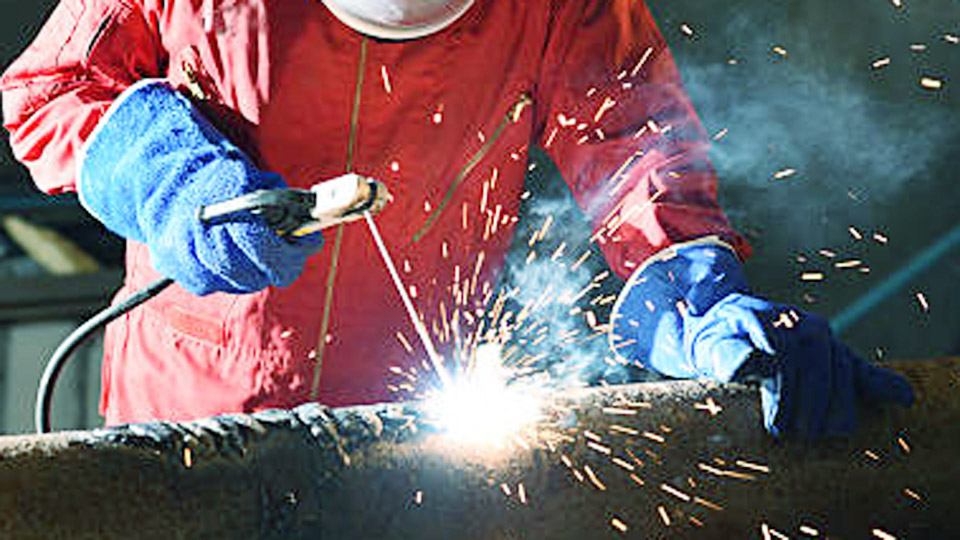
Image by rathiwelding
Understanding Stick Electrode Basics Before You Buy
What the Numbers and Letters Actually Mean
Every mild-steel stick electrode carries an AWS classification that tells you almost everything you need. Take E7018 as an example. The “E” means electrode. The first two digits (70) show minimum tensile strength in thousands of psi—so 70,000 psi.
The third digit tells you welding position: 1 means all positions, 2 is flat and horizontal only. The last digit reveals coating type, current, and penetration characteristics.
This system is your first filter. Match or exceed the base metal’s tensile strength. Using a 60-series rod on higher-strength steel creates a weak link that can fail under load. When a Welding Procedure Specification is in play, the exact classification is listed as an essential variable—you cannot substitute freely.
How Coating Chemistry Changes the Arc
Cellulose coatings (E6010, E6011) dig deep and work well on rusty or painted metal. Rutile coatings (E6013) run smoother with less spatter and are friendlier for beginners on clean sheet. Low-hydrogen iron-powder coatings (E7018) produce strong, clean welds with minimal hydrogen cracking risk but demand dry storage and proper technique.
Why Electrode Diameter Matters as Much as Type
Common diameters in US shops are 3/32″, 1/8″, and 5/32″. Thinner rods suit thinner metal and lower amperage machines. A 1/8″ rod is the everyday workhorse for most 1/4″ to 1/2″ plate. Going too large on thin material blows holes; going too small on thick plate means multiple passes and extra heat input that can distort the job. A WPS will specify the exact diameter range allowed for that procedure.
Matching Electrode to Base Metal and Job Conditions
Start with the Metal You’re Welding
Mild steel is the most common. For clean structural plate, E7018 is often the first choice because of its strength and low hydrogen content. For farm equipment or rusty repair work, E6010 or E6011 digs through contaminants better. Sheet metal and light fab work lean toward E6013 for its soft arc and easy slag removal.
Stainless, cast iron, and hardfacing each have their own electrode families. Never assume a mild-steel rod will work on everything. I’ve seen more than one cracked repair because someone grabbed whatever was open on the bench. On formal jobs the base metal group number in the WPS dictates which electrodes are qualified.
Thickness, Fit-Up, and Joint Design Drive Diameter and Type
Thin material (under 1/8″) needs smaller diameter and lower-penetration rods such as E6013. Thick plate or open-root joints benefit from deep-penetrating rods like E6010 for the root pass, followed by E7018 for fill and cap. Poor fit-up with gaps favors rods that can bridge and penetrate without burning through.
Position Changes Everything
All-position rods (third digit 1) let you weld overhead and vertical without the puddle falling out. Flat-and-horizontal-only rods (third digit 2) such as some high-deposition versions run faster but limit you to the bench.
If you’re climbing a ladder or working under a trailer, stick with all-position electrodes. The WPS lists the qualified positions; exceeding them voids the procedure.
Popular Electrodes and When Each One Shines
E6010 – The Deep-Digging Pipeline Favorite
This high-cellulose rod runs only on DC electrode positive. It produces a forceful arc that cuts through rust, paint, and mill scale. Use it for open-root pipe welds, structural repairs on dirty steel, and any job where you need aggressive penetration.
The arc is diggy and the slag is light, but it takes practice to control. Amperage for 1/8″ runs roughly 70–130 A depending on position and thickness.
E6011 – The AC-Friendly Version of E6010
Almost identical performance to E6010 but works on AC machines common in older farm shops and many 110/220V hobby welders. Same deep penetration and ability to handle contaminated metal. If your machine is AC-only or dual-voltage without strong DC output, this is often the better pick.
E6013 – Beginner-Friendly and Clean-Sheet Specialist
Soft arc, easy strike, all-position capability, and works on AC or DC. Excellent for thin material, general fab, and agricultural repairs where appearance matters more than maximum strength. Spatter is moderate and slag peels cleanly. Great first rod for new welders learning arc control. Typical 1/8″ settings fall around 80–120 A.
E7018 – The Strength and Low-Hydrogen Workhorse
This is the rod you’ll see on structural steel, pressure vessels, and any job that needs high strength with low risk of hydrogen cracking. Iron-powder coating gives high deposition rates and a smooth bead. Must be kept dry—store in a rod oven or sealed container.
Runs best on DC electrode positive, though some versions handle AC. 1/8″ rods usually run 90–150 A. Fill and cap passes after an E6010 root are classic pipeline and structural practice. Many Welding Procedure Specifications list E7018 as the required fill electrode for code work.
Other Useful Options
E7024 is a high-deposition flat-and-horizontal rod that lays down metal fast on thick plate. E7014 offers a balance between E6013 ease and higher strength. Specialty rods for cast iron, stainless, and hardfacing exist for specific repairs—know when you need them rather than forcing a mild-steel rod into the wrong job.
Welding Procedure Specifications and Electrode Selection
What a WPS Actually Is
A Welding Procedure Specification is a written document that spells out exactly how a weld must be made for a given application. It is required under codes such as AWS D1.1 for structural steel, ASME Section IX for pressure vessels and boilers, and many pipeline standards.
The WPS is developed from a Procedure Qualification Record (PQR) that proves the procedure produces sound welds meeting mechanical and soundness requirements.
For the everyday fabricator or farmer, a formal WPS may not exist. For anyone working on bridges, buildings, pressure piping, or inspected work, it is the law of the land. Ignoring it can mean rejected welds, failed inspections, or liability issues.
Essential Variables That Directly Affect Electrode Choice
A typical WPS lists essential variables that cannot be changed without requalification. Key ones tied to electrodes include:
- Electrode classification (exact AWS number such as E7018-H4R)
- Electrode diameter range
- Current type and polarity (AC, DCEP, DCEN)
- Amperage and voltage ranges for each diameter
- Welding position
- Base metal specification or group number
- Preheat and interpass temperature minimums
- Post-weld heat treatment if required
- Joint design and root opening limits
Non-essential variables (travel speed range, technique details) can usually be adjusted within limits. The electrode itself is almost always essential—you cannot swap E6013 for E7018 just because the box is empty.
How to Read a WPS When Selecting Your Rod
Look first for the filler metal section. It will state the AWS classification, any supplemental designators (H4 for low diffusible hydrogen, R for moisture-resistant coating), and the diameter. Next check the electrical characteristics for polarity and amp range.
Confirm the positions listed match the job. Finally verify base metal compatibility and any preheat requirements that go with low-hydrogen electrodes.
If the WPS calls for E7018 and you only have E6013 on the truck, stop. Either obtain the correct rod or have the procedure revised and requalified—something that costs time and money.
When You Must Follow a WPS Versus Shop Preference
Code work, government contracts, insurance-required repairs, and most pressure or structural applications demand strict adherence. General farm repairs, ornamental iron, and non-critical hobby projects give you more freedom. Even then, following the same disciplined approach used in a WPS produces better results. Many shops maintain simple internal procedures that mirror WPS format for consistency.
Step-by-Step Process for Choosing the Right Electrode
Step 1: Identify the Base Metal
Confirm chemistry and tensile strength if possible. Clean a small area and look for stamps or use a material tester when the job is critical. Cross-check against the base metal listed on any applicable WPS.
Step 2: Check for an Existing Welding Procedure Specification
Ask the engineer, quality manager, or customer if a WPS governs the work. If one exists, it becomes your primary guide for electrode type, diameter, and parameters. Do not deviate.
Step 3: Measure Thickness and Assess Joint Fit-Up
Choose diameter that matches thickness and stays inside the WPS range if one applies. Leave enough room for proper penetration without excessive heat on thin sections.
Step 4: Decide Welding Position and Environment
Outdoor windy work favors stick over wire processes. Overhead or vertical work demands all-position rods. Low-hydrogen needs dry storage—plan for that if the job or WPS requires E7018.
Step 5: Match Machine Capability and Electrical Parameters
Older AC-only machines limit you to rods that run on AC. Modern inverter machines give full DC options. Confirm the polarity and amp range match both the electrode and any WPS limits.
Step 6: Consider Final Service Conditions
Impact loading, cold temperatures, or pressure service often call for low-hydrogen electrodes and proper procedure. Appearance-critical work may favor smoother-running rods. Service conditions are usually addressed in the WPS through mechanical testing requirements.
Step 7: Test on Scrap or Follow Qualification Requirements
Never start a critical joint with an untested combination. Run a few beads, check penetration, slag removal, and bead profile. On code work the procedure is already qualified; your job is to stay inside the documented parameters.
Amperage Guidelines and Machine Settings for Common Rods
Amperage is not one-size-fits-all, but solid starting points help. For 1/8″ electrodes on mild steel:
- E6010 / E6011: 70–130 A
- E6013: 80–120 A
- E7018: 90–150 A
Thinner 3/32″ rods drop these ranges by roughly 20–30 A. Thicker 5/32″ rods climb higher. Start in the middle of the range, watch the puddle, and adjust. Too low and the rod sticks; too high and you get excessive spatter and undercut. When a WPS is active, stay inside the published amperage window for that diameter and position.
Polarity matters. Most cellulose rods prefer DCEP. Many rutile rods run on AC or either polarity. Always check the manufacturer’s recommendation and the WPS electrical characteristics section.
Common Mistakes That Waste Time and Rods
Grabbing Whatever Is Handy
The open box of E6013 is not always the right answer for a structural repair. Match the electrode to the requirements, not the inventory. On WPS-controlled work this mistake can fail an audit.
Ignoring Moisture on Low-Hydrogen Rods
E7018 that has sat open for days absorbs moisture and can produce hydrogen cracks. Keep them in a rod oven at the recommended temperature or use sealed packages and bake if needed. Many WPS documents specify maximum exposure time and reconditioning procedures.
Wrong Diameter for Thickness
A 5/32″ rod on 1/8″ plate often leads to burn-through or excessive heat. Match size to material and stay within any qualified range.
Deviating from a Written Procedure
Changing electrode classification, polarity, or amperage outside WPS limits without proper revision and requalification is a common and costly error on inspected jobs.
Forcing an AC Rod on a Weak AC Machine
Some older machines struggle with certain rods. If the arc is unstable, switch to a more forgiving electrode or check your machine’s output—provided the change is allowed.
Skipping Proper Storage and Handling
Damp rods, bent rods, or rods with damaged flux produce porosity and poor arc starts. Treat consumables with respect. Low-hydrogen storage is often an essential part of the procedure.
Practical Tips from the Shop Floor
Keep a small selection of the four main types—E6010 or E6011, E6013, and E7018—in the common diameters. Label boxes clearly and rotate stock. For outdoor work, choose rods that tolerate some contamination.
On critical structural jobs, follow the welding procedure specification if one exists; it will dictate electrode type, diameter, and parameters.
Clean the joint as well as practical. Even deep-penetrating rods perform better on reasonably clean metal. Maintain a short arc length—roughly equal to the electrode diameter—for most rods. Drag angle of 5–15 degrees works for the majority of positions.
When running vertical-up with E7018, use a slight weave or triangle motion and keep the puddle from getting too large. For overhead, keep the arc short and travel a bit faster to prevent dripping. Record the actual parameters you use; they become useful data if a procedure ever needs qualification.
Comparison of Common Mild Steel Electrodes
| Electrode | Tensile Strength | Positions | Polarity | Best Uses | Key Characteristics | Typical WPS Role |
|---|---|---|---|---|---|---|
| E6010 | 60 ksi | All | DCEP | Pipe, dirty steel, deep root | Aggressive arc, deep penetration | Open-root pass |
| E6011 | 60 ksi | All | AC or DCEP | Same as 6010 on AC machines | Similar to 6010, AC capable | Open-root on AC equipment |
| E6013 | 60 ksi | All | AC or DC | Sheet metal, general fab, beginners | Soft arc, easy slag, moderate pen. | Non-critical or light structural |
| E7018 | 70 ksi | All | DCEP (some AC) | Structural, pressure, high strength | Low hydrogen, smooth, high strength | Fill, cap, and full-penetration |
Safety and Storage Considerations
Wear proper PPE every time—helmet, gloves, leather jacket, and safety glasses under the hood. Stick welding produces UV, sparks, and fumes. Good ventilation or a respirator matters, especially with certain coatings.
Store low-hydrogen electrodes in a heated rod oven according to manufacturer guidelines and any WPS requirements. Keep other rods dry and in sealed containers when possible. Damaged flux means discard the rod—don’t risk a bad weld. Exposure time limits for E7018 are commonly listed in procedures and must be respected.
Real Jobs and Real Choices
On a rusty farm trailer frame I reach for E6011 first because it bites through the scale and works on the AC machine in the barn—no WPS required. For a new structural bracket on clean plate that falls under AWS D1.1 I go straight to the electrode listed on the approved WPS, almost always E7018.
Open-root pipe almost always starts with E6010 root and finishes with E7018, exactly as most qualified procedures specify. Thin exhaust patches or ornamental work get E6013 for control and appearance.
These choices come from years of seeing what holds up and what fails. The electrode is not just a consumable—it is half the welding process, and on formal work it is locked in by the procedure.
Wrapping Up
Choosing the right electrode for arc welding is not complicated once you understand the classification system, the job requirements, the limits of your machine, and any governing Welding Procedure Specification.
Match strength, position, penetration needs, storage realities, and written parameters, then test on scrap or stay inside the qualified window. Do that consistently and your welds will be stronger, cleaner, and far less frustrating.
Treat your electrodes and your procedures like the precision tools they are. Keep rods dry, choose deliberately, follow the WPS when one exists, and the arc will reward you with solid metal instead of problems.
FAQ
What is the best electrode for beginners learning arc welding?
E6013 is usually the easiest starting point. It strikes readily, runs smoothly on AC or DC, works in all positions, and is forgiving of imperfect technique on clean mild steel. No formal WPS is needed for practice.
Can I use E7018 on an AC stick welder?
Some E7018 electrodes are formulated for AC, but many prefer DC electrode positive. Check the packaging and any applicable WPS. If your machine is AC-only and struggles, switch to E6011 or E6013 for better results when the procedure allows.
How do I know what diameter electrode to choose?
Match diameter roughly to material thickness. 3/32″ for thinner sheet and light work, 1/8″ for most general plate from about 3/16″ to 1/2″, and 5/32″ or larger for heavier sections. Stay inside the diameter range listed on the WPS when one governs the job.
Why do my E7018 welds crack sometimes?
Moisture in the coating is a common culprit. Store low-hydrogen rods properly in a rod oven and respect exposure limits often specified in the WPS. Also ensure the base metal is clean and you are using correct amperage and technique.
What happens if I change the electrode listed on a Welding Procedure Specification?
Changing the electrode classification is almost always an essential variable. You must revise the WPS and requalify the procedure with new mechanical testing. On inspected work this is not optional—do it correctly or face rejection.