How strong is JB Weld compared to welding? The answer depends on the type of load, the base metal, and the demands of the repair. While JB Weld is a high-strength epoxy capable of bonding many metals, it does not create the same metallurgical fusion as MIG, TIG, or stick welding.
In structural applications, welded joints typically provide greater tensile, shear, and impact strength, making them the preferred choice for load-bearing repairs.
However, JB Weld can perform surprisingly well for non-structural fixes, crack sealing, and certain low-stress components when applied correctly.
Understanding the real-world strength differences helps you choose the right repair method, avoid premature failures, and ensure the finished repair matches the performance your project requires.
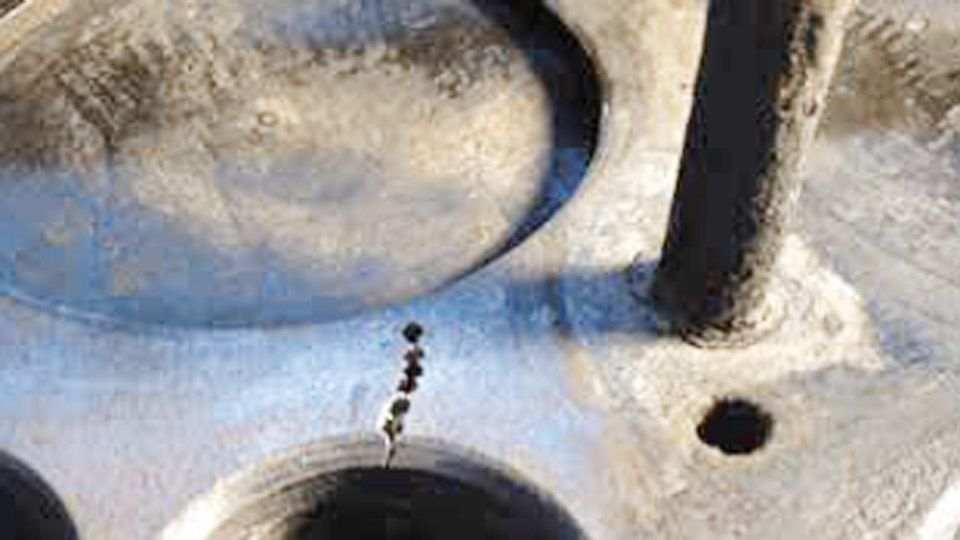
Image by mechanics-mag
Tensile and Shear Numbers That Matter
Official JB Weld Strength Ratings
Original JB Weld lists a tensile strength of 3,960 psi after a full 15–24 hour cure. Some later formulations and the Professional size claim 5,020 psi or 6,220 psi. Adhesion, flexural, and compressive values on the data sheet sit in the same range.
These figures come from ASTM test methods performed on carefully prepared coupons under laboratory conditions. The bond is steel-reinforced epoxy, not metal. Once cured it can be drilled, tapped, and filed, but it remains a polymer matrix.
Typical Weld Metal Strength on Mild Steel
A common ER70S-6 MIG wire or E7018 stick electrode deposits weld metal with a minimum tensile strength of 70,000 psi. Many production welds exceed that. Even a basic E6013 rod still delivers roughly 60,000 psi.
On A36 plate the base metal itself ranges from 58,000 to 80,000 psi tensile, and a properly made weld is designed to match or overmatch that strength. In practical terms a sound fillet or groove weld is fifteen to twenty times stronger in pure tension than the highest-rated JB Weld product.
Why the Gap Is Larger Than the Numbers Suggest
Tensile strength alone does not tell the full story. Weld metal is continuous with the parent metal; the joint has no discrete interface once fusion occurs. JB Weld relies on surface adhesion. Any contamination, incomplete mixing, or insufficient surface area immediately reduces the effective load capacity.
Shear strength of the epoxy is lower still—often cited around 1,000–1,800 psi in lap-shear tests—while a weld carries shear loads close to its tensile rating. Impact toughness and ductility also favor the weld: the epoxy is brittle once fully cured and cracks under sudden shock that a ductile weld metal absorbs.
Load Paths and Joint Geometry Differences
How a Weld Transfers Force
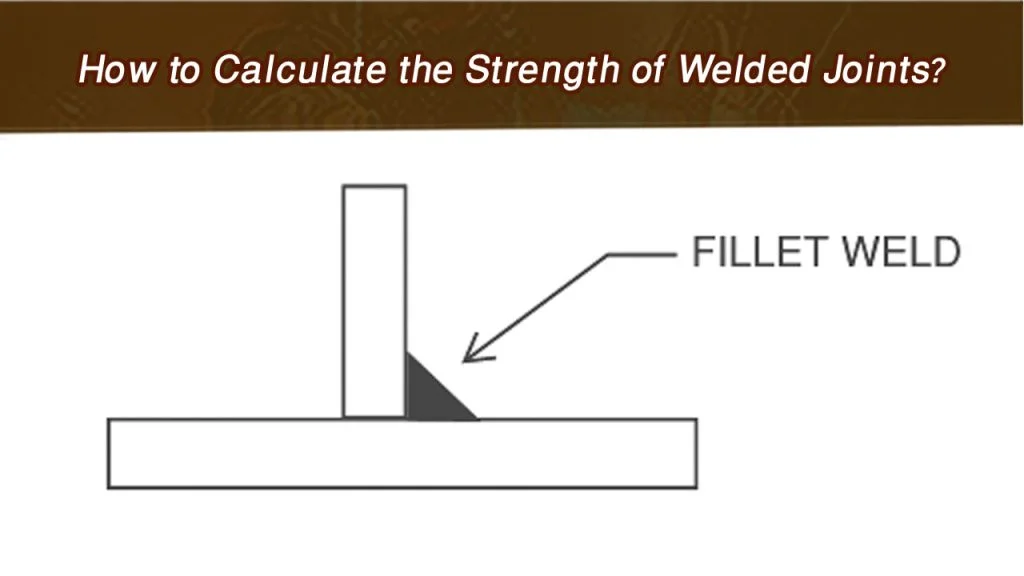
In a welded joint the load path is continuous. Stress flows through the fusion zone and heat-affected zone into the base metal. Fillet welds can be sized by throat thickness; groove welds can be full-penetration.
Design codes (AWS D1.1, for example) give clear allowable stresses based on electrode classification and joint configuration. A ¼-inch fillet weld on both sides of a ½-inch plate can carry thousands of pounds in shear or tension depending on length.
How an Epoxy Bond Transfers Force
JB Weld creates a mechanical and chemical bond only at the prepared surfaces. The effective strength is limited by the bonded area and the quality of that interface. A thick glue line introduces more polymer and reduces strength; a thin, even layer performs better.
Overlapping surfaces increase area and therefore capacity, but the joint still relies on the epoxy’s shear and peel resistance. Peel loads—common on brackets and flanges—are particularly weak for any adhesive.
Real-World Joint Failures Observed
When JB Weld fails under load it typically separates at the interface or fractures through the epoxy itself. Weld failures, when they occur, more often begin at a defect (porosity, undercut, lack of fusion) or in the heat-affected zone if the base metal was improperly prepared or if residual stresses are high.
The failure mode of the epoxy is sudden and complete; a weld usually gives visible warning through deformation or cracking before total separation.
Temperature and Environmental Limits
Continuous and Intermittent Heat Ratings
Original JB Weld is rated for continuous service at 500 °F and intermittent exposure to 600 °F. Above those temperatures the polymer softens and loses strength rapidly. Exhaust systems, engine blocks, and high-pressure steam lines routinely exceed these limits.
A MIG or TIG weld on mild steel remains solid well beyond 1,000 °F; the limiting factor becomes the base metal itself, not the joint.
Chemical and Moisture Resistance
Fully cured JB Weld resists gasoline, many oils, and water immersion for limited periods. Long-term exposure to strong solvents, acids, or continuous high humidity can still degrade the bond.
Welded joints are unaffected by the same fluids unless the base metal itself is attacked. For fuel tanks or hydraulic lines the epoxy can seal a pinhole temporarily, but vibration and pressure cycles eventually open the bond line.
Vibration and Cyclic Loading
Machinery, trailers, and automotive components see constant vibration. Epoxy bonds fatigue under cyclic shear far faster than weld metal. A weld that is properly sized and free of defects can endure millions of cycles; the same geometry filled with JB Weld rarely survives more than a few thousand under comparable stress.
When JB Weld Is a Practical Choice
Non-Structural Cosmetic or Sealing Repairs
Small cracks in non-load-bearing covers, instrument panels, or low-pressure fluid reservoirs can be sealed effectively with JB Weld. The repair needs no heat that would warp thin sheet or damage nearby plastics and wiring. Surface preparation still matters: clean to bare metal, roughen with 80-grit paper, and degrease thoroughly.
Temporary Field Fixes Until Proper Welding Can Be Done
On a job site or roadside a tube of epoxy can keep equipment moving long enough to reach a shop. The key is recognizing the temporary nature of the repair and scheduling the permanent weld before the adhesive is asked to carry design loads.
Dissimilar Materials and Thin Sections
Bonding aluminum to steel, or repairing thin sheet that would burn through under an arc, is sometimes easier with epoxy than with welding. In these cases the strength comparison is secondary to the ability to join materials that are difficult or impossible to weld with common processes.
When Real Welding Is the Only Acceptable Solution
Structural Members and Safety-Critical Parts
Trailer tongues, chassis rails, roll cages, pressure vessels, and lifting points must be welded. Codes and liability requirements leave no room for adhesive substitutes. Even if the calculated load is within the epoxy’s rated capacity, the lack of ductility, heat resistance, and long-term reliability disqualifies it.
High-Temperature or High-Pressure Service
Any component that sees sustained temperatures above 400 °F or internal pressure above a few psi should be welded. Exhaust manifolds, turbo housings, hydraulic cylinders, and boiler tubes fall into this category.
Dynamic and Impact Loads
Parts subject to shock—plows, buckets, suspension links, or impact tools—require the toughness of weld metal. An epoxy joint will crack on the first hard hit that a welded joint shrugs off.
Preparation and Application Differences That Affect Strength
Surface Requirements for Maximum Epoxy Bond
JB Weld demands clean, dry, roughened metal. Oil, paint, rust, or mill scale reduce adhesion dramatically. The mix ratio must be exact; excess hardener or resin leaves a soft or brittle joint. Clamp or support the parts while the epoxy sets; movement during cure introduces voids and weak planes.
Weld Joint Preparation and Technique
A sound weld starts with proper fit-up, correct electrode or wire selection, and adequate penetration. For mild steel a 70-series filler is standard. Joint design (bevel angle, root opening, land) controls the amount of weld metal and therefore the strength.
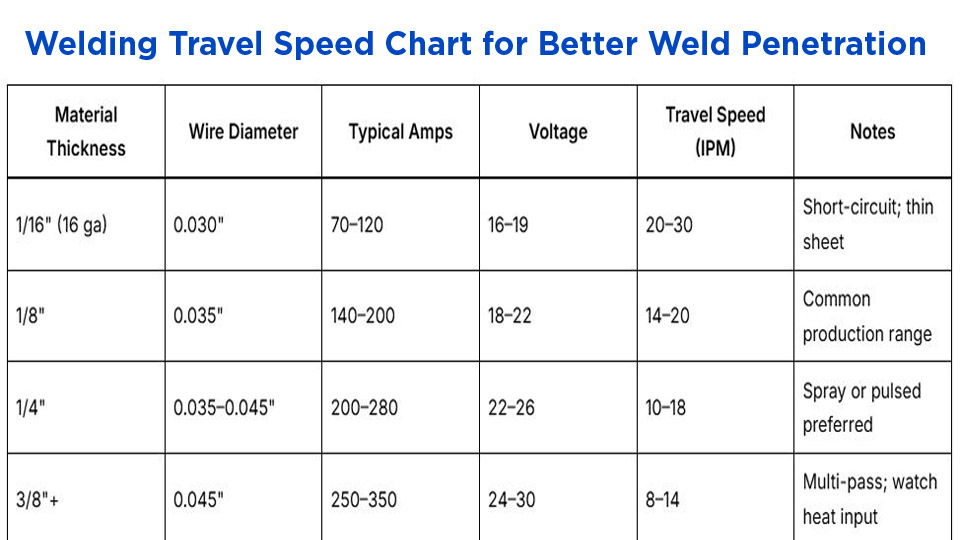
Heat input, travel speed, and interpass temperature affect the heat-affected zone properties. These variables are controllable and documented in welding procedure specifications; epoxy application has fewer variables but also a lower ceiling.
Decision Framework for Choosing Between the Two
Load Calculation First
Estimate the actual force the joint will see in tension, shear, and peel. Compare that force to the bonded area times the epoxy’s shear strength, then apply a safety factor of at least 4–5. If the numbers do not close comfortably, weld.
Service Environment Check
List maximum temperature, chemical exposure, vibration level, and expected life. Any single factor outside the epoxy’s published limits moves the repair to welding.
Skill and Equipment Availability
If a competent welder and suitable process are available, the permanent solution is almost always the weld. When equipment or access is limited, epoxy may be the only immediate option—provided the load and environment allow it.
Wrapping Up
The strength difference between JB Weld and a real weld is decisive: roughly 4,000 psi versus 70,000 psi in tension, with even larger gaps in shear, heat resistance, and fatigue life. Use the epoxy for sealing, light-duty, or temporary work where the numbers and service conditions permit.
For any joint that must carry design loads, survive heat, or meet structural requirements, fusion welding remains the only method that produces a continuous metallic path capable of matching or exceeding the base metal.
The advanced insight is simple—treat JB Weld as a high-performance adhesive, not a substitute for metallurgical fusion, and size every joint accordingly.
FAQs
Is JB Weld Stronger Than a Weld?
No. Official tensile strength for original JB Weld is 3,960 psi. Common mild-steel weld metal exceeds 70,000 psi. The weld is continuous metal; the epoxy is an adhesive interface.
Can JB Weld Hold Under High Heat?
Continuous service is limited to 500 °F. Above that the polymer softens. Most welds remain intact far beyond 1,000 °F.
When Is JB Weld Acceptable Instead of Welding?
Non-structural seals, temporary field repairs, or bonding of dissimilar thin materials where loads stay well below the epoxy’s shear rating and temperatures stay below 400 °F.
Does Surface Prep Affect JB Weld Strength More Than Welding?
Yes. Contamination or poor mixing can drop epoxy bond strength by half or more. A weld still requires clean metal and proper technique, but fusion creates a metallurgical bond that is less sensitive to minor surface films once the arc is established.