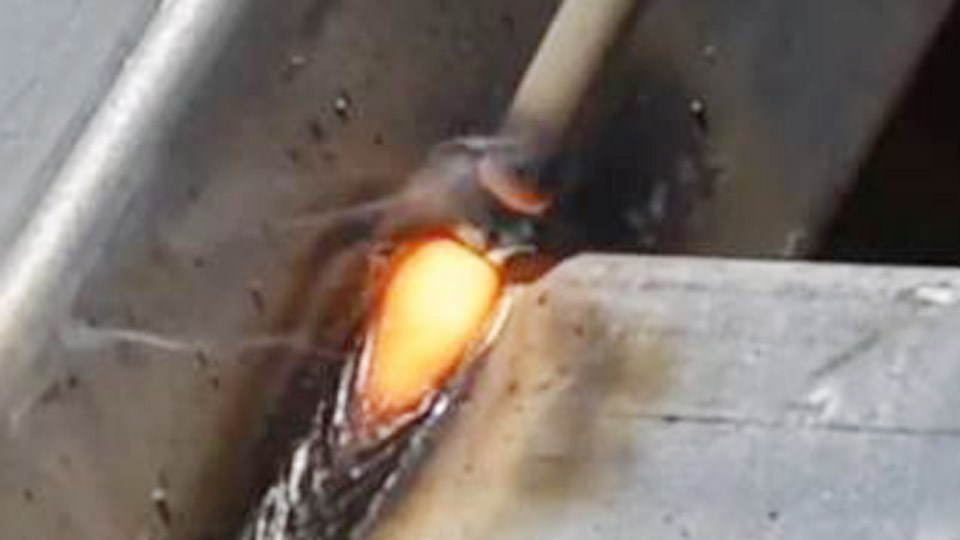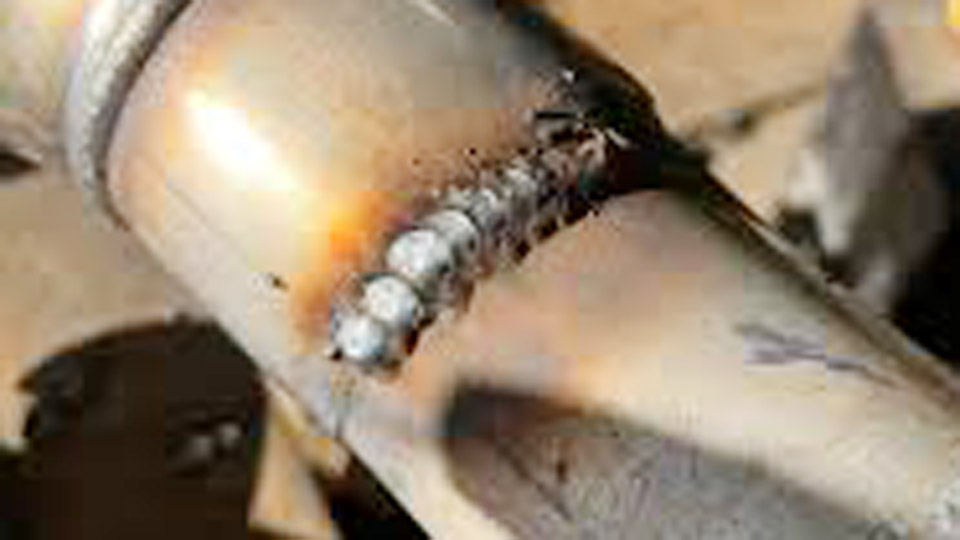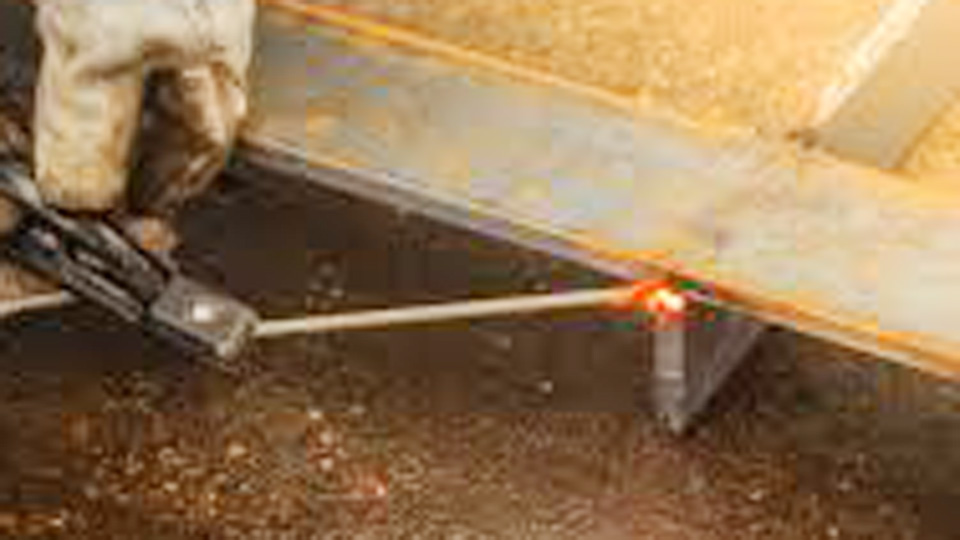
The electrode freezes to the plate the moment it touches, the arc never forms, and the rod starts glowing red while the flux burns away. This is the most common complaint in stick welding, and the question why does my rod stick when arc welding almost always points to insufficient heat at the contact point.
When the current, voltage, or contact conditions cannot generate enough energy to create and sustain a plasma arc, the molten tip of the electrode simply fuses to the cooler base metal. The result is wasted electrodes, interrupted welds, and frustration that slows every project.
Correct diagnosis of amperage, arc length, ground path, electrode condition, and striking method restores reliable starts and steady running arcs on mild steel, structural plate, and pipe.
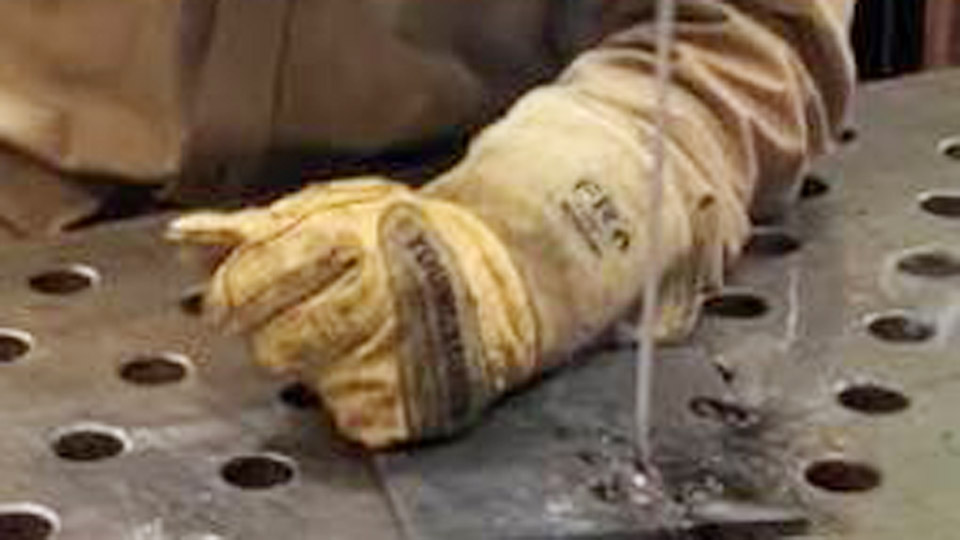
Image by fb/I See You Don’t Know Shit About Welding
Is Low Amperage the Primary Cause of Electrode Freezing?
Insufficient current is the single most frequent reason a stick electrode sticks on contact. The arc requires enough energy to ionize the gap and keep both the electrode tip and base metal molten.
Below the electrode’s operating range the tip melts just enough to wet the surface but lacks the heat to maintain a plasma column, so the metal solidifies around the contact point and locks the rod in place.
How Current Density Controls Arc Initiation
Heat input is the product of current and arc voltage. When amperage drops too low, arc voltage also collapses as the gap shortens, and total power falls below the threshold needed to keep the tip fluid.
Manufacturers publish ranges that already account for typical joint conditions; operating near or below the bottom of those ranges produces frequent sticking, especially on cold plate or at the start of a bead.
Matching Amperage to Common Electrode Diameters
A 3/32-inch (2.4 mm) electrode generally needs 70–110 A depending on type. A 1/8-inch (3.2 mm) rod typically runs 90–160 A, with many operators finding reliable starts in the middle to upper half of the range.
Low-hydrogen electrodes such as E7018 often prefer the higher portion of their listed window because their thicker coatings and lower hydrogen chemistry demand more energy to establish a stable arc.
Raising current in 5–10 A increments while staying inside the manufacturer’s limit usually eliminates sticking without creating undercut or excessive spatter.
Does Arc Length Decide Whether the Rod Sticks or Runs Cleanly?
Arc length is the physical gap between the electrode tip and the weld pool. Too short a gap reduces voltage, collapses the plasma, and allows the tip to touch solid metal. The electrode then freezes exactly as it would under low amperage.
Correct Arc Length Relative to Core Diameter
The practical target is an arc length approximately equal to the diameter of the electrode core wire. For a 1/8-inch rod that means roughly 1/8 inch of clear space once the arc is established.
Holding the rod closer creates a short-circuit condition; the voltage drops, heat falls, and the tip bonds to the plate. Holding it much longer increases voltage, widens the arc, raises spatter, and can extinguish the arc on restart.
Interaction Between Arc Length and Travel Angle
A drag angle of 10–20 degrees from vertical keeps the arc force directed into the joint and helps maintain consistent gap as the electrode burns off. Pushing the electrode or holding it nearly perpendicular increases the chance of the tip contacting the leading edge of the puddle or the base metal, especially on vertical or overhead work where gravity already affects puddle shape.
Why Does the Electrode Stick Even When the Dial Shows Correct Amps?
When amperage appears adequate yet sticking continues, the circuit is usually delivering less power than the dial indicates. Voltage drop anywhere in the path reduces available energy at the arc.
Work-Clamp and Ground-Path Resistance
A loose, corroded, or painted contact point at the work clamp raises resistance and drops voltage under load. The machine may still display the set current, but the actual power reaching the electrode is lower. Clamping directly to clean, bare metal as close as practical to the weld zone restores full voltage and stabilizes the arc start.
Undersized or excessively long leads produce the same effect; the resistance of the cable itself consumes voltage that should appear across the arc.
Electrode Moisture and Coating Condition
Low-hydrogen electrodes such as E7018 absorb atmospheric moisture rapidly once the can is opened. Moisture in the flux creates gas pockets, unstable ionization, and weak arc starts that end in sticking. Damaged or cracked flux coatings produce the same symptoms.
Fresh, dry electrodes stored in a holding oven or sealed container strike and run far more consistently than rods left exposed for hours or days.
How Striking Technique Prevents Instant Freezing on Contact
Even with correct settings, a hesitant or prolonged contact allows the tip to melt and solidify before the arc can form. Two reliable methods exist: scratch start and tap start.
Scratch-Start Motion and Timing
Drag the electrode tip across the plate in a short stroke similar to striking a match, then immediately lift to the correct arc length as the arc ignites. The motion is continuous; any pause while the tip is still touching the metal invites freezing. Once the arc is established, settle into the working arc length and begin travel without hesitation.
Tap-Start Sequence and Common Errors
Touch the tip lightly to the plate and lift straight up the instant the arc appears. The lift must be quick enough that the molten tip does not have time to wet and freeze. Holding pressure against the plate or delaying the lift is the most common operator error that produces sticking even when amperage and ground are correct.
When Machine Characteristics and Polarity Cause Persistent Sticking
Some power sources and polarity combinations make arc initiation more difficult regardless of operator skill.
Open-Circuit Voltage and Hot-Start Functions
Machines with low open-circuit voltage struggle to ionize the gap, especially with larger or low-hydrogen electrodes. Many modern inverters include a hot-start feature that temporarily raises current for a fraction of a second at the beginning of the weld.
Enabling or increasing hot-start percentage (typically 20–50 % above welding current for 0.2–0.5 s) supplies the extra energy needed for a clean start without permanently raising the welding amperage.
Polarity Mismatch Effects
Most common electrodes (E6010, E6011, E7018) perform best on DC electrode positive (DCEP). Running them on DC electrode negative or on AC when the coating is not formulated for AC reduces arc force and stability, increasing the chance of sticking. Confirm the electrode data sheet and set the machine polarity accordingly before blaming technique or amperage.
Decision Framework for Eliminating Rod Sticking on the Job
Begin by verifying the electrode is dry and undamaged, then set amperage near the midpoint or slightly above the manufacturer’s recommended range for the diameter and position. Confirm the work clamp is tight on clean metal and the leads are adequately sized.
Practice a deliberate scratch or tap start that ends with an immediate lift to core-diameter arc length. If sticking persists, raise current another 5–10 A or enable hot start. Only after these electrical and technique factors are confirmed should electrode type or machine capability be questioned.
Persistent freezing on a properly set, well-grounded circuit with dry electrodes usually indicates the machine’s open-circuit voltage or arc-force control is insufficient for the electrode being used.
Wrapping Up
Mastering the relationship between current density, arc gap, and contact timing turns electrode sticking from a recurring interruption into a rare event.
Once the arc starts cleanly and the gap is held constant, the same settings that prevent freezing also produce consistent penetration and bead profile, allowing the welder to focus on joint geometry and travel rather than fighting the rod.
FAQs
Why does my welding rod stick even at the correct amperage?
Check the work-clamp contact, cable size and length, and electrode dryness. Voltage drop or moisture can starve the arc even when the dial reads the right number.
How do I stop a 7018 rod from sticking on start?
Run it in the middle to upper half of its amperage range, keep it dry, use a confident scratch or tap start, and maintain a short arc equal to the core diameter.
What is the best way to unstick a frozen electrode?
Release the electrode from the holder immediately so current stops, then twist or break the rod free once it cools slightly. Leaving current flowing overheats the rod and can damage the holder.
Does arc length affect rod sticking more than amperage?
Both matter. Low amperage prevents the arc from forming; an arc that is too short collapses the voltage and lets the tip freeze even when current is adequate.