Commercial solder paste often dries out after the jar is opened, costs more than needed for small jobs, or is simply unavailable in remote workshops. Knowing how to make solder paste at home solves that by turning ordinary solder wire or bar stock into a usable paste with controlled metal content and flux activity.
The process matters because particle size, metal-to-flux ratio, and oxide control directly determine wetting, fillet formation, and joint strength on copper, brass, or tin-plated surfaces.
Incorrect ratios produce either dry, non-flowing powder or watery mixtures that spatter and leave excess residue.
A properly mixed batch gives consistent results for tinning pads, larger SMD work, jewelry soft-soldering, or plumbing repairs without relying on factory-atomized powder that is difficult to source in small quantities.
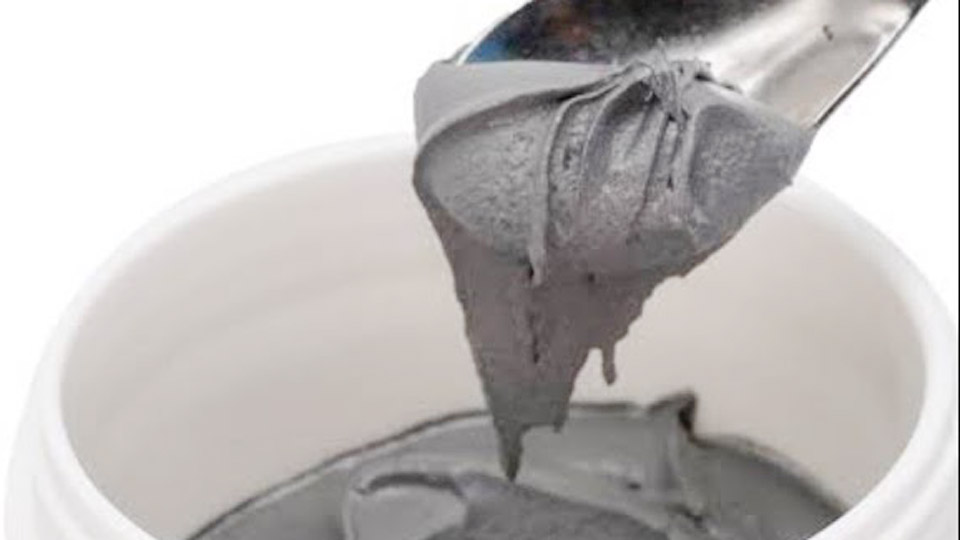
Image by @Blinksiteengineering
Selecting Solder Alloy and Flux for Homemade Paste
The alloy and flux system set the melting range, wetting behavior, and residue characteristics before any powder is produced.
Alloy Choice and Melting Range Impact
Sn63/Pb37 or Sn60/Pb40 eutectic alloys melt cleanly near 183 °C and remain the most forgiving for home production. Lead-free options such as SAC305 (Sn96.5/Ag3.0/Cu0.5) require higher temperatures around 217–220 °C and demand more aggressive flux activation because the powder surface oxidizes faster.
Pure tin or high-tin alloys produce coarser filings that settle quickly. Match the alloy to the base metals being joined; mismatched melting points leave unmelted particles or overheated joints.
Flux Types That Suspend Metal Powder
Rosin-based gel flux provides the necessary thixotropy to hold dense metal particles in suspension. Water-soluble or organic-acid fluxes can be used but leave ionic residues that must be cleaned aggressively.
A simple paste flux made from rosin, a small percentage of vegetable oil or petrolatum, and mild activator works for most home batches. The flux must remain soft at room temperature yet firm enough that the metal does not settle within minutes.
Producing Usable Solder Powder from Wire or Bar
Industrial paste uses gas-atomized spherical particles of controlled size distribution. Home methods produce irregular filings that still function for manual application if particle size stays reasonably uniform.
Melting and Casting a Workable Blank
Melt a small quantity of solder (2–10 g) in a clean steel spoon or ceramic crucible with a propane torch or on a hot plate. Pour or allow the metal to solidify into a flat disc or bar roughly 3–5 mm thick. A flat shape clamps easily and files efficiently. Surface oxide that forms during melting is normal and will be removed later by the flux.
Filing Technique for Consistent Particle Size
Clamp the cast piece in locking pliers and file with a clean, medium-cut flat file over a clean white container. Hand filing produces finer, more uniform particles than high-speed rotary tools, which generate heat and can partially sinter the powder. Aim for particles that pass a coarse kitchen sieve (roughly 100–200 µm).
Coarser flakes reduce printability through stencils but still reflow adequately on larger pads. Collect the powder carefully; lead-bearing alloys generate hazardous dust that requires a respirator and dedicated work area.
Establishing Metal-to-Flux Ratios That Actually Work
Commercial pastes typically contain 85–90 % metal by weight. Home mixtures must stay close to that range or the paste will either starve the joint of metal or flood it with flux residue.
Volume and Weight Starting Points
A practical starting ratio is three parts metal powder to one part rosin gel flux by volume. Because metal is denser, this approximates 80–85 % metal by weight. For higher metal loading, add powder gradually until the mixture reaches a toothpaste consistency that holds a peak when stirred.
Excess flux produces runny paste that spreads under reflow; excess metal creates a dry, crumbly mixture that does not wet properly.
Adjusting Consistency for Application Method
Manual syringe or spatula application tolerates a slightly wetter mix (higher flux). Stencil printing demands higher metal content and tighter particle size control. If the paste strings excessively when lifted, add a few drops of flux thinner (isopropyl alcohol or manufacturer-recommended solvent) and remix.
If it separates after sitting, the vehicle lacks sufficient body; incorporate a small amount of additional thickened rosin paste.
Step-by-Step Mixing Sequence for Stable Paste
Only the mixing stage requires strict sequential execution.
Melt and cast the solder blank as described. File to powder and immediately transfer to a clean, dry mixing container. Add the measured flux gel. Fold the powder into the flux with a stainless spatula or glass rod, working thoroughly so every particle is coated.
Avoid whipping air into the mixture. Once uniform gray paste forms, transfer to a small airtight jar or syringe. Label with alloy type and date.
Test a small quantity on a copper coupon: apply a dab, heat with a soldering iron or hot-air tool until the metal coalesces into a bright fillet. Inspect for complete wetting and minimal residue. Adjust the next batch if the fillet appears dull or the residue is excessive.
Performance Limits of Homemade Versus Commercial Paste
Homemade paste performs adequately for tinning, through-hole work, larger SMD packages (0805 and above), and soft-soldering of jewelry or plumbing fittings. It is unsuitable for fine-pitch QFN or BGA packages because irregular particles and imperfect size distribution prevent reliable stencil printing and increase bridging risk.
Shelf life is shorter—typically days to a few weeks under refrigeration—because the flux vehicle and oxide state change faster than in nitrogen-packaged commercial product. Always re-stir before use and discard any batch that develops hard sediment or shows green corrosion products.
Storage Conditions That Preserve Usable Consistency
Store the finished paste in a small, airtight container with minimal headspace. Refrigeration slows separation and oxidation. Bring the jar to room temperature before opening to prevent moisture condensation.
Do not freeze; ice crystals disrupt the emulsion. For leaded alloys, treat all containers and tools as contaminated and keep them segregated from food-preparation areas.
Decision Framework for When to Make Paste Versus Buy
Produce paste at home when commercial product is unavailable, when only small volumes are needed, or when recycling existing solder stock is required. Buy factory paste for production work, fine-pitch components, or any application governed by IPC or quality standards that specify particle size distribution and flux activity. The home method trades convenience and cost for reduced consistency and higher handling risk.
Homemade solder paste succeeds when the metal loading stays high, the flux remains active, and particle size is kept as uniform as hand filing allows. The critical decision is matching the batch to the joint scale: larger pads and manual application tolerate the limitations of filed powder, while precision electronics demand commercial material.
Advanced users further refine results by sieving the powder to a narrower size band and verifying wetting angle on test coupons before committing to critical assemblies.