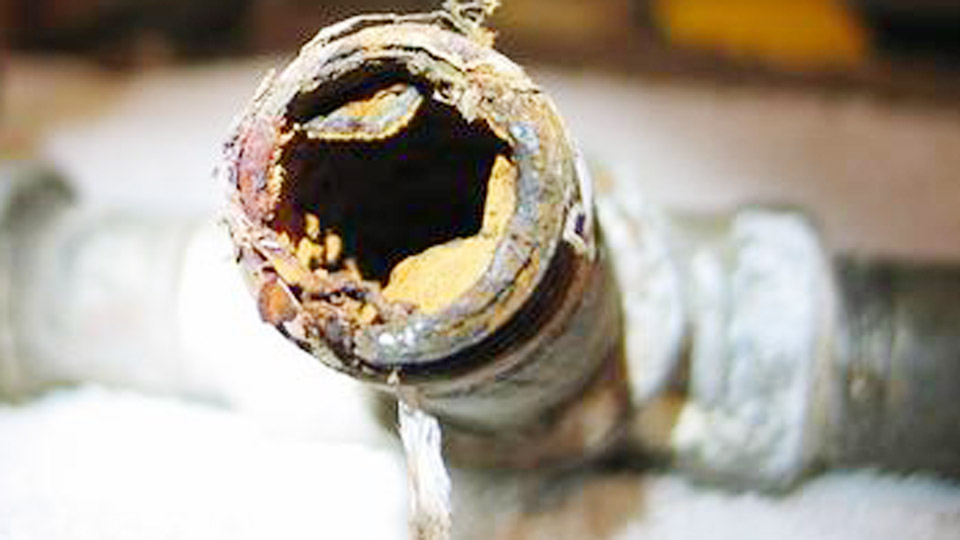
A drilled hole in the wrong location, a rust perforation through a panel, or a removed fastener leave metal with an opening that cannot stay open. Many shops and DIY projects lack welding equipment, face heat-sensitive coatings, or work on materials where welding creates distortion or residual stress.
Knowing how to fill holes in metal without welding determines whether the repair stays cosmetic, becomes load-bearing, or fails under vibration and corrosion.
The correct non-weld method depends on hole diameter, base-metal thickness, structural demand, and access to both sides of the surface. Choosing poorly produces loose patches, recurring leaks, or progressive cracking around the repair zone.
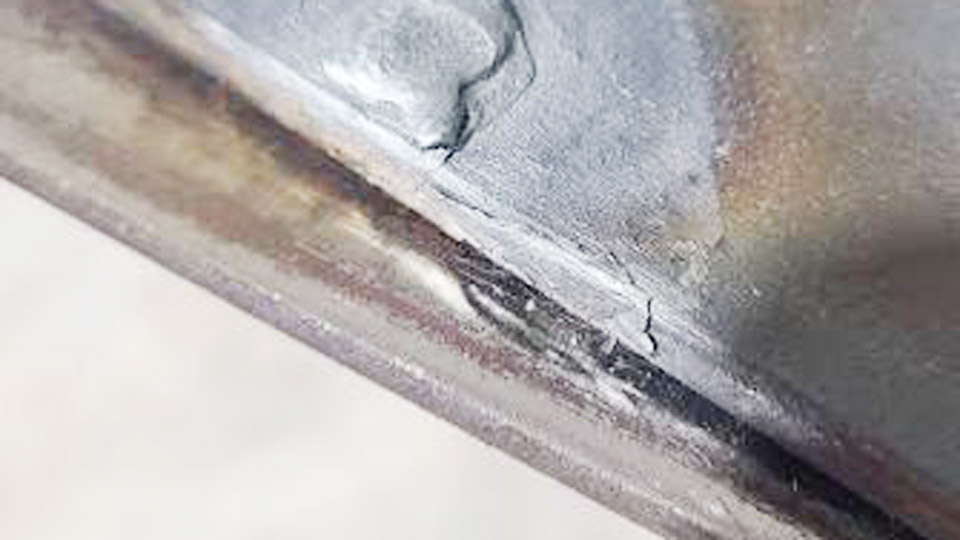
Image by fb/I See You Don’t Know Shit About Welding
Which Repair Method Matches Hole Diameter and Structural Demand
Hole size and required strength dictate the practical options far more than brand preference.
Small Holes Under 1/4 Inch Diameter
Holes from misplaced fasteners, small rust pits, or instrumentation ports respond well to filled epoxies or metal putties. Steel-reinforced two-part epoxies reach tensile strengths in the 3,000–6,000 psi range once fully cured and can be sanded or drilled after set.
These materials bond chemically to cleaned metal and expand or contract little during cure. They suit non-structural or light-duty locations where the surrounding metal carries the primary load.
Medium Holes from 1/4 to 1 Inch
At this size pure filler lacks shear resistance. A mechanical plug, tapered insert, or backed adhesive patch becomes necessary. Freeze-style or expanding plugs driven into a prepared bore provide immediate metal-to-metal contact.
When both sides of the panel are accessible, a matching-thickness metal disc bonded with structural panel adhesive transfers load across a larger area than a simple plug.
Large Openings and Panel Perforations
Openings larger than 1 inch or irregular rust damage require a fabricated patch. The patch must overlap sound metal by at least ½–¾ inch on all sides.
Structural epoxy panel adhesives rated for automotive or industrial use create continuous bonds that resist peel and shear without heat input. Mechanical fasteners (rivets or bolts) can supplement the adhesive when vibration or impact loads are expected.
Surface Preparation Requirements That Determine Bond Strength
Every non-weld repair fails at the interface if oxide, oil, or loose scale remains.
Cleaning and Abrasion Standards
Remove all paint, rust, and mill scale to bright metal using abrasive discs, wire wheels, or chemical rust converters followed by mechanical abrasion. Create a surface profile of roughly 50–75 microns for epoxy and adhesive systems.
Solvent wipe with acetone or isopropyl alcohol immediately before application removes residual oils. Moisture left on the surface reduces bond strength dramatically; work only on dry metal above the dew point.
Edge Conditioning Around the Hole
Deburr both faces of the hole. For adhesive patches, flange or step the edge so the patch sits flush or slightly recessed. For plug methods, true the hole to a consistent diameter so the plug seats without gaps. Sharp edges left after cutting concentrate stress and initiate cracks under cyclic loading.
Epoxy and Metal-Filled Compounds for Non-Structural Fills
Two-part steel-reinforced epoxies remain the fastest route for small, low-load holes.
Mixing and Application Parameters
Mix equal volumes of resin and hardener until color is uniform. Working time typically ranges from 5 to 45 minutes depending on product chemistry. Force material into the hole under pressure so voids are eliminated.
Overfill slightly to allow for any minor shrinkage, then tool the surface flush once the material reaches a leather-hard stage.
Full cure often requires 12–24 hours at room temperature; elevated temperature accelerates the process but must stay within the product limit (commonly 200–500 °F continuous service after cure).
Limitations Under Load and Temperature
These compounds perform poorly under sustained tensile or peel loads and lose strength above their rated temperature. They also remain more brittle than the parent metal. Use them only where the surrounding structure carries the primary forces and the filled zone experiences mainly compressive or low-shear stress.
Structural Panel Adhesives Combined with Metal Patches
Modern two-part epoxy panel adhesives deliver shear strengths high enough for many body and light structural repairs.
Patch Design and Fit
Cut the patch from the same alloy and thickness as the base metal when possible. Overlap sound metal by a minimum of ½ inch. For thin sheet, use a flanging tool to create a recessed ledge so the finished surface requires minimal filler. Both mating surfaces must be abraded and solvent-cleaned.
Adhesive Application and Clamping
Apply adhesive in a continuous bead or thin film according to manufacturer bead size recommendations. Mate the surfaces and clamp or fixture firmly. Many systems reach handling strength in 1–4 hours and full strength in 24 hours.
Excess adhesive that squeezes out can be wiped or later ground. Once cured, the bond line itself often serves as an effective corrosion barrier when edges are sealed.
Mechanical Plugs and Inserts That Avoid Chemistry Entirely
When heat or adhesives are undesirable, pure mechanical solutions provide reliable closure.
Tapered and Expanding Plugs
Drive a slightly oversized tapered plug or commercial freeze-style plug into a cleaned, round hole. The interference fit creates hoop stress that seals the opening. Soft copper or brass plugs conform to minor surface irregularities.
For higher pressure service, expanding mechanical plugs with a central bolt compress a sealing element against the bore wall.
Threaded Inserts and Solid Plugs
Drill and tap the hole, then install a solid threaded plug coated with thread sealant. This method works well on thicker sections where thread engagement of at least 1.5 times diameter is available. For thin sheet the threads lack sufficient purchase and the method is unsuitable.
Riveted or Bolted Backing Plates
When access exists on the reverse side, a backing plate larger than the hole can be clamped or riveted in place. The plate carries shear load while a thin surface filler restores appearance. Solid rivets or structural blind rivets maintain clamp force without relying on adhesive.
Brazing as a Lower-Heat Metallic Fill Option
Brazing deposits metal without melting the base material and therefore falls outside fusion welding.
Suitable Alloys and Heat Control
Silicon-bronze or aluminum-bronze filler rods flow at temperatures well below the melting point of steel. A propane or oxy-fuel torch supplies the heat. The base metal reaches only the brazing temperature range, reducing distortion compared with arc welding.
Clean the hole thoroughly and use appropriate flux to promote wetting. Build the deposit slightly proud, then grind or machine flush.
Strength and Corrosion Considerations
Brazed fills offer higher strength and temperature resistance than most epoxies. Galvanic compatibility must be checked when the filler alloy differs from the parent metal. In outdoor or wet environments a protective coating over the finished repair is still required.
Cold Metal Stitching for Cast Iron and High-Restraint Components
Cast iron cracks and holes respond poorly to welding heat. Cold stitching restores integrity without thermal stress.
Process Sequence
Holes are drilled perpendicular to the defect and converted into interlocking slots. Preformed high-nickel locks are driven into the slots to bridge the opening. Additional pins or screws fill the remaining fracture line and lock the repair.
The completed stitch pattern redistributes load across multiple shear planes. This method is specialized and typically performed by trained technicians on engine blocks, machine bases, and historical castings.
Decision Criteria for Selecting the Final Repair Approach
Evaluate four variables before committing to a method: hole diameter relative to surrounding thickness, expected mechanical load (static, cyclic, impact), environmental exposure (moisture, chemicals, temperature), and access to the reverse side of the panel. Small cosmetic holes on thin sheet favor epoxy or body-filler systems with light mesh backing.
Medium structural holes on thicker sections favor mechanical plugs or adhesive-bonded patches. High-load or high-temperature service moves the choice toward brazing or cold stitching. When the repair must later accept paint or powder coat, surface hardness and sandability of the fill material become secondary selection factors.
Matching the repair system to the actual service conditions produces a durable result without introducing welding heat, distortion, or residual stress.
Advanced practice further improves longevity by sealing the perimeter of every non-weld repair against moisture ingress and by verifying residual thickness around the hole so that the parent metal—not the fill—continues to carry primary structural loads.
Wrapping Up
Can I fill a rust hole in a car panel without welding?
Yes. Cut out the rusted metal to sound edges, prepare a matching steel patch, bond it with structural panel adhesive, then finish with body filler. Access to the reverse side greatly improves strength.
What is the strongest epoxy for filling holes in steel?
Steel-reinforced two-part epoxies rated above 3,000–6,000 psi tensile strength after full cure provide the highest practical values for non-structural and light-duty fills. Always follow the specific product data sheet for surface prep and cure time.
How do I plug a hole in thick plate without welding or epoxy?
Machine or drill the hole true, then install a tapered interference-fit plug or a threaded solid plug with sealant. Expanding mechanical plugs also work when the bore can be cleaned to a consistent diameter.
Is brazing considered welding when filling holes?
No. Brazing melts only the filler alloy and joins by capillary action without melting the base metal. It therefore qualifies as a non-weld metallic repair method and produces less distortion than fusion welding.