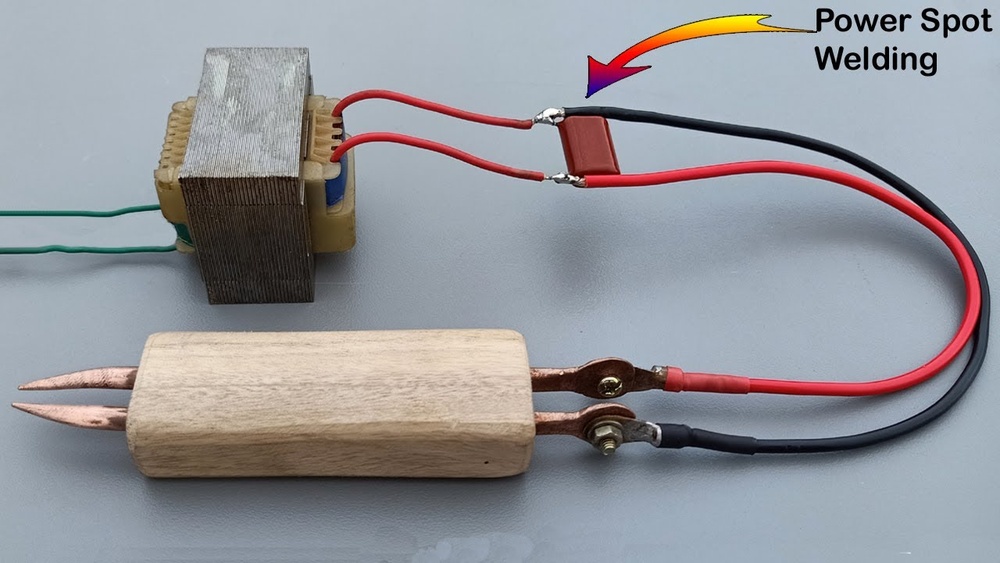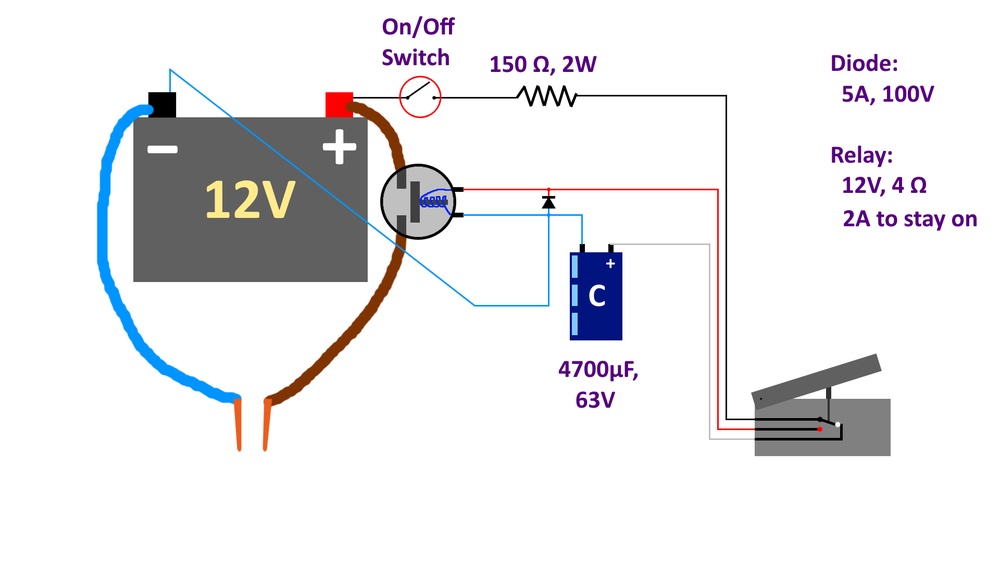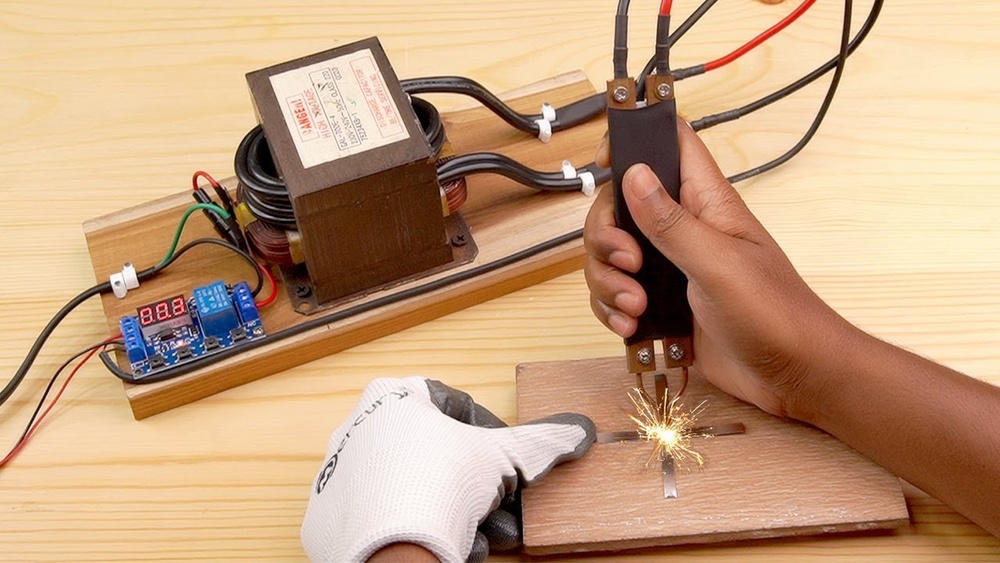
A spot welding machine joins metal by using heat and pressure rather than a continuous arc or filler metal. Understanding how spot welding machine works is important because the quality of each weld depends on precisely controlling electrical current, electrode pressure, and weld time.
When current passes through the metal sheets, electrical resistance generates localized heat at the contact area, causing the material to form a molten weld nugget under pressure.
If the current is too low, the joint may lack sufficient fusion; too much current or excessive weld time can cause burn-through, expulsion, or electrode damage.
This process is widely used for sheet-metal fabrication and automotive bodywork because it produces fast, repeatable joints with minimal distortion. Understanding the machine’s electrical circuit, electrodes, welding sequence, and key settings provides a practical foundation for producing consistent and reliable spot welds.
What Is Spot Welding?
Spot welding is a resistance welding process used to join two or more metal sheets together. It uses pressure and electric current. The machine presses the sheets between two electrodes. Then, it sends a strong electric current through the metal. This heats the metal and melts it at the contact point, creating a weld.
The main keyword here is “spot.” The weld forms at a small area between the electrodes. The process is fast, efficient, and ideal for joining thin sheets of low-carbon steel, although other metals can be spot welded too.
Key Components Of A Spot Welding Machine
A spot welding machine is more than just a device that creates heat. It has several important parts:
Electrodes: These are usually made of copper because copper conducts electricity well and doesn’t melt easily. The electrodes press the metal sheets together and carry current.
Transformer: This part converts high voltage, low current electricity from the power supply into low voltage, high current. High current is needed to generate enough heat for welding.
Control System: Modern machines use digital controls. Older machines may use timers or simple switches. The control system manages current flow, timing, and pressure.
Pressure Mechanism: This can be a pneumatic, hydraulic, or mechanical system. It ensures the electrodes press the sheets together with enough force.
Cooling System: Spot welding creates a lot of heat. Machines use water or air cooling to keep the electrodes and other parts from overheating.
Frame and Arm: The machine’s structure holds everything in place, and the arm moves the electrodes.
Spot welding machines come in different shapes and sizes. Some are handheld “guns,” while others are large and automated for factory use.
The Spot Welding Process: Step By Step
Understanding how a spot welding machine works means knowing the sequence of actions. Here’s a clear step-by-step process:
- Preparation: Clean the metal sheets. Remove rust, paint, or oil. Dirty surfaces make weak welds.
- Positioning: Place the sheets between the electrodes. The machine aligns them carefully for accuracy.
- Pressure Application: The electrodes press together. This ensures good contact and helps prevent air gaps.
- Current Flow: The machine sends a high current through the electrodes. The current passes through the metal sheets at the contact point.
- Heat Generation: Resistance in the metal causes heat. The heat is highest at the contact spot, melting the metal.
- Weld Formation: The melted metal forms a small “nugget” between the sheets. This is the weld spot.
- Cooling: The current stops, but the electrodes stay pressed. The metal cools and solidifies, forming a strong joint.
- Release: The electrodes lift, and the weld is complete.
The entire process takes less than a second in most cases. Timing and pressure are critical. Too much heat can burn through the sheets; too little heat makes a weak weld.
How Electrical Resistance Creates The Weld
Spot welding relies on electrical resistance. When current flows through the metal, resistance at the contact point produces heat. The formula is simple:
Heat = Current² × Resistance × Time
That means more current or higher resistance creates more heat. But the resistance must be just right. If the sheets are too thick or the electrodes don’t press tightly, the heat won’t concentrate at the spot.
Copper electrodes have low resistance, so they don’t heat up much. The metal sheets (like steel) have higher resistance, so the heat happens at their contact point.
Types Of Spot Welding Machines
Spot welding machines aren’t all the same. Here are the most common types:
- Manual Spot Welders: Handheld, portable machines. Used for small jobs or repairs.
- Pedestal Spot Welders: Stand-alone machines with a fixed arm. Operators place the sheets and press a foot pedal.
- Automatic Spot Welders: Used in factories. Robots or automated systems position sheets and control the welds.
- Multi-Head Spot Welders: Machines with several electrodes. Useful for making multiple welds at once.
- Portable Spot Welding Guns: Common in automotive body shops. Lightweight and easy to move around.
Each type has advantages and disadvantages. For example, manual welders are flexible but require skilled operators. Automatic welders are fast and consistent but expensive.
Spot Welding Vs Other Welding Methods
Spot welding isn’t the only way to join metals. Here’s how it compares to other common methods:
| Method | Main Use | Speed | Strength | Cost |
|---|---|---|---|---|
| Spot Welding | Sheet metal | Very fast | Medium | Low |
| MIG Welding | Various metals | Medium | High | Medium |
| TIG Welding | Precision jobs | Slow | Very high | High |
| Arc Welding | Thick metals | Medium | High | Medium |
Spot welding is best for thin sheets and mass production. It’s not suitable for thick materials or where a continuous weld is needed.
Applications Of Spot Welding
Spot welding is used in many industries. Here are some real-world examples:
- Automotive Manufacturing: Most car bodies are made with spot welds. Robots make thousands of welds per car.
- Metal Furniture: Chairs, tables, and cabinets often use spot welds for assembly.
- Electronics: Battery packs and electrical contacts are spot welded.
- Aerospace: Lightweight metal parts are joined with spot welding.
- Home Appliances: Washing machines, dryers, and refrigerators use spot welds in their frames.
A surprising fact: In car manufacturing, a single vehicle can have more than 5,000 spot welds. This shows how important the process is for large-scale production.
Advantages Of Spot Welding
Spot welding has several benefits:
- Speed: Each weld takes less than a second.
- Cost: Machines are affordable, and the process uses less energy.
- Automation: Easy to automate for high-volume production.
- Cleanliness: No filler material or chemicals needed.
- Simplicity: Operators can learn basic spot welding quickly.
For factories, these advantages mean lower costs and faster production.
Limitations And Challenges Of Spot Welding
Spot welding isn’t perfect. Some key limitations are:
- Material Thickness: Only works for thin sheets. Thick materials need different methods.
- Metal Type: Best for low-carbon steel. Aluminum and high-carbon steel are harder to weld.
- Access: Both sides of the sheets must be accessible for the electrodes.
- Weld Quality: Quality can vary if surfaces aren’t clean or if pressure/timing is wrong.
Beginners often miss the importance of cleaning the sheets. Even small amounts of oil or paint can ruin the weld.
Spot Welding Machine Settings And Controls
To make strong welds, operators adjust several settings:
- Welding Current: More current means more heat. Too much can burn the sheets; too little makes weak welds.
- Weld Time: How long the current flows. Usually 0.1–0.5 seconds.
- Electrode Pressure: More pressure makes better contact but can deform the sheets.
- Electrode Shape: Pointed tips focus the current; flat tips spread it.
- Cooling Rate: Fast cooling makes strong welds but can lead to cracks in some metals.
Most modern machines have digital controls. Older machines use manual settings. Experienced operators know how to adjust for different materials and thicknesses.
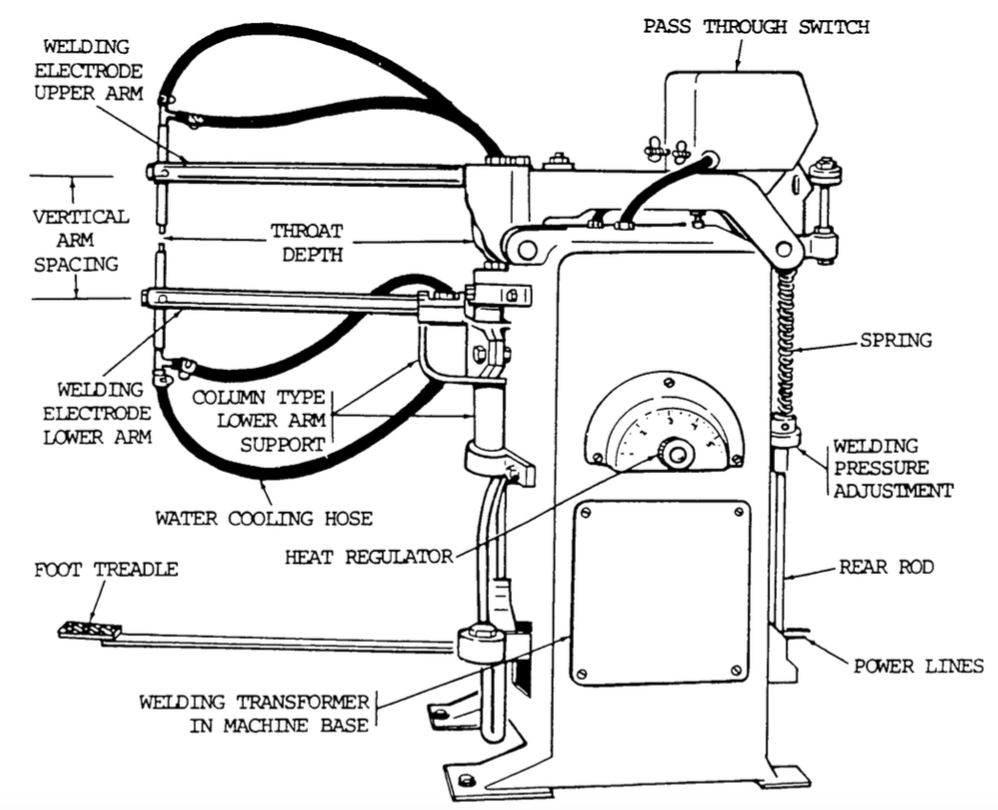
Credit: www.wcwelding.com
Common Mistakes In Spot Welding
Even experienced workers can make mistakes. Here are some common errors:
- Dirty Surfaces: Oil, paint, or rust stops the current and weakens the weld.
- Wrong Pressure: Too much pressure flattens the weld; too little makes poor contact.
- Incorrect Timing: If the weld time is too short, the weld won’t form properly. Too long, and the metal may burn through.
- Worn Electrodes: Electrodes wear out. If they aren’t replaced, weld quality drops.
- Improper Cooling: Not cooling the electrodes can cause them to overheat and melt.
These mistakes can lead to weak joints or damaged materials. Always check machine settings and clean surfaces before welding.
Spot Welding Aluminum And Other Metals
Spot welding works best with low-carbon steel. But what about other metals?
- Aluminum: Harder to spot weld because it has high thermal conductivity and low resistance. Machines need more current and special electrodes.
- Stainless Steel: Can be spot welded, but needs careful control of current and timing.
- Nickel Alloys: Possible, but usually for special applications.
| Metal | Spot Weldability | Special Requirements |
|---|---|---|
| Low-Carbon Steel | Excellent | Standard electrodes |
| Aluminum | Poor | High current, special electrodes |
| Stainless Steel | Good | Careful control |
| Nickel Alloy | Fair | Specific settings |
Beginners often try to spot weld aluminum without changing the settings. This usually fails. Always check the machine’s ability to handle different metals.
Safety Precautions For Spot Welding
Spot welding is safer than some other welding methods, but there are risks:
- Electric Shock: Machines use high current. Always use insulated gloves and check wiring.
- Burns: The weld spot gets very hot. Avoid touching until it cools.
- Fire Risk: Sparks can ignite flammable materials.
- Fumes: Welding can release gases, especially if the metal is coated.
Always wear eye protection, gloves, and protective clothing. Keep the workspace clean and ventilated.
Spot Welding Machine Maintenance
Proper maintenance keeps machines working well:
- Electrode Care: Clean and replace electrodes regularly. Worn electrodes make weak welds.
- Cooling System Check: Make sure water or air cooling works. Overheating damages parts.
- Electrical Inspection: Check wiring and connections. Loose wires can cause shocks or poor performance.
- Lubrication: Moving parts need regular lubrication.
- Control Calibration: Digital controls should be checked and calibrated for accuracy.
A well-maintained machine lasts longer and makes better welds.

Credit: yeswelder.com
Real-world Example: Automotive Factory Spot Welding
Let’s look at a practical example. In a car factory, spot welding robots work on assembly lines. Each robot has a spot welding gun. As car body panels move down the line, the robot positions the gun, applies pressure, and fires a weld.
This happens thousands of times per car.
The robots use sensors to check pressure and alignment. If a weld isn’t perfect, the system can alert operators. This ensures high quality and speed. The factory saves time and labor costs, while making cars that are safe and strong.
Non-obvious Insights For Beginners
- Electrode Shape Matters: Changing electrode tips can make a big difference in weld quality and size. Don’t just use the same tip for every job.
- Cooling Isn’t Just About Safety: Fast cooling can improve weld strength, but too rapid cooling can create cracks, especially in some steels.
- Sheet Overlap Is Critical: The area where sheets overlap affects weld strength. Too little overlap, and the weld may fail.
These details are often missed by new operators but can change the outcome of a project.
Spot Welding Quality Control
Quality control is vital in spot welding:
- Weld Nugget Size: Inspect the diameter of the weld spot. If it’s too small, the joint is weak.
- Tensile Testing: Pull test samples to check strength.
- Visual Inspection: Look for cracks, burn-through, or uneven welds.
Factories use automated systems to monitor and record weld quality. Problems are fixed quickly to avoid production delays.
The Future Of Spot Welding
Technology keeps improving spot welding machines. New digital controls, sensors, and automated systems make the process more reliable. In the future, more robots and smart machines will handle spot welding, reducing human error and increasing production speed.
Research is also helping spot welding work better with aluminum and other difficult metals. For example, new electrode materials and pulse welding techniques are being tested.
You can learn more about resistance welding from the Wikipedia Spot Welding page.

Credit: yeswelder.com
Wrapping Up
Spot welding machines are powerful tools for joining metals. With the right knowledge and careful practice, you can use them safely and effectively. Whether you work in a factory or a small shop, understanding how spot welding works will help you make strong, reliable joints every time.
Frequently Asked Questions
What Metals Can Be Spot Welded?
Most spot welding is done on low-carbon steel. Stainless steel and nickel alloys can also be spot welded with the right settings. Aluminum is possible but difficult; it needs high current and special electrodes.
How Strong Are Spot Welds?
Spot welds are strong enough for sheet metal joints. They’re used in car bodies and metal furniture. The strength depends on weld nugget size, metal type, and machine settings.
Do I Need Special Training To Use A Spot Welding Machine?
Basic spot welding can be learned quickly. But to do high-quality or factory work, you need training on settings, maintenance, and safety. Many companies offer courses.
Can Spot Welding Be Used For Thick Metals?
No, spot welding is best for thin sheets (usually less than 3 mm). For thicker materials, other methods like MIG or arc welding are better.
How Do I Prevent Weak Welds?
Clean the metal sheets, use the right pressure and current, and check electrode condition. Inspect welds regularly and adjust settings as needed.