Welding tables are essential tools in any workshop where metal fabrication takes place. They are more than just flat surfaces; they serve as the foundation for creating strong, accurate welds and making projects easier to handle. But what should welding tables be made of?
The material you choose can impact everything from the quality of your welds to your safety and efficiency. Whether you are a hobbyist, a beginner, or a professional welder, understanding the best materials for welding tables can save you time, money, and trouble.
This article will guide you through the different materials used for welding tables, comparing their strengths and weaknesses. You will learn which materials are best for durability, conductivity, and safety. We will discuss steel, aluminum, cast iron, and other options.
You’ll also find practical tips, common mistakes to avoid, and real-world examples. By the end, you’ll have the knowledge to confidently choose or build a welding table that fits your needs.
Why Material Choice Matters For Welding Tables
The material of a welding table affects several important factors:
- Strength and durability: Welding often involves heavy parts and intense heat. A weak table can bend, warp, or break.
- Electrical conductivity: Proper grounding is critical for safe welding. Some materials conduct electricity better than others.
- Heat resistance: Welding generates high temperatures. The table must not melt, burn, or degrade.
- Surface flatness: Accurate welds require a flat, stable surface. Some materials stay flat longer than others.
- Maintenance and cleaning: Certain metals are easier to clean and resist spatter.
Many beginners overlook these points, but each is crucial for safety and quality. For example, using a wood table may seem convenient, but wood can catch fire and warp under heat. Aluminum tables are lightweight, but they might not handle heavy loads or resist spatter as well as steel.
The Most Common Welding Table Materials
Let’s break down the main materials used for welding tables and examine their properties.
Mild Steel
Mild steel is the most popular material for welding tables. It offers a balance of strength, cost, and workability.
- Strength: Mild steel is strong enough to support heavy workpieces and resist warping.
- Conductivity: It conducts electricity well, which is important for grounding during welding.
- Heat resistance: Steel can withstand the high temperatures generated by welding.
- Cost: Mild steel is affordable and widely available.
- Maintenance: It is easy to clean and resists spatter. However, it can rust if not protected.
Many professional welding tables are made from 3/8-inch to 1/2-inch thick mild steel. This thickness prevents warping and provides a stable surface. Thinner steel may bend under heavy loads.
Stainless Steel
Stainless steel is used for specialized welding tables, especially where corrosion resistance is important.
- Corrosion resistance: Stainless steel does not rust easily, making it ideal for humid environments.
- Surface stability: It stays flat and smooth, which is helpful for precise welding.
- Conductivity: Conducts electricity, though slightly less than mild steel.
- Cost: Stainless steel is more expensive than mild steel.
Stainless steel tables are often used in laboratories, food industry, and medical equipment fabrication. However, because of the high cost, most workshops stick to mild steel unless they need the extra protection.
Aluminum
Aluminum is lightweight and easy to move. Some hobbyists use it for portable welding tables.
- Weight: Aluminum is about one-third the weight of steel.
- Corrosion resistance: It resists rust, but not as well as stainless steel.
- Conductivity: Conducts electricity, but is less suitable for high-amperage welding.
- Heat resistance: Aluminum can warp or melt if exposed to intense heat for long periods.
Aluminum tables are not recommended for heavy-duty welding. They are best for TIG welding with thin materials, where the heat is lower. For most welding processes, steel tables are superior.
Cast Iron
Cast iron is known for its stability and vibration damping.
- Flatness: Cast iron stays flat for years, making it ideal for precision welding and layout.
- Weight: Very heavy, so tables do not move easily.
- Heat resistance: Handles high temperatures well.
- Conductivity: Conducts electricity, but less than steel.
Cast iron tables are rare due to their cost and weight. They are used in specialized shops where accuracy is critical. Beginners rarely need cast iron tables.
Other Materials: Wood, Concrete, Copper
Some beginners consider using wood, concrete, or copper for welding tables. Each has problems:
- Wood: Burns and warps under heat. Dangerous for welding.
- Concrete: Does not conduct electricity. Can crack or chip from welding heat.
- Copper: Excellent conductivity, but expensive and soft. Not practical for most welding tables.
For safety and performance, steel remains the best choice.
Comparing Welding Table Materials
To help visualize the differences, here’s a comparison of the most common welding table materials:
| Material | Strength | Heat Resistance | Conductivity | Corrosion Resistance | Cost |
|---|---|---|---|---|---|
| Mild Steel | High | Excellent | Excellent | Low | Low |
| Stainless Steel | High | Excellent | Good | Excellent | High |
| Aluminum | Medium | Fair | Good | Good | Medium |
| Cast Iron | High | Excellent | Fair | Medium | High |
As you can see, mild steel offers the best balance for most users. Stainless steel is superior in environments needing corrosion resistance, while cast iron is best for precision. Aluminum is only good for lightweight, portable tables.
How Thickness And Surface Treatment Affect Performance
Choosing the right material is just the first step. The thickness of your table and any surface treatment can make a big difference.
Table Thickness
A welding table must be thick enough to resist warping from heat and heavy loads. Most professionals use steel plates that are 3/8-inch to 1/2-inch thick. Thicker plates are more stable and last longer, but they cost more and are heavier.
If you are a hobbyist or only weld small items, you can use thinner steel, such as 1/4-inch. However, avoid going below this thickness, as the table may bend or deform.
Surface Treatment
Welding tables are exposed to spatter, heat, and chemicals. Surface treatments help extend their life:
- Paint: Protects against rust, but can burn off during welding. Not ideal for the tabletop.
- Galvanized coating: Resists rust but may produce toxic fumes if heated.
- Polished finish: Makes cleaning easier, but can be slippery.
- Oil or wax: Some welders apply a light oil to prevent rust. Wipe off before welding.
Many experts recommend leaving the tabletop bare or using a light oil. Avoid coatings that can produce toxic fumes.
Weldability And Grounding: Why Steel Wins
Welding tables play a key role in grounding. Good grounding ensures safety and quality. Steel is excellent for this because:
- It conducts electricity well, allowing the welding machine to ground through the table.
- It does not produce toxic fumes during welding.
- It can handle repeated welding without degrading.
Some beginners make the mistake of using coated or painted tables, which block grounding. Always ensure your table has a bare steel surface for grounding.
Surface Flatness And Accuracy
A flat surface is critical for accurate welds. Warped or uneven tables cause parts to shift, leading to bad welds and wasted materials.
- Steel: Stays flat with proper thickness.
- Cast iron: Maintains flatness longer but is expensive.
- Aluminum: May bend under heavy loads.
If you need high precision, consider using a machined steel plate or cast iron. For general welding, thick mild steel works well.
Practical Tips For Building Or Buying A Welding Table
Here are some practical tips for choosing or building a welding table:
- Choose steel: Mild steel is best for most users.
- Pick the right thickness: At least 3/8-inch for heavy work, 1/4-inch for light work.
- Keep the surface bare: Avoid paint and coatings that interfere with grounding.
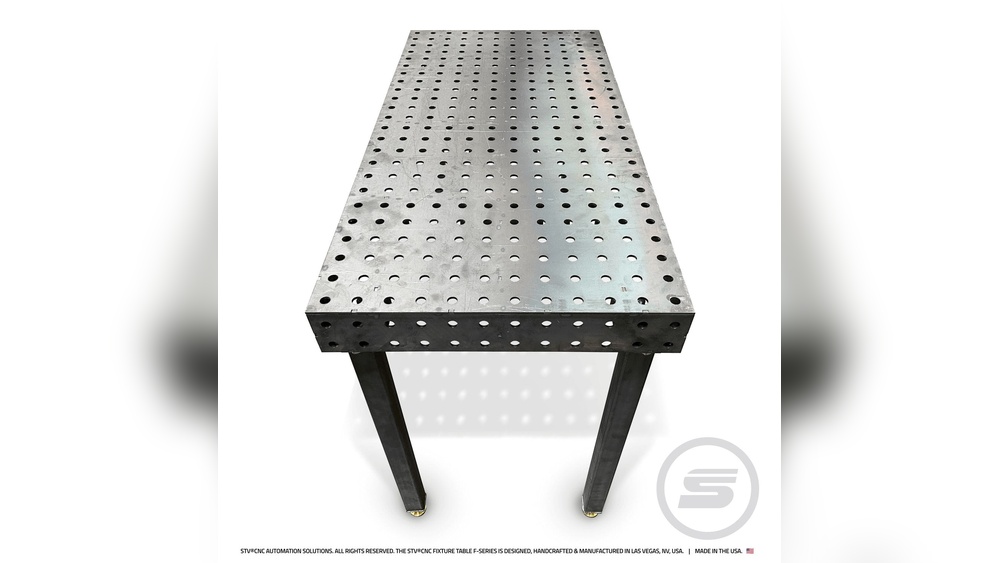
- Add holes or slots: These help with clamping and jig setup.
- Use sturdy legs: Your table should not wobble or move.
- Consider mobility: Add casters if you need to move the table.
- Think about accessories: Some tables have built-in clamps, rails, or tool storage.
Many beginners ignore flatness. Use a straightedge to check your table, especially after welding heavy parts.
Real-world Examples
Let’s look at two examples: one from a professional workshop, and one from a hobbyist’s garage.
Professional Workshop
A fabrication shop uses a steel table made from 1/2-inch thick mild steel. The surface is machined flat, and the table has threaded holes for clamps. The legs are made from heavy steel tubing, and the table weighs over 600 pounds. Workers weld everything from small brackets to large frames. The table’s flatness and strength allow precise work.
Hobbyist Garage
A hobbyist uses a DIY steel table made from 1/4-inch thick steel plate. The legs are simple steel angle iron, and the table is smaller (2 feet by 4 feet). The surface is bare steel, wiped with oil to prevent rust. The table is light enough to move. The hobbyist mainly welds small parts and repairs tools.
Both tables use mild steel, but the thickness and features differ based on needs.

Credit: www.thefabricator.com
Common Mistakes When Choosing Welding Table Material
Avoid these mistakes:
- Using wood: Dangerous, can catch fire.
- Picking thin steel: Warps and bends easily.
- Choosing painted surfaces: Blocks grounding and burns off.
- Using aluminum for heavy work: May deform.
- Ignoring flatness: Leads to poor welds.
Many beginners are tempted by cheap solutions, but investing in the right material pays off in safety and performance.
Specialized Welding Tables: When To Consider Alternatives
While steel is best for most users, some projects require specialized tables:
- Stainless steel: Use for food-grade or medical welding.
- Cast iron: Use for precision layout or measuring.
- Aluminum: Use for lightweight, portable tables and TIG welding.
If your work involves these special requirements, consider the alternative materials. Otherwise, mild steel is the best choice.
Data On Welding Table Usage And Preferences
According to a survey by the American Welding Society, over 75% of professional welders use mild steel tables. Stainless steel and cast iron are used by less than 10%. Aluminum tables are mostly found in hobby shops.
Another study found that tables thicker than 3/8-inch lasted 30% longer than thinner tables. Flatness and grounding issues were the most common problems with DIY tables.
| Material | Percentage Used (Professional Shops) | Average Lifespan (Years) |
|---|---|---|
| Mild Steel | 75% | 10+ |
| Stainless Steel | 8% | 15+ |
| Cast Iron | 7% | 20+ |
| Aluminum | 5% | 5-7 |
This data shows why mild steel is the top choice for welding tables.
Environmental And Health Considerations
Safety goes beyond just the welding process. The table material can affect your health and the environment.
- Steel: Safe if kept bare. Painted or coated steel may produce fumes.
- Galvanized steel: Can release zinc fumes during welding, which are toxic.
- Aluminum: Generally safe, but avoid welding on painted or anodized surfaces.
- Wood and concrete: Unsafe for welding due to fire and cracking hazards.
Final Thoughts
A welding table is a key investment for any metal worker. Choosing the right material—usually mild steel—will give you a flat, strong, and safe foundation for your projects.
Remember to consider thickness, surface treatment, and grounding. Avoid common mistakes like using wood or thin metal. With the right table, you’ll enjoy better welds, safer work, and longer-lasting equipment.
Frequently Asked Questions
What Is The Best Material For A Welding Table?
The best material for most welding tables is mild steel. It offers strength, durability, electrical conductivity, and heat resistance. Stainless steel and cast iron are options for specialized needs, but mild steel is suitable for most workshops.
How Thick Should A Welding Table Be?
For heavy-duty welding, use a steel plate at least 3/8-inch thick. For lighter work or hobby welding, 1/4-inch steel is acceptable. Thicker plates resist warping and provide a stable surface.
Can I Use Wood For A Welding Table?
No, wood is not safe for welding tables. It can catch fire, warp, and does not conduct electricity. Always use metal, preferably steel, for safety and performance.
Is Aluminum A Good Choice For Welding Tables?
Aluminum is not recommended for most welding tables. It is lightweight but may warp under heat and heavy loads. It is best for portable, light-duty tables and TIG welding.
How Do I Prevent Rust On My Steel Welding Table?
To prevent rust, wipe the surface with light oil after use. Store the table in a dry area. Avoid paint or coatings that can interfere with grounding. Regular cleaning helps keep the table in good condition.